Sheikh Bahaei, architect of light and mirror
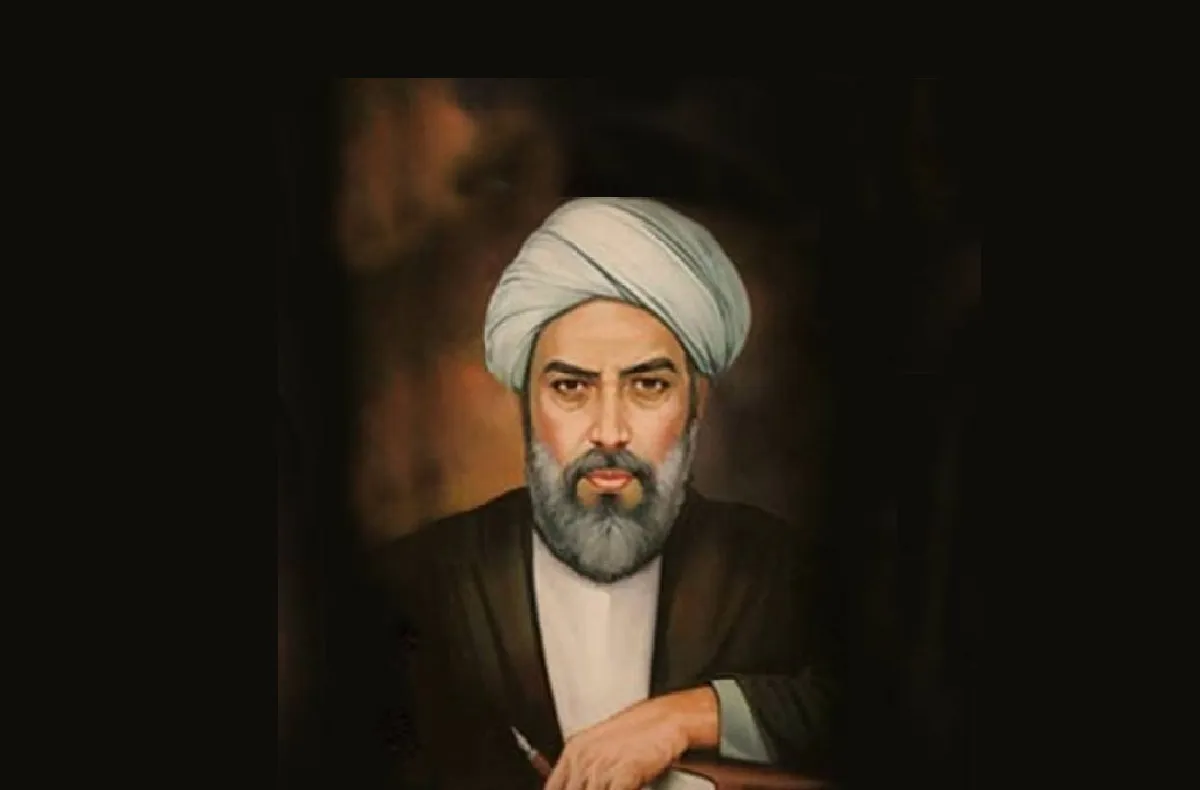
Sheikh Baha-al-Din Muhammad al-Amili, publicly known as Sheikh Bahaei, has engineered not just stone and clay but “spirit of space” in Imam Reza Shrine, demonstrating that Islamic architecture is not merely about building walls; it is about building a bridge between earth and heaven.
Sheikh Bahaei’s connection to Astan Qods Razavi is a tale of knowledge migration toward vilayat. When Safavid dynasty sought to consolidate Shia identity and develop religious centers, Sheikh Bahaei came to Mashhad carrying a wealth of the Islamic world's contemporary sciences — from astronomy and mathematics to jurisprudence and philosophy. His presence in the political and religious establishment of that era was a turning point in the architectural history of the holy shrine. The Sheikh believed that "house of God" is a manifestation of divine order; therefore, every design he put on paper had calculations of spiritual aesthetics before anything.
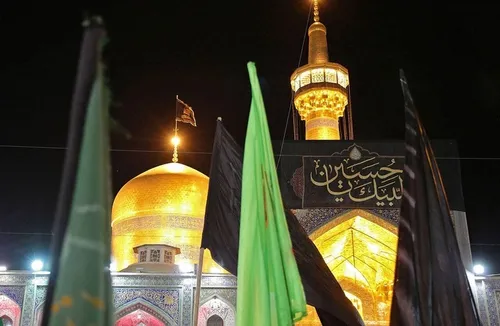
What we see today in Allahverdi Khan Dome, the soaring minarets, and the vast prayer halls of the shrine is not just the craft of builders; Sheikh Bahaei's engineering signature can be seen in many of these renovations and expansions. Historical accounts and documents in Astan Qods Razavi attest that Sheikh Bahaei used his advanced knowledge of statics and optics in rebuilding and expanding parts of the shrine.
How did he tame the light? Through precise design of windows and dome chambers, he directed light in a way that the interior parts of the shrine would be bathed in a gentle, soul-soothing radiance at specific times of the day.
Sheikh Bahaei's most beautiful structure was not made of stone and brick; it was the choice of his eternal resting place. Sheikh Bahaei bequeathed that his body be buried in the shrine of Imam Reza (AS). Today, his grave lies in one of the chambers leading to Azadi Courtyard, beneath the shade of the golden dome. He rests here, but his works remain awake and thousands of people pass beneath the shadow of his wisdom every day.
Remembering Sheikh Bahaei within the context of Imam Reza Shrine carries an important message for today's architects: authentic architecture places "human being" at its center. Sheikh Bahaei created a space where no pillar blocks view of the dome, no wall obstructs the breeze of spirituality, and no harsh light harms the pilgrim”.
He used windcatchers for natural ventilation of the prayer halls and employed local materials to resist potential earthquakes. This means sustainable architecture came to life in Sheikh Bahaei's hands centuries before it became a modern term.
Imam Reza Shrine is not merely a historical monument; it is a living university teaching lessons of "commitment," "knowledge," and "art." Every delicate tile, every beautiful inscription, and every turquoise dome proclaims that Iranian-Islamic art is not art to be imprisoned in museums; it is a type of art that flows in the service of people's lives and spirituality.
Sheikh Bahaei is gone, but his silent words remain in the walls of the shrine. He taught us that one can be an engineer and a mystic; one can be a calculator and a lover. And how beautiful that the tomb of this great architect lies where he himself, with the hands of his thought, doubled its glory.
By Hossein Zavarzadeh
Sources:
1. Astan Qods Razavi, Deputy Office for Islamic Studies, "History of Development and Construction of Razavi Holy Shrine during the Safavid Era," Astan Qods Razavi Publications, 2023.
2. Honarfar, Lotfollah, "Treasure of Mashhad's Historical Monuments," Volume 2: Architecture and Buildings, Toos Publications, 2020.
3. Sheibani, Ahmad, "Sheikh Bahaei and His Role in Iranian Islamic Architecture," Journal of Art and Architecture, No. 45, 2022, pp. 12-28.
4. Khorasan Razavi Cultural Heritage, Handicrafts and Tourism Organization, "Technical Report on the Structural Assessment of the Allahverdi Khan Dome and Attribution of Renovation Plans to Sheikh Bahaei," 2024.
5. Majlisi, Mohammad Baqer (Allameh Majlisi), "Bihar al-Anwar," Volume 102, Chapter on the Virtues of Sheikh Bahaei, Al-Islamiyya Publishing, Beirut.
6. Pakzad, Farhad, "Theoretical Foundations and the Architectural Design Process," Shahidi Publications, 2019 (section on traditional architecture analysis and lighting).
7. Central Archive of Astan Qods Razavi, documents of endowments and decrees of Shah Abbas I regarding Sheikh Bahaei's participation in holy shrine's construction projects.
8. Razavi, Seyyed Mohammad, "Symbolism of Light in the Architecture of Shia Imam Shrines" PhD dissertation in Architecture, Ferdowsi University of Mashhad, 2021.
Related News
Post comments
- Editor's suggestion
- Latest news
IRIU, Ministry of Foreign Affairs forge scientific diplomacy ties
Future diplomats tour Imam Reza Shrine
Iraqi students visit Imam Reza Shrine
Razavi University, al-Mustafa International University launch joint cooperation center
Malek Museum unveils exhibition on devotion to Prophet Muhammad
Khorasan Razavi MPs support AQR development plans for Imam Reza Shrine
AQR research deputies strengthen international synergy
Darvazeh Bathhouse reflects Safavid-era history in Mashhad: Expert
Sunni influencer recalls shattered stereotypes during visit to Imam Reza Shrine
International Islamic Unity Conference continues strategic vision of Iran’s leaders
Iran is a unique model of peaceful coexistence: Muslim activist
Imam Reza Shrine plays pivotal role in Islamic unity: Bahraini scholar
40th Islamic Unity Conference concludes in Mashhad
40th Islamic Unity Conference concludes in Mashhad
Imam Reza Shrine adorned for birth anniv. of Prophet, Imam Sadiq
Arab pilgrims honor birth anniv. of Prophet, Imam Sadiq
Afghan collector donates rare stamps to AQR
Imam Reza Intl. University, Razavi University expand international cooperation
AQR Custodian meets martyr Larijani's family members
Intl. landscape design and memorial space competition for Shajareh Tayyebeh School martyrs' cemetery
Dust-cleaning ceremony held at Imam Reza Shrine
Campaigns