Top elite students, top national exam scorers honored at Imam Reza Shrine
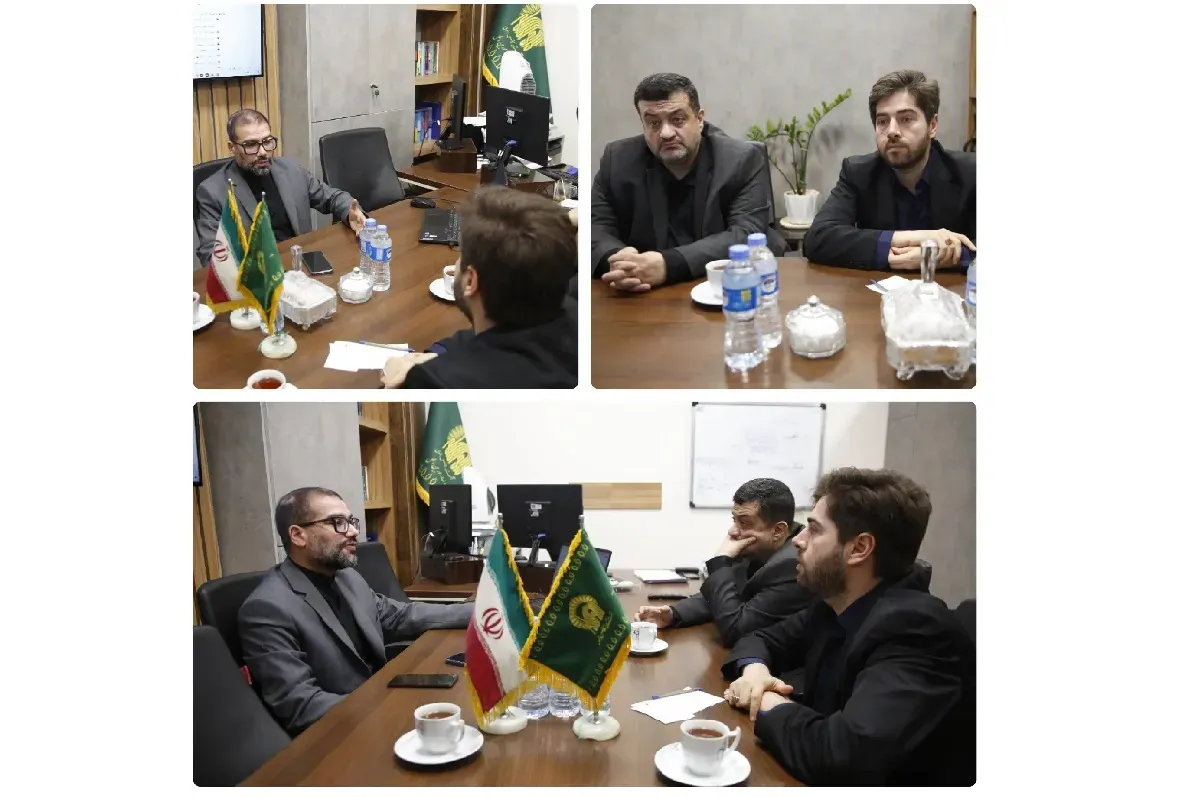
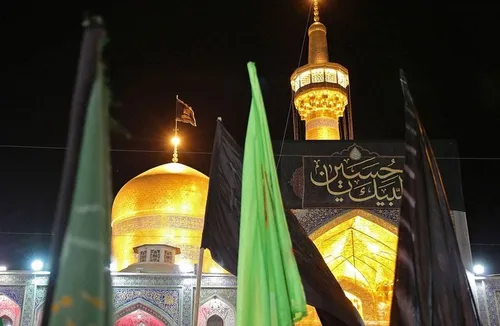
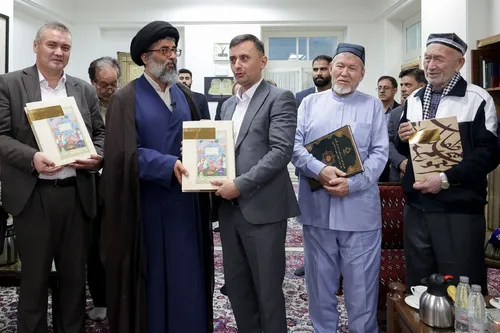
Sixty elite students, including international science Olympiad medalists and top national university entrance exam scorers, have been honored in a special ceremony at the Imam Reza Shrine in Mashhad, northeast Iran.
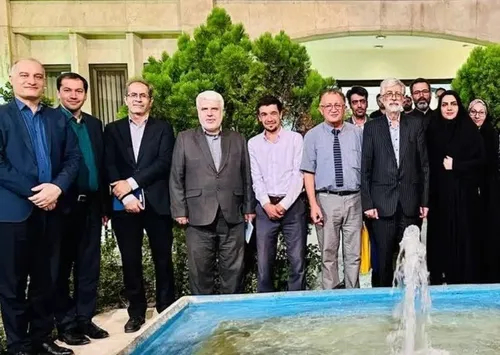
The ceremony took place at the holy mausoleum with the Custodian of Astan Qods Razavi (AQR), Ayat. Ahmad Marvi, and prominent cultural figure Gholam-Ali Haddad-Adel in attendance.
Twenty-eight top national university entrance exam scorers and thirty-two international science Olympiad medalists received awards during the event.
Iranian students achieved remarkable milestones in international academic competitions throughout 2026.
The head of Iran’s Young Scholars Club announced that Iran's total gold medals in global and international science Olympiads reached eighteen this year, compared to eleven in the previous year.
The Iranian national astronomy and astrophysics Olympiad team secured championship status for the third consecutive year by winning five gold medals in the 2026 competitions.
In the international geography Olympiad, Helia Khodabandehlu earned a bronze medal, while the Iranian team also clinched first place globally in the poster competition focusing on Lake Urmia.
Ayat. Marvi congratulated the elite students on their academic achievements. He urged them to acknowledge their academic success as a divine blessing, appreciate the spiritual dignity of Imam Reza Shrine, and harness their scientific capabilities for national advancement.
The top official noted: "Human success stems from a combination of intelligence, individual effort, supportive parents, a suitable home study environment, and dedicated teachers; therefore, recognize this great blessing from Almighty God and remain grateful."
The AQR Custodian added that many individuals aspire to achieve academic success but lack proper talent, facilities, or supportive family environments.
He emphasized that since personal endeavor is only one contributing factor, students must attribute their progress and honors to divine grace.
Elsewhere, Gholam-Ali Haddad-Adel, founder of Iran's science Olympiads, congratulated the honorees and their families while reviewing the history of academic Olympiads in Iran.
He stated that the initial steps for Iranian student participation in these competitions began in 1965, with various academic disciplines gradually joining the path.
He maintained: "The success of Iranian students in international contests demonstrates the country's scientific potential, and grounds must be further provided to identify and nurture these talents."
Haddad-Adel stressed that knowledge devoid of ethics and faith can transform into a dangerous tool. He urged the elite to combine learning with responsibility, religious devotion, and public service.
Furthermore, he proposed the establishment of a specialized university dedicated to science Olympiad laureates so they can continue their studies and academic activities in a specialized environment.
Also, Dr. Mohammad-Hossein Motalebi highlighted the necessity of extending the spiritual experience of pilgrimage into the daily lives of the academic community.
He suggested creating mechanisms for professors, researchers, and scientific activists to pursue research activities and mentor young talents with the intention of serving Imam Reza.
He also pointed to collaborative capacities between AQR and the Young Scholars Club to support education and prepare scientific teams.
Helia Khodabandehlu, the bronze medalist of the international geography Olympiad, stated that participating in international events offers an opportunity to present Iran's capacities and realities to other nations. She underscored the necessity of expanding nationwide student access to educational resources and Olympiad preparation opportunities.
Zahra Gholizadeh, who secured seventh place in the humanities branch of the national university entrance exam, spoke about the role of seeking intercession from Imam Reza in her academic path.
She noted: “Achieving academic ranks is not an ultimate goal, and the value of such success increases when directed toward community service”.
Hossein Masoumi, a holder of two gold medals from the international astronomy and astrophysics Olympiad, stressed the importance of continuous spiritual support for students during preparation stages.
He called for greater attention toward domestic competition medalists who lack opportunities to enter global stages.
Related News
Post comments
- Editor's suggestion
- Latest news
Imam Reza Shrine holds mourning ceremonies to mark martyrdom anniversary of Hazrat Fatima
University of Qom hosts meeting to review preparations for specialized session of Imam Reza International Congress
Razavi manuscript treasury keeps Quran attributed to Imam Hussein (AS)
AQR Custodian urges elite youth to link science with divine gratitude
Top elite students, top national exam scorers honored at Imam Reza Shrine
Top exam scorers and science Olympiad medalists meet AQR Custodian
Top national exam stars, academic elites visited Imam Reza Shrine
Iran and Iraq form a united front against aggression, Iraqi organizer says
Ceremony honors Hussaini Mukibs at Imam Reza Shrine
Love for Ahl al-Bayt is an unbreakable bond between Iranian and Iraqi nations: Custodian
Imam Reza Shrine hosts ceremony honoring Iraqi Mukib operators
Iraqi Mukib operators voice brotherhood at Imam Reza Shrine
Festive atmosphere engulfs Imam Reza Shrine on Hazrat Zeinab’s birth anniversay
Imam Reza Shrine marks Hazrat Zeinab’s birth anniversary
Intl. architects unite to heal grief over Minab school martyrs
Requirements for Imam Reza International Congress assembly reviewed at Qom University
Engineering, maintenance, and restoration projects enhance pilgrim comfort at Imam Reza Shrine
Two Razavi servants from Markazi Province named among the world’s top 2% of scientists
Imam Reza Shrine’s English-speaking mourning group promotes the teachings of the Ahl al-Bayt (AS)
Tribes play key role in protecting national security, territorial integrity, economy: AQR Custodian
Deputy minister of cultural heritage, tourism and handicrafts visits AQR Central Library
Campaigns