Islamic Research Foundation recreates Sheikh Saduq magnum opus
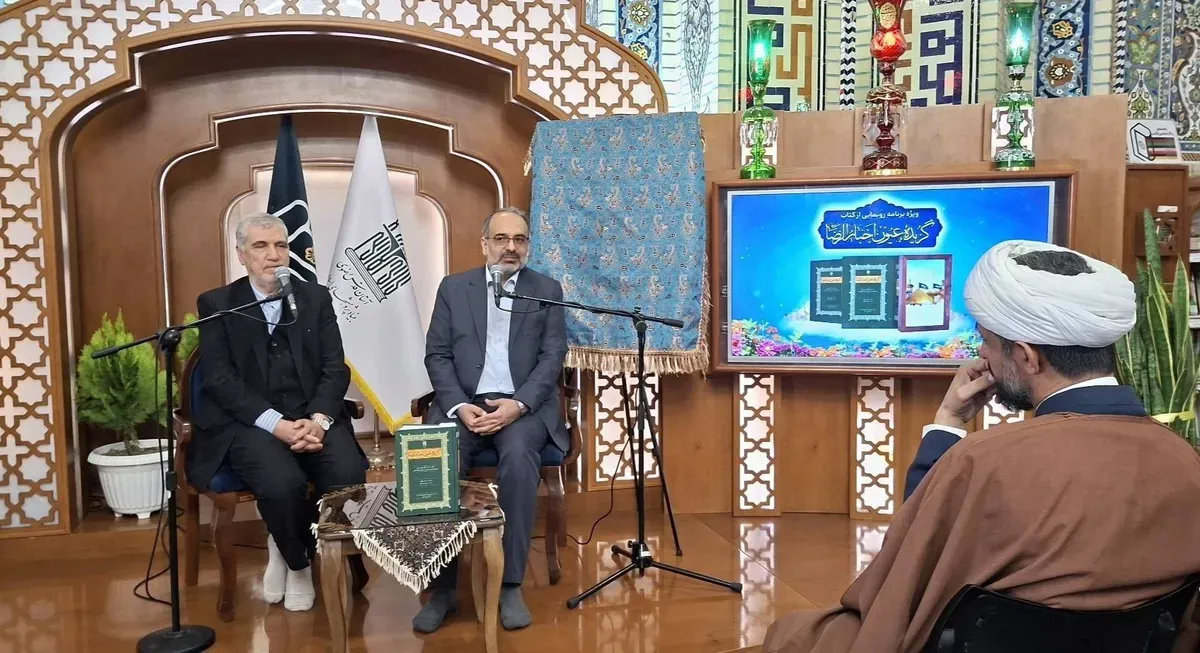
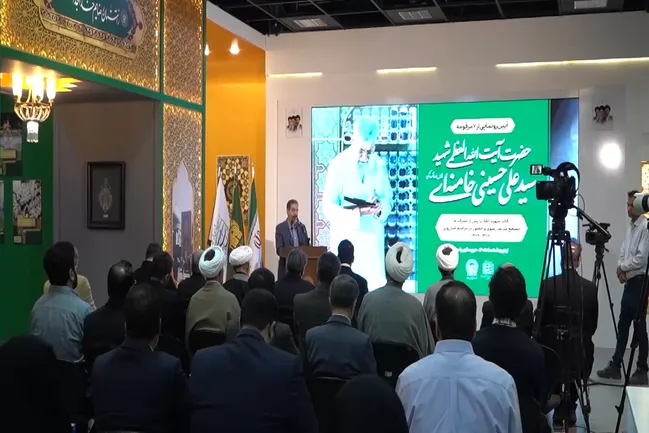
Astan Qods Razavi’s Islamic Research Foundation has unveiled recreation of the “Selections from Uyun Akhbar al-Ridha (AS)” of Sheikh Saduq with a scholarly selection and a precise translation, says head of the foundation, Ahmad Reza Gharamaleki, at the unveiling ceremony adding, this work is a rare example of a systematic re-reading of Shia tradition heritage”.
Gharamaleki stated: “This work has been published with the aim of serving pilgrims and those interested in teachings of Imam Reza (AS)”.
He added: “This valuable book was compiled by great traditionist, Sheikh Saduq, with great effort in gathering authentic documents, multiple travels, and meticulous care in selecting narrations”.
Head of AQR’s Islamic Research Foundation mentioned: “Uyun Akhbar al-Ridha (AS) is a comprehensive and multi-layered work covering various topics such as life of Imam Reza (AS), monotheistic discussions, Imamate, jurisprudential and moral issues, historical accounts, and narrated miracles at the holy shrine”.
Gharamaleki noted: “Approximately one-quarter of the narrations from the original book have been selected in this work. That is, narrations were not chosen based on personal taste, but with a specialized perspective and with the goal of benefiting pilgrims”.
According to him, the selection was carried out at the request of the custodian of Astan Qods Razavi (AQR), while selection of narrations was entrusted to Hoj. Mohammad Hakimi, a prominent hadith scholar and one of the authors of the great series al-Hayat, and the work was translated by distinguished and experienced translator Hamidreza Sheikhi.
“Several prominent tradition and biography experts including Hoj. Seyyed Mohammad Javad Shobeiri have supervised this work. They have thoroughly reviewed the text, selection, translation, and even the chain-of-transmission details”, Gharamaleki said, adding “Additionally, Mahmoud Maleki, a tradition scholar, has played an important role in scholarly supervision of the work”.
He went on to say: "The published version of this book is presented in a two-page format: One page for the Arabic text and the opposite page for a fluent Persian translation, so that pilgrims can easily use it at the holy shrine."
Speaking in the same ceremony, Mahmoud Maleki, scientific deputy at AQR’s Islamic Research Foundation, said: “In preparing this work, an effort was made to choose narrations from vast collection of traditions about Imam Reza (AS) that are most useful and beneficial for general public, especially pilgrims and those living in Mashhad”.
Scientific deputy of Islamic Research Foundation added: “Two important things have been done in this book: first, the selection of parts from the original Arabic text; and second, providing a fluent Persian translation by one of the country's prominent translators, so that Persian-speaking audiences can easily benefit from these teachings”.
Related News

Post comments
- Editor's suggestion
- Latest news
IRIU, Ministry of Foreign Affairs forge scientific diplomacy ties
Future diplomats tour Imam Reza Shrine
Iraqi students visit Imam Reza Shrine
Razavi University, al-Mustafa International University launch joint cooperation center
Malek Museum unveils exhibition on devotion to Prophet Muhammad
Khorasan Razavi MPs support AQR development plans for Imam Reza Shrine
AQR research deputies strengthen international synergy
Darvazeh Bathhouse reflects Safavid-era history in Mashhad: Expert
Sunni influencer recalls shattered stereotypes during visit to Imam Reza Shrine
International Islamic Unity Conference continues strategic vision of Iran’s leaders
Iran is a unique model of peaceful coexistence: Muslim activist
Imam Reza Shrine plays pivotal role in Islamic unity: Bahraini scholar
40th Islamic Unity Conference concludes in Mashhad
40th Islamic Unity Conference concludes in Mashhad
Imam Reza Shrine adorned for birth anniv. of Prophet, Imam Sadiq
Arab pilgrims honor birth anniv. of Prophet, Imam Sadiq
Afghan collector donates rare stamps to AQR
Imam Reza Intl. University, Razavi University expand international cooperation
AQR Custodian meets martyr Larijani's family members
Intl. landscape design and memorial space competition for Shajareh Tayyebeh School martyrs' cemetery
Dust-cleaning ceremony held at Imam Reza Shrine
Campaigns