RUIS professor explains various dimensions of Abdul Azim Hassani’s lifestyle and teachings
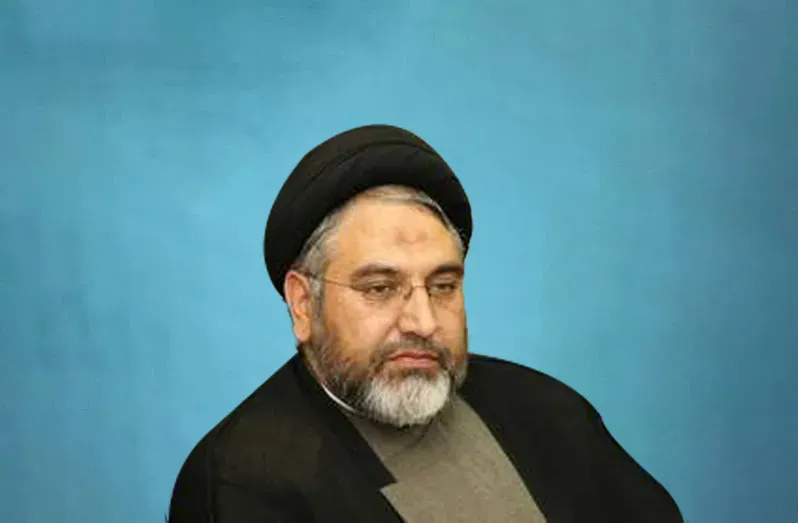
Hoj. Seyyed Mahmoud Marvian, an assistant professor at Razavi University of Islamic Sciences (RUIS), says that examining the lifestyle of Hazrat Abdul Azim Hassani (AS) shows that reforming beliefs, honesty, trustworthiness, and strengthening brotherhood are among the most important foundations of a faithful life.
Hazrat Abdul Azim Hassani (AS) was not merely a Muhaddith and narrator of the traditions of Ahl al-Bayt (AS), but also one of the great scholars and a source of intellectual and social support for Shia Muslims.
Hoj. Marvian, who holds a PhD in Quranic Sciences, explained various dimensions of the personality, lifestyle, and teachings of this great scholar in the following conversation:
What was the status of Hazrat Abdul Azim Hassani (AS) among the household of Ahl al-Bayt (AS)?
He was a Hassani Sayyed and a descendant of Imam Hassan al-Mujtaba (AS) through four generations. Hazrat Abdul Azim (AS) lived during the times of Imam Reza (AS), Imam Javad (AS), and Imam Hadi (AS), and narrated traditions from these great figures. Some prominent Hadith scholars, including the late Atarodi, believe that he also lived during the time of Imam Kazim (AS).
What characteristics were prominent in the personality of Hazrat Abdul Azim (AS)?
He was a person of etiquette, humility, modesty, and meekness, and was known among people for his trustworthiness and truthfulness. It is narrated that whenever he visited Imam Javad (AS) or Imam Hadi (AS), the Imam (AS) would seat him beside himself and inquire about his well-being.
Under what circumstances did Hazrat Abdul Azim (AS) migrate to Rey?
His era was marked by oppression and suppression of Shia Muslims, and Hazrat Abdul Azim (AS) faced the wrath of the Abbasid rulers. For this reason, and following the command of Imam Hadi (AS), he migrated from Samarra to Rey, where, despite the prevailing conditions of Taqiyyah (a practice of concealing one’s religious beliefs to protect oneself from persecution), he engaged in guiding people and narrating the traditions of Ahl al-Bayt (AS).
What was his scholarly status?
Hazrat Abdul Azim (AS) was not merely a narrator of traditions; rather, he was a scholar capable of answering scientific, religious, and Sharia-related questions and providing support to believers and those in need. Numerous narrations have also been transmitted from him in books of Hadith.
How has Imam Hadi’s (AS) trust in Hazrat Abdul Azim (AS) been reflected in history?
In a narration, Abu Hammad Razi recounts that after asking Imam Hadi (AS) questions about matters of Halal and Haram, the Imam (AS), while bidding him farewell, said that if he encountered difficulties in identifying religious matters, he should ask Abdul Azim Hassani and convey his greetings to him. This narration demonstrates his scholarly status.
Why is Hazrat Abdul Azim’s (AS) “Presentation of Faith” to Imam Hadi (AS) significant?
This act is one of the highlights of his personality. The Presentation of Faith means that a person presents their beliefs to the Imam (AS) and evaluates their intellectual path. Just as the human body needs a check-up, thoughts and beliefs must also be examined and aligned with authentic religious thought.
What lesson does this act of Hazrat Abdul Azim (AS) hold for religiosity today?
We should present our beliefs to the Imam (AS), the Imam’s (AS) deputy, and religious scholars to determine the direction of our thoughts, because thoughts and beliefs form the foundation of human behavior.
What are the main themes of the counsel of Imam Reza (AS) narrated by Hazrat Abdul Azim (AS)?
Keeping the way to Satan closed, speaking truthfully, fulfilling trusts, avoiding useless arguments, and strengthening ties among believers are among the main themes of this counsel.
Let us reflect a little more on this profound relationship. Why does Imam Reza (AS) emphasize honesty?
Lying causes distrust, humiliation, and abasement in the eyes of others, as well as a loss of blessing in wealth and work. In contrast, truthfulness and righteousness are signs of a healthy soul and strong faith. These characteristics can pave the way for resolving many problems.
What is the scope of trustworthiness from the perspective of Ahl al-Bayt (AS)?
A trust is not limited to people’s property; people’s reputation, secrets, and even social responsibilities are also trusts. A person must honor a trust whether it concerns a virtuous person or a sinner, and whether it is small or great.
Why is avoiding useless arguments mentioned alongside visiting believers?
Conflicts and useless arguments can lead individuals and communities toward division and tension. In contrast, Islam emphasizes brotherhood, friendship, solidarity, empathy, and mutual support, and regards warm relations among believers as a means of drawing closer to God.
In conclusion, what is the most important message of Hazrat Abdul Azim’s (AS) lifestyle for today’s society?
Two prominent themes can be seen in his personality. First, the presentation of beliefs and the alignment of one’s thoughts with the pure concept of Imamate and Wilayat. Second, transmitting the recommendations of Imam Reza (AS) concerning closing the way to Satan’s influence, honesty, trustworthiness, avoiding useless arguments, and strengthening social cohesion. Recognizing such personalities can teach us how to think correctly, behave correctly, and live correctly.
Related News
Post comments
- Editor's suggestion
- Latest news
RUIS professor explains various dimensions of Abdul Azim Hassani’s lifestyle and teachings
Razavi shrine library, a treasury of Persian poets works
Imam Reza’s legal perspectives have gained global prominence
Global power redefined through Razavi teachings and reflected in a leadership model
IRIU, Ministry of Foreign Affairs forge scientific diplomacy ties
Future diplomats tour Imam Reza Shrine
Iraqi students visit Imam Reza Shrine
Razavi University, al-Mustafa International University launch joint cooperation center
Malek Museum unveils exhibition on devotion to Prophet Muhammad
Khorasan Razavi MPs support AQR development plans for Imam Reza Shrine
AQR research deputies strengthen international synergy
Darvazeh Bathhouse reflects Safavid-era history in Mashhad: Expert
Sunni influencer recalls shattered stereotypes during visit to Imam Reza Shrine
International Islamic Unity Conference continues strategic vision of Iran’s leaders
Iran is a unique model of peaceful coexistence: Muslim activist
Imam Reza Shrine plays pivotal role in Islamic unity: Bahraini scholar
40th Islamic Unity Conference concludes in Mashhad
40th Islamic Unity Conference concludes in Mashhad
Imam Reza Shrine adorned for birth anniv. of Prophet, Imam Sadiq
Arab pilgrims honor birth anniv. of Prophet, Imam Sadiq
Afghan collector donates rare stamps to AQR
Campaigns