Scholars examine formation of an independent and self-reliant resistance front against hegemonic powers
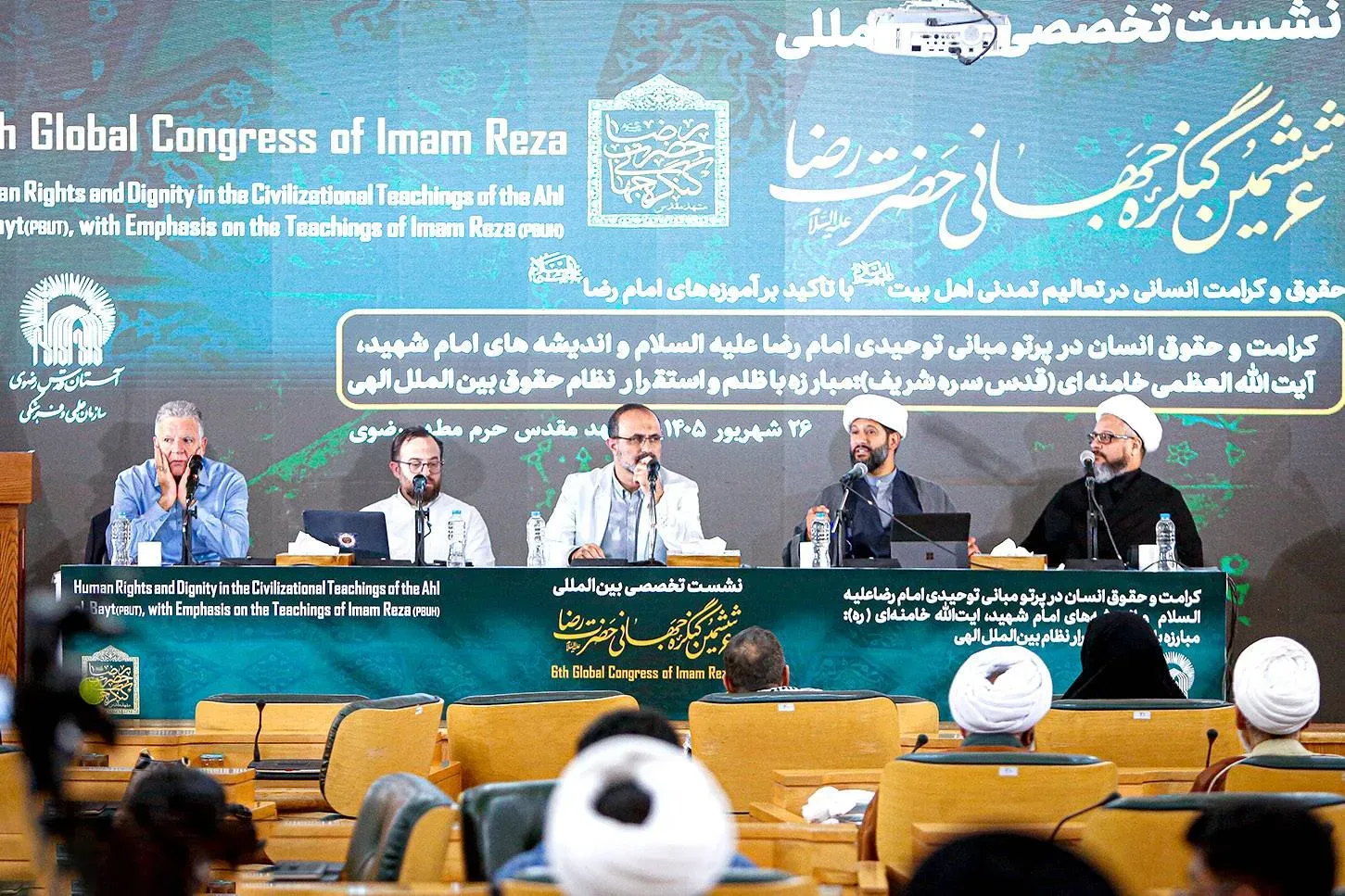
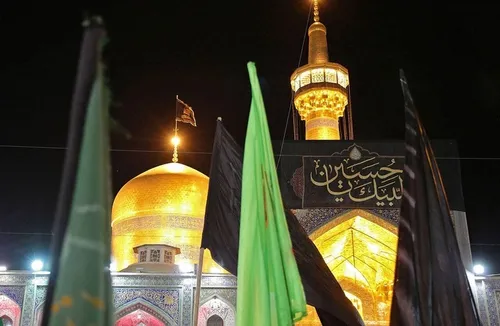
Scholars at the 6th Imam Reza International Congress gathered at Imam Reza Shrine to analyze the requirements for achieving Islamic self-reliance and forming a resistance front against hegemonic powers.
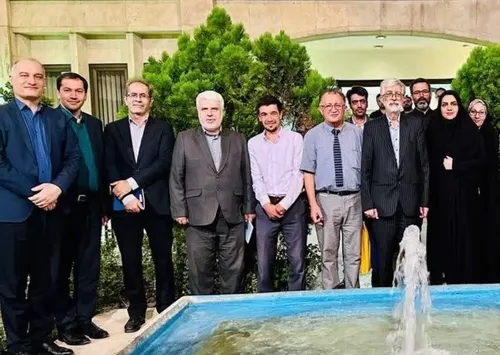
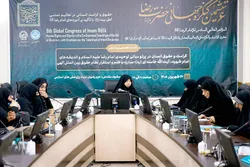
The specialized panel titled “Resistance Front, Unity, and Cohesion of the Islamic Ummah Against the Hegemonic System” was held as part of the 6th Imam Reza International Congress. International experts gathered in Mashhad, northeastern Iran, to examine the political and civilizational dimensions of resistance, drawing on the teachings of Imam Reza and the insights of the Martyred Leader.
Jafar Ali Ladak, a scholar at Al-Mustafa International University, noted that victory and defeat should be evaluated based on strategic objectives rather than battlefield losses.
He asserted: “Islamic nations must reduce dependency on foreign powers and utilize internal capacities to foster mutual reliance, ensuring true independence in defensive and economic sectors”.
Hadley El-Mansour from the University of Kairouan highlighted that the domination system targets the identity and culture of societies, not just political spheres.
He identified Imam Reza Shrine as a crucial spiritual stronghold for cultural resistance, stating: “The Martyred Leader, similar to the approach of Imam Reza, employed tools tailored to current requirements, specifically expanding awareness and strengthening spiritual institutions to guide the nation against hegemonic projects”.
Khalil Zevallos, an Argentine researcher, addressed the expansion of Evangelical Zionism in Latin America, noting its influence on geopolitical narratives.
He argued: “Contemporary portrayals of West Asia are driven by colonial legacies and ideological interests”.
He stressed that Islam, Christianity, and Judaism share foundations for justice and human dignity. “The rational dialogue of Imam Reza provides a necessary alternative to apocalyptic rhetoric that frames global relations as a permanent conflict”.
Eliezer Ranieri Marquez da Silva from Brazil discussed the Martyred Leader’s vision of a new Islamic civilization, emphasizing: “This project is not abstract but a long-term endeavor where material progress is inextricably linked to ethics, spirituality, and human purpose”.
He outlined a five-stage progression—from the Revolution to the realization of a new civilization—stressing that "scientific jihad" must be balanced with social justice and moral integrity to avoid societal vulnerability.
In a virtual presentation, Anne-Marie Orbo Kirkegaard and Siavash Bighan reinterpreted Thomas Hobbes' Leviathan through the lens of Velayat-e Faqih – guardianship of the Islamic Jurist.
They argued that Hobbes’ theory is not purely secular but relies on theological foundations to protect society from political and spiritual chaos.
“The Martyred Leader’s model”, they noted, “provides a unified direction for societal protection, echoing the necessity of guided leadership in maintaining communal unity and security”.
Related News

Post comments
- Editor's suggestion
- Latest news
Islamic Revolution’s message transcends national borders
6th Imam Reza International Congress concludes
Intl. scholars explore Razavi justice, resistance against structures of domination
Researchers explore the Ahl al-Bayt’s (AS) distinctive perspectives on justice
Imam Reza Congress, vital platform for strengthening unity of Islamic Ummah
African thinker highlights inseparable link between Razavi teachings, governance model of Martyred Leader
Martyred Leader’s martyrdom resonates across religious boundaries in Latin America
Imam Reza Shrine remains a focal point of convergence for nations, religions
Human rights defined through Imam Reza’s teachings, human dignity: Scholar
Imam Reza’s teachings, “jihad of clarification” ensure invincibility of Resistance: Yemeni researcher
US researcher links Imam Reza’s foresight, Martyred Leader’s legacy to governance
International scholars examine human dignity and rights in light of Imam Reza’s teachings
Scholars examine formation of an independent and self-reliant resistance front against hegemonic powers
6th Imam Reza International Congress explores human rights, Razavi teachings
RUIS professor explains various dimensions of Abdul Azim Hassani’s lifestyle and teachings
Razavi shrine library, a treasury of Persian poets works
Imam Reza’s legal perspectives have gained global prominence
Global power redefined through Razavi teachings and reflected in a leadership model
IRIU, Ministry of Foreign Affairs forge scientific diplomacy ties
Future diplomats tour Imam Reza Shrine
Iraqi students visit Imam Reza Shrine
Campaigns