Martyred Leader’s martyrdom resonates across religious boundaries in Latin America
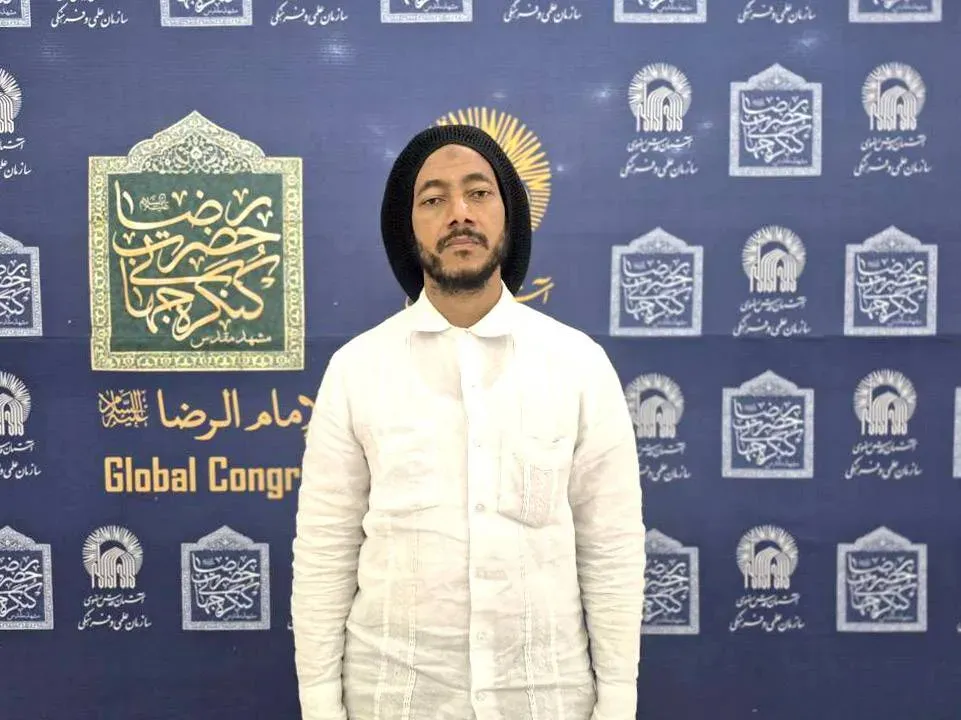
Referring to the deep connection between Razavi teachings and the governance model of the Martyred Leader of the Islamic Revolution, Colombian researcher Abdul Hakim described the martyrdom of Ayatollah Seyed Ali Khamenei as a turning point in fostering solidarity among freedom-loving people around the world beyond religious boundaries.
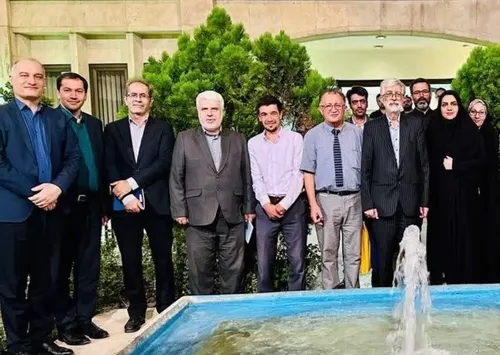
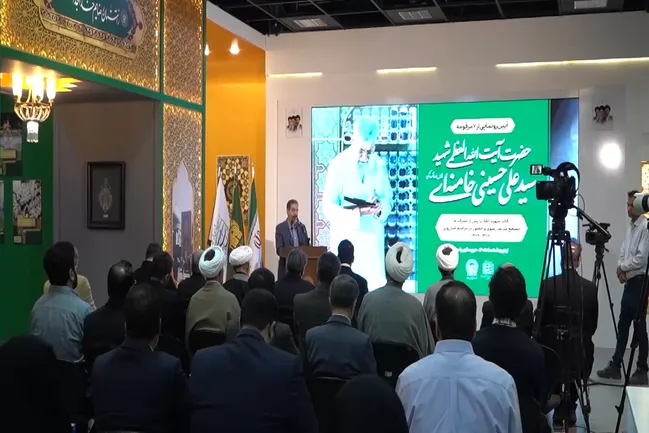
The Colombian researcher, who has a background in academic circles in Qom, analyzed the link between the Razavi school of thought and the governance model of the martyred Leader of the Islamic Revolution on the sidelines of the Imam Reza International Congress in Mashhad.
Abdul Hakim stated, “All political, spiritual, and behavioral approaches of the martyred Leader of the Islamic Revolution are rooted in the teachings of the Ahl al-Bayt (AS), particularly those of Imam Reza (AS).”
Referring to the impact of the martyred Leader’s martyrdom on non-Muslim societies, particularly in Latin America, Abdul Hakim said, “Contrary to common perceptions, his martyrdom resonated beyond the Islamic world. Many Christians in Latin America and Europe knew him not only as a political figure, but also as a spiritual and compassionate figure and a supporter of the oppressed around the world.”
He added, “This empathy was so profound that even among followers of other religions, it generated deep respect and emotion toward the righteousness and innocence of this divine leader. This demonstrates that his message of seeking justice has transcended religious boundaries.”
Abdul Hakim noted, “Pilgrimage to Imam Reza (AS) has long been a cherished wish and represents a deep connection for us. We believe that Hazrat Reza (AS) pays special attention to all lovers and seekers of truth around the world.”
The Colombian researcher, who became acquainted with Islam in his youth and later converted to the Shia school of thought, also referred to the spirit of anti-imperialism in Latin American countries, saying, “Although Muslims constitute a minority in Latin America, the people of the region act in line with the Resistance Front because of their truth-seeking spirit.”
Related News

Post comments
- Editor's suggestion
- Latest news
Islamic Revolution’s message transcends national borders
6th Imam Reza International Congress concludes
Intl. scholars explore Razavi justice, resistance against structures of domination
Researchers explore the Ahl al-Bayt’s (AS) distinctive perspectives on justice
Imam Reza Congress, vital platform for strengthening unity of Islamic Ummah
African thinker highlights inseparable link between Razavi teachings, governance model of Martyred Leader
Martyred Leader’s martyrdom resonates across religious boundaries in Latin America
Imam Reza Shrine remains a focal point of convergence for nations, religions
Human rights defined through Imam Reza’s teachings, human dignity: Scholar
Imam Reza’s teachings, “jihad of clarification” ensure invincibility of Resistance: Yemeni researcher
US researcher links Imam Reza’s foresight, Martyred Leader’s legacy to governance
International scholars examine human dignity and rights in light of Imam Reza’s teachings
Scholars examine formation of an independent and self-reliant resistance front against hegemonic powers
6th Imam Reza International Congress explores human rights, Razavi teachings
RUIS professor explains various dimensions of Abdul Azim Hassani’s lifestyle and teachings
Razavi shrine library, a treasury of Persian poets works
Imam Reza’s legal perspectives have gained global prominence
Global power redefined through Razavi teachings and reflected in a leadership model
IRIU, Ministry of Foreign Affairs forge scientific diplomacy ties
Future diplomats tour Imam Reza Shrine
Iraqi students visit Imam Reza Shrine
Campaigns