Iran’s dignity, authority fruit of adherence to Vilayat, preservation of national unity
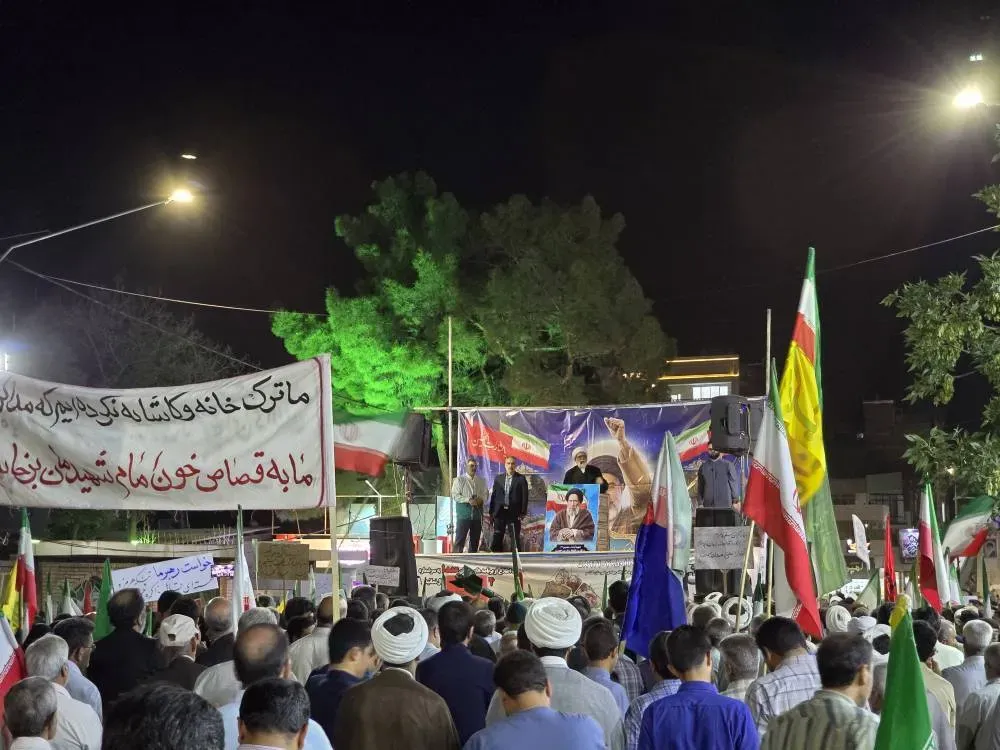
Ayat. Ahmad Marvi says Iran’s independence, strength, and influence stem from Imamate, Vilayat Faqih (Guardianship of Islamic Jurist), and religious leadership, stressing national unity as essential in confronting enemy plots.
Ayat. Ahmad Marvi, the Custodian of Astan Qods Razavi (AQR), underscored the decisive role of Vilayat in preserving the country’s dignity and independence, stating: “Today’s Iran has become an independent, powerful, and influential nation in light of Imamate, Vilayat, and religious leadership”.
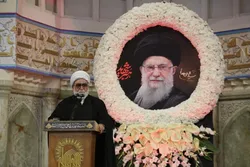
Speaking at a nighttime gathering in Kashmar, south of Mashhad in Khorasan Razavi Province, on Saturday, May 30, Ayat. Marvi commemorated the memory of martyred scholar Ayat. Seyyed Hassan Modarres.
He described Modarres as one of the greatest luminaries of the Shia world and a prominent figure of the clergy, asserting: “Modarress was an Islamic scholar, a perceptive statesman, and a courageous fighter who stood against tyranny in the most difficult conditions, defending religion, national independence, and the people’s rights.”
The head of AQR noted that Modarres endured severe hardships during the Reza Shah monarchy, including exile and imprisonment.
He maintained: “The secret to Modarres’ lasting impact lies in his victory over self before confronting external enemies. Neither position nor responsibility ever made him worldly.”
Citing Imam Reza’s luminous statement — “Indeed, Imamate is the pillar of religion, the system of Muslims, and the prosperity of the world and the dignity of believers” — Ayat. Marvi emphasized that Imamate ensures unity of Muslim Ummah, secures the dignity of the faithful, and safeguards the interests of the Ummah.”
He added: “Any society blessed with Vilayat and religious leadership will remain steadfast against enemy conspiracies.”
The top official highlighted ongoing hostility toward Iran, stating: “Adversaries have inflicted damage through imposed wars but never achieved their goals”.
He noted: “During the Ramadan War, enemies sought to instill fear and despair through terrorism, aiming to divert Iran from the path of resistance, but only intensified public awareness, steadfastness, and mobilization.”
Reflecting on Iran’s history over the past two centuries, AQR’s Custodian pointed to the weakness and dependency of Qajar and Pahlavi rulers, which led to territorial losses. In contrast, he stressed: “During the Islamic Republic era, despite the eight-year war and global powers’ support for the enemy, not an inch of Islamic Iran’s soil was lost.”
He further noted that enemies attempted to weaken Iran’s resolve during the 12-day war and Ramadan War by targeting commanders and elites. “However, the people and armed forces stood firm, leaving adversaries unfulfilled in their objectives”.
Ayat. Marvi asserted: “Today’s Iran is not the Iran of Qajar or Pahlavi times. It is an independent, dignified, and influential country that has endured pressures through the blessings of Vilayat and the culture of Ashura.”
He described Vilayat Faqih (Guardianship of the Islamic Jurist) as the continuation of the luminous line of leadership from the Prophet, Imam Ali, and the Infallible Imams in the era of occultation.
He added: “Widespread public participation, a spirit of resistance, and national unity are fruits of the deep bond between the Iranian people and the culture of Ahl al-Bayt and Vilayat.”
Ayat. Marvi emphasized the necessity of preserving unity and national solidarity, stating: “Today, more than ever, we need cohesion and solidarity. Any word or act causing division serves enemy interests, knowingly or unknowingly.”
The Custodian of Astan Qods Razavi concluded his remarks by saying: “While criticism and demands may exist, the priority now is safeguarding unity and supporting the united front of the Iranian nation. The path to dignity, security, independence, and progress lies in adhering to Vilayat, maintaining national cohesion, and following leadership.”
Related News
Post comments
- Editor's suggestion
- Latest news
IRIU, Ministry of Foreign Affairs forge scientific diplomacy ties
Future diplomats tour Imam Reza Shrine
Iraqi students visit Imam Reza Shrine
Razavi University, al-Mustafa International University launch joint cooperation center
Malek Museum unveils exhibition on devotion to Prophet Muhammad
Khorasan Razavi MPs support AQR development plans for Imam Reza Shrine
AQR research deputies strengthen international synergy
Darvazeh Bathhouse reflects Safavid-era history in Mashhad: Expert
Sunni influencer recalls shattered stereotypes during visit to Imam Reza Shrine
International Islamic Unity Conference continues strategic vision of Iran’s leaders
Iran is a unique model of peaceful coexistence: Muslim activist
Imam Reza Shrine plays pivotal role in Islamic unity: Bahraini scholar
40th Islamic Unity Conference concludes in Mashhad
40th Islamic Unity Conference concludes in Mashhad
Imam Reza Shrine adorned for birth anniv. of Prophet, Imam Sadiq
Arab pilgrims honor birth anniv. of Prophet, Imam Sadiq
Afghan collector donates rare stamps to AQR
Imam Reza Intl. University, Razavi University expand international cooperation
AQR Custodian meets martyr Larijani's family members
Intl. landscape design and memorial space competition for Shajareh Tayyebeh School martyrs' cemetery
Dust-cleaning ceremony held at Imam Reza Shrine
Campaigns