AQR develops financial infrastructure for international donations, votive offerings
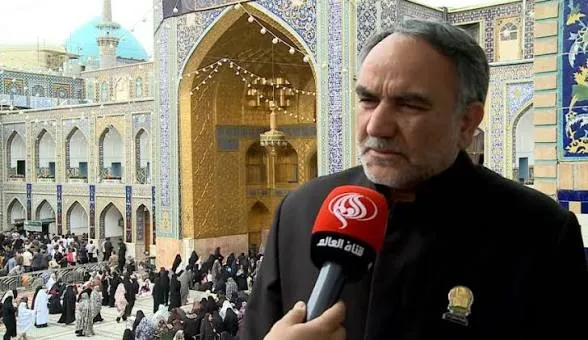
Astan Qods Razavi (AQR) is enhancing its international financial infrastructure to facilitate easier donation contributions for pilgrims across the globe.
Alireza Esmailzadeh, the director general of donations at Astan Qods Razavi in Mashhad, northeast Iran, stated that diverse infrastructure is being developed to support contributions from overseas.
He noted: "In order to facilitate the participation of those devoted to Imam Reza (AS) in foreign countries, various infrastructure for receiving religious donations, including cryptocurrency payment platforms, international applications, and foreign currency accounts, are being developed and strengthened."
He further explained that the dedicated portal, donate.razavi.ir, currently supports five cryptocurrencies: Tether, Ethereum, Bitcoin, Dogecoin, and Cardano.
Esmailzadeh explained that the system is fully operational and accessible to global users without technical issues, though ongoing work aims to expand its capabilities.
He identified the utilization of the "NewCash" application as another significant capacity for collecting donations, stating: "This application is currently used in approximately 20 countries across the Arab world and the Persian Gulf region, and assessments indicate the potential for expanding its operations into other countries, including Turkey."
The AQR official also highlighted the use of foreign currency accounts held by major domestic banks.
He explained: "Currently, we are leveraging the capacity of foreign currency accounts and SWIFT codes from institutions such as Bank Tejarat and Bank Saderat to receive funds from abroad."
Despite the existence of international restrictions and challenges in this sector, he confirmed that accounts linked to certain foreign nations remain active and functional for these purposes.
For Iranians residing abroad who possess domestic bank cards and have roaming services to receive dynamic passwords, he noted the availability of the "nazr.razavi.ir" platform for Rial-based payments.
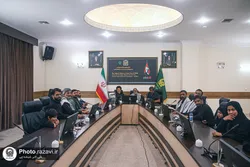
Esmailzadeh asserted that technical and legal negotiations are underway to finalize contracts with international payment systems and platforms to further streamline global contributions.
He concluded by inviting experts and activists in this field to share their suggestions and perspectives to improve collection methods, thereby facilitating wider global participation for those devoted to Imam Reza.
Related News


Post comments
- Editor's suggestion
- Latest news
IRIU, Ministry of Foreign Affairs forge scientific diplomacy ties
Future diplomats tour Imam Reza Shrine
Iraqi students visit Imam Reza Shrine
Razavi University, al-Mustafa International University launch joint cooperation center
Malek Museum unveils exhibition on devotion to Prophet Muhammad
Khorasan Razavi MPs support AQR development plans for Imam Reza Shrine
AQR research deputies strengthen international synergy
Darvazeh Bathhouse reflects Safavid-era history in Mashhad: Expert
Sunni influencer recalls shattered stereotypes during visit to Imam Reza Shrine
International Islamic Unity Conference continues strategic vision of Iran’s leaders
Iran is a unique model of peaceful coexistence: Muslim activist
Imam Reza Shrine plays pivotal role in Islamic unity: Bahraini scholar
40th Islamic Unity Conference concludes in Mashhad
40th Islamic Unity Conference concludes in Mashhad
Imam Reza Shrine adorned for birth anniv. of Prophet, Imam Sadiq
Arab pilgrims honor birth anniv. of Prophet, Imam Sadiq
Afghan collector donates rare stamps to AQR
Imam Reza Intl. University, Razavi University expand international cooperation
AQR Custodian meets martyr Larijani's family members
Intl. landscape design and memorial space competition for Shajareh Tayyebeh School martyrs' cemetery
Dust-cleaning ceremony held at Imam Reza Shrine
Campaigns