Darvazeh Bathhouse reflects Safavid-era history in Mashhad: Expert
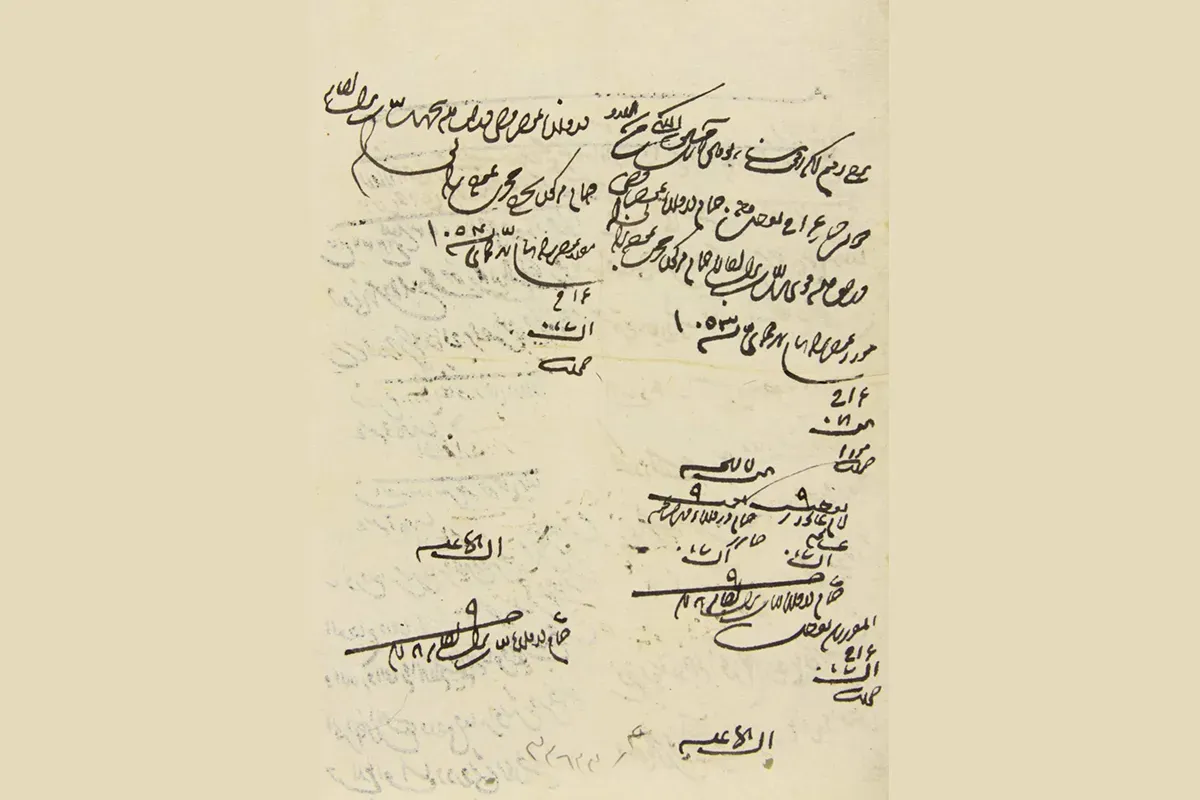
As one of the bathhouses endowed to Astan Qods Razavi (AQR) during the Safavid era, Darvazeh Bathhouse is being introduced based on historical documents preserved in the archives of the Imam Reza Shrine, coinciding with Endowment Week.
Ameneh Mousavi, a documentary studies expert at the AQR Documents and Publications Center, said: “The history of bathhouses in Iran dates back to ancient times. Following the advent of Islam, however, religious rituals and requirements further emphasized the importance of bathing in Iranian society. Meanwhile, with the expansion of the tradition of endowment, particularly from the Safavid period onward, the establishment of public-benefit facilities, including bathhouses, increasingly took place through endowments.”
Mousavi continued: “In Mashhad, particularly in the vicinity of the Imam Reza Shrine, numerous public facilities, including bathhouses, were established from ancient times to serve the welfare of pilgrims. Many of these structures have since been destroyed or repurposed, leaving only their names and traces in historical documents. Darvazeh Bathhouse is one such example.”
Noting that historical sources contain limited information about the characteristics and functions of bathhouses in Mashhad, including Darvazeh Bathhouse, she said: “The AQR document archives contain 114 historical documents related to Darvazeh Bathhouse, dating from the Safavid period and relating to the administrative affairs of the holy shrine. These documents are available for research and review.”
The AQR documentary studies expert added: “These documents refer to Darvazeh Bathhouse in connection with matters such as the payment of lighting expenses, repairs, payment of wages and pensions to the shrine’s staff and sweepers, the collection of cash and in-kind payments from AQR properties in Mashhad and expenditures from those revenues, allocations for various expenses, lease agreements, and other administrative matters. Therefore, the bathhouse appears to have functioned in much the same way as other bathhouses in Iran.”
Mousavi stated: “According to existing historical documents, Darvazeh Bathhouse was located in the Chaharsuq Bazaar in Mashhad’s Noghan neighborhood. The bathhouse was named Darvazeh because it was located near the Noghan Gate. Another document refers to an amber-seller’s shop located next to Darvazeh Bathhouse in the Chaharsuq Bazaar.”
She went on to say: “The oldest document related to Darvazeh Bathhouse dates back to 1010 AH, during the Safavid period. It concerns the payment of wages to Mohammad Reza, a shrine sweeper, from the rental income of Darvazeh Bathhouse.”
The AQR documentary studies expert said: “A document concerning the lease of the bathhouse dates back to 1011 AH. It states: ‘Khwaja Mohammad Reza Alamdar, son of Khwaja Arab Mashhadi, and Amir Haji Hammami leased the bathhouse in Mashhad known as Darvazeh Bathhouse for a period of one year under a legal lease agreement from the endowments of the Sarkar Feiz-Asar (Astan Qods Razavi).’”
Mousavi stated: “The closure of Darvazeh Bathhouse to the general public during the first ten days of Muharram, particularly on Ashura, is another notable aspect of the history of this bathhouse. This was because the bathhouse was placed at the disposal of mourning groups during this period. This practice is also clearly reflected in the terms of its lease agreements.”
She added: “During periods when the bathhouse underwent repairs, the holy shrine closed it and covered the repair costs. For example, a document dating back to 1016 AH states: ‘Khwaja Beyk Hammami and Mir Seyyed Shir Hammami received two Tomans, in the common currency of Khorasan, from the holy shrine to cover the construction expenses of Darvazeh Bathhouse.’”
Introducing two other documents related to Darvazeh Bathhouse preserved in the AQR document archives, Mousavi noted: “Since no documents concerning the bathhouse’s expenses or rental income have been found among the Qajar-era documents in this archive, it appears that the bathhouse was either demolished or repurposed during this period.”
It is worth mentioning that the Management of the Documents and Press Center of the Organization of Libraries, Museums, and Documentation Center of Astan Qods Razavi preserves valuable information resources, including written and non-written documents. These materials have been collected through donations and purchases, as well as through the collection of documents produced as part of the administrative processes of the holy shrine.
Related News
Post comments
- Editor's suggestion
- Latest news
Future diplomats tour Imam Reza Shrine
Iraqi students visit Imam Reza Shrine
Razavi University, al-Mustafa International University launch joint cooperation center
Malek Museum unveils exhibition on devotion to Prophet Muhammad
Khorasan Razavi MPs support AQR development plans for Imam Reza Shrine
AQR research deputies strengthen international synergy
Darvazeh Bathhouse reflects Safavid-era history in Mashhad: Expert
Sunni influencer recalls shattered stereotypes during visit to Imam Reza Shrine
International Islamic Unity Conference continues strategic vision of Iran’s leaders
Iran is a unique model of peaceful coexistence: Muslim activist
Imam Reza Shrine plays pivotal role in Islamic unity: Bahraini scholar
40th Islamic Unity Conference concludes in Mashhad
40th Islamic Unity Conference concludes in Mashhad
Imam Reza Shrine adorned for birth anniv. of Prophet, Imam Sadiq
Arab pilgrims honor birth anniv. of Prophet, Imam Sadiq
Afghan collector donates rare stamps to AQR
Imam Reza Intl. University, Razavi University expand international cooperation
AQR Custodian meets martyr Larijani's family members
Intl. landscape design and memorial space competition for Shajareh Tayyebeh School martyrs' cemetery
Dust-cleaning ceremony held at Imam Reza Shrine
Dust-cleaning ceremony held at Imam Reza Shrine
Campaigns