Imam Reza Shrine unveils historic Arbaeen documents and manuscripts
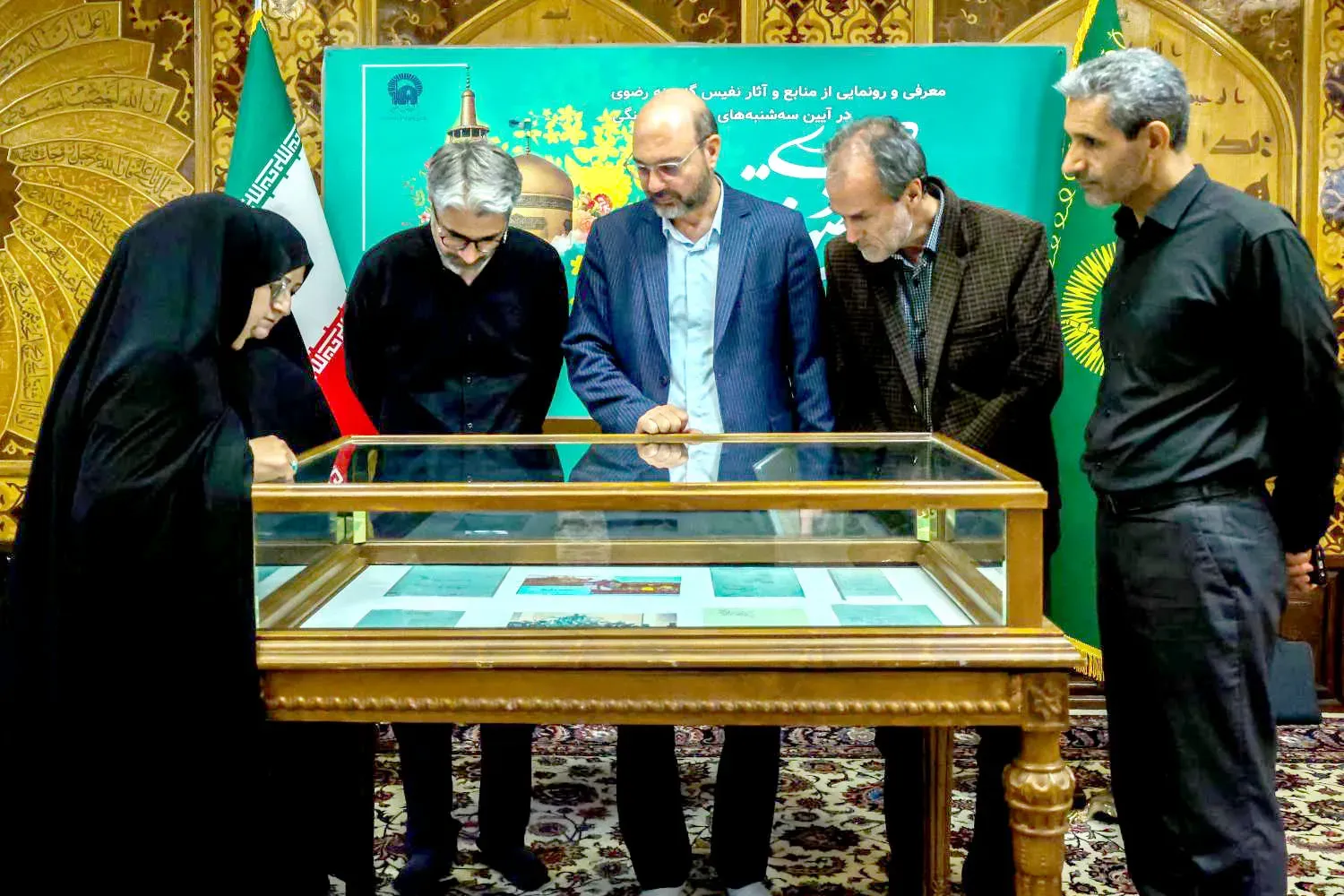
A collection of centuries-old documents detailing the history of Arbaeen mourning rituals at Imam Reza Shrine was unveiled in Mashhad, northeast Iran, shedding light on the long-standing tradition of religious observances at the shrine.
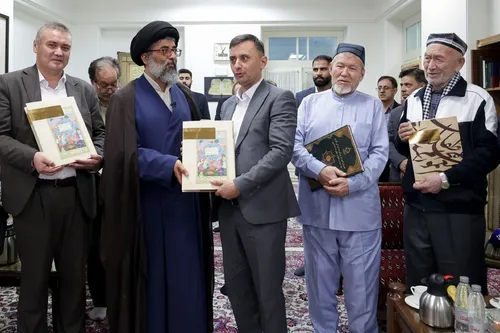
Under the auspices of the Organization of Libraries, Museums, and Documents Center of Astan Qods Razavi (AQR), ancient written records of Arbaeen rituals were unveiled in the Central Library at Imam Reza Shrine.
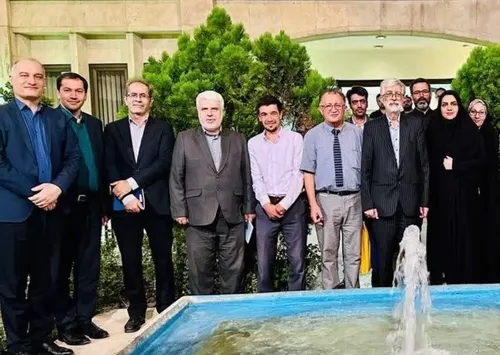
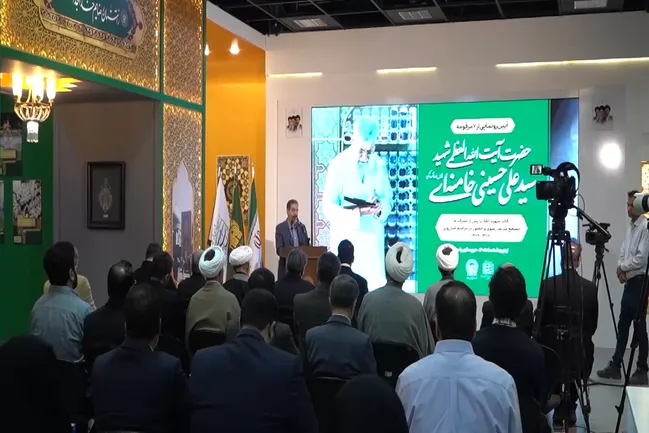
The ceremony, held in Andisheh Hall, marked the 300th installment of the “Scientific and Cultural Tuesdays” program and aimed to honor the legacy of the Martyred Leader, Ayatollah Seyyed Ali Khamenei.
The collection includes six significant documents spanning the years 1734 to 1905 CE. These records provide a detailed view of how mourning services were managed, including costs associated with the closure of bathhouses during Ashura and Arbaeen, and receipts for lighting and candles provided for mourning gatherings. These artifacts demonstrate that Arbaeen rituals were supported by specific endowments and administrative oversight for centuries.
According to Kobra Sedrian, a document expert at AQR, “Shia mourning rituals transitioned from spontaneous activities to organized, endowment-supported structures during the Safavid era”.
She noted that more than 60 historical documents exist from the Safavid period to the present, confirming the central importance of this occasion in the holy city.
“Historical analysis of these endowments reveals three key themes: the institutionalization of rituals through endowments, the geographical connection between Imam Reza Shrine and Karbala, and the enduring social impact of Arbaeen”, Sedrian added.
Elsewhere, Mohammad Reza Ghaemi-Nik, Vice President of Razavi University of Islamic Sciences, discussed the civilizational significance of the Arbaeen pilgrimage from the perspective of the martyred Leader.
He emphasized: “The Leader especially focused on the cultural and social dimensions of the event, and he appreciated the hospitality of the Iraqi people and the grassroots nature of the pilgrimage management”.
Ghaemi-Nik stated that the martyred Leader viewed Arbaeen as a driving force for modern Islamic civilization, capable of uniting diverse Muslim communities in collective action.
Related News

Post comments
- Editor's suggestion
- Latest news
Iran-Pakistan Razavi Culture event to get underway at Imam Reza Shrine
Palestinians stand by Imam Hussein (AS) until victory: Al-Aqsa mosque prayer leader
Lebanese scholar, Nigerian student stress following Imam Hussein’s path
Imam Reza Shrine to hold mourning ceremony in English
Imam Reza Intl. Congress Secretariat extends submission deadline
Hundreds of Azeri-speaking pilgrims visit Imam Reza Shrine
Scholars hold unity gathering at Imam Reza Shrine
Scholar emphasizes universal message of Imam Hussein
Shrine adorned with black banners for final days of Safar
Selected photographs exhibition opens at Imam Reza Shrine
Khorasan Razavi Social Security Organization treatment director visits Imam Reza Dar al-Shifa
AQR Custodian urges comprehensive government planning for Imam Reza Shrine pilgrims
Ambassadors of Imam Reza set out on pilgrimage to Samarra holy shrine
Arbaeen Hosseini Mourning Ceremony at the Imam Khomeini Hall of the Holy Razavi Shrine
AQR's Custodian visits Imam Hussein underground portico project
Arbaeen is greatest display of solidarity among Islamic Ummah: AQR custodian
Razavi Hospital upgrades nuclear medicine, introduces new radiopharmaceuticals
Imam Reza Shrine unveils historic Arbaeen documents and manuscripts
Imam Reza Shrine hosts Arbaeen mourning programs for non-Iranian pilgrims
Love for Imam Hossein Brings Ivory Coast Devotees to Imam Reza Mukib
Serving Arbaeen pilgrims is an extension of Razavi culture
Campaigns