Razavi shrine windows turn architectural heritage into a living pilgrimage experience
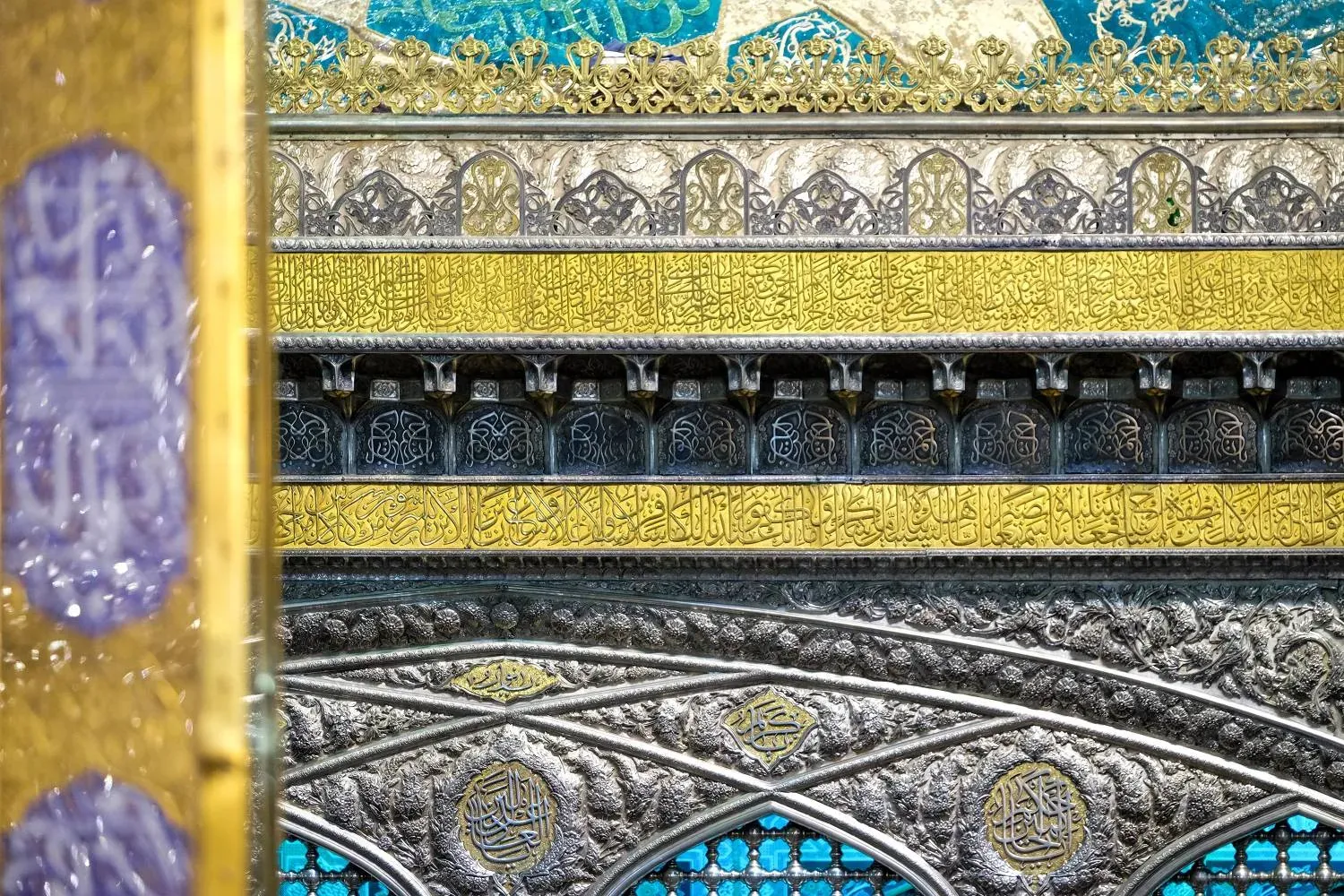
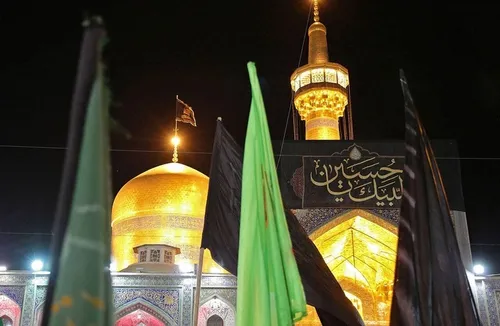
Behzad Nemati, artist and researcher at the Islamic Research Foundation of Astan Qods Razavi (AQR), explores the historical evolution, artistic features, and cultural significance of the pilgrimage windows at the Imam Reza Shrine.
The pilgrimage windows at Imam Reza Shrine are more than architectural elements; over the centuries, they have evolved into important places for supplication, spiritual connection, and the collective memory of pilgrims. Nemati explores the history and cultural significance of these structures.
Can the exact number of pilgrimage windows at the holy shrine be determined?
There is no definitive number of pilgrimage windows at the holy shrine. Due to their varied shapes and locations throughout the complex, there is no consensus on which structures should be classified as “pilgrimage windows,” resulting in different estimates.
Which is the oldest and most well-known of these windows?
One of the most significant examples is the Steel Window (Panjereh Fooladi) in the Enghelab Eslami Courtyard, formerly known as the Old Courtyard. Historical records indicate that a window existed in this area as far back as approximately 500 years ago. Evidence also suggests that an outward-facing space existed on the northern side of the holy burial chamber even before the Timurid era.
Is the steel window we see today the same structure that existed centuries ago?
Although the site has deep historical roots, the current structure has undergone repairs and replacements over the centuries. Its present location was established during the Safavid-era reconstruction of the Old Courtyard. Therefore, it is important to distinguish between the historical significance of the site and the age of the structure that exists today.
Beyond the Enghelab Eslami Courtyard, where else can pilgrims visit through these windows?
Another notable example is in Jomhouri Eslami Courtyard, which overlooks Dar al-Velayah space. Inside Dar al-Velayah corridor itself, another window offers a view of the holy burial chamber from the head-side. Throughout history, certain windows have been relocated, such as one formerly situated between the northern and northeastern sides of the burial chamber.
Why are most of these windows known as "Steel Windows"?
Most of these windows are metal and typically feature arches or portals. The openings are decorated with ball-and-bead metal lattices, serving both as protective barriers and artistic elements. Inscriptions appropriate for the spiritual setting are also found on the upper sections of the structures.
What are their artistic characteristics?
Most windows are metallic, with wooden examples being relatively rare. Decorative frames and enamel inscriptions often adorn the upper sections, as seen beautifully on the Steel Window of Jomhouri Eslami Courtyard. Consequently, these windows are recognized as integral parts of the shrine's artistic and architectural heritage.
Are there documents regarding the maintenance of these windows?
It is difficult to pinpoint the exact frequency of reconstruction for each window, as historical records are incomplete. However, documents detailing maintenance and repairs are preserved within the AQR archives at the Central Library.
When does the earliest historical evidence regarding these windows appear?
While no precise date exists for their inception, records confirm they have existed for at least 500 to 600 years, dating back to the Timurid era. Sources from the late Timurid and early Safavid periods mention these windows as landmarks to identify the burial sites of prominent figures within the shrine.
How did an architectural element become part of the culture of pilgrimage?
Their longevity is the primary driver of their cultural status. Over centuries, unique pilgrimage behaviors have evolved around these sites. Pilgrimages at the steel windows are typically marked by deep supplication, requests for healing, and the popular tradition of tying tokens of prayer, cementing their status as vibrant nodes of spiritual activity.
Is it accurate to say that part of these windows’ fame stems from the memories and experiences of pilgrims?
These windows are memory-makers. Countless experiences across generations have occurred by these structures, embedding them in the collective consciousness of pilgrims. Over time, a pattern of pilgrimage has developed around them, elevating them from simple architectural elements to cornerstones of the pilgrims' collective memory.
Do these windows remain a prominent feature of the shrine’s modern architecture?
The concept remains vital in both historical and contemporary architectural designs at the Imam Reza Shrine. Wherever a visual connection to the holy burial chamber is possible, designers prioritize incorporating such windows, demonstrating that this is an enduring logic in the shrine’s spatial design.
How would you describe the significance of these windows in one sentence?
Pilgrimage windows are the bridge linking architecture to the culture of pilgrimage; they are elements that, over centuries, have intertwined art and architecture with the prayers, hopes, and memories of those seeking connection with the Imam Reza Shrine.
Related News
Post comments
- Editor's suggestion
- Latest news
Future diplomats tour Imam Reza Shrine
Iraqi students visit Imam Reza Shrine
Razavi University, al-Mustafa International University launch joint cooperation center
Malek Museum unveils exhibition on devotion to Prophet Muhammad
Khorasan Razavi MPs support AQR development plans for Imam Reza Shrine
AQR research deputies strengthen international synergy
Darvazeh Bathhouse reflects Safavid-era history in Mashhad: Expert
Sunni influencer recalls shattered stereotypes during visit to Imam Reza Shrine
International Islamic Unity Conference continues strategic vision of Iran’s leaders
Iran is a unique model of peaceful coexistence: Muslim activist
Imam Reza Shrine plays pivotal role in Islamic unity: Bahraini scholar
40th Islamic Unity Conference concludes in Mashhad
40th Islamic Unity Conference concludes in Mashhad
Imam Reza Shrine adorned for birth anniv. of Prophet, Imam Sadiq
Arab pilgrims honor birth anniv. of Prophet, Imam Sadiq
Afghan collector donates rare stamps to AQR
Imam Reza Intl. University, Razavi University expand international cooperation
AQR Custodian meets martyr Larijani's family members
Intl. landscape design and memorial space competition for Shajareh Tayyebeh School martyrs' cemetery
Dust-cleaning ceremony held at Imam Reza Shrine
Dust-cleaning ceremony held at Imam Reza Shrine
Campaigns