SEZ marks new phase of development, investment, transformation
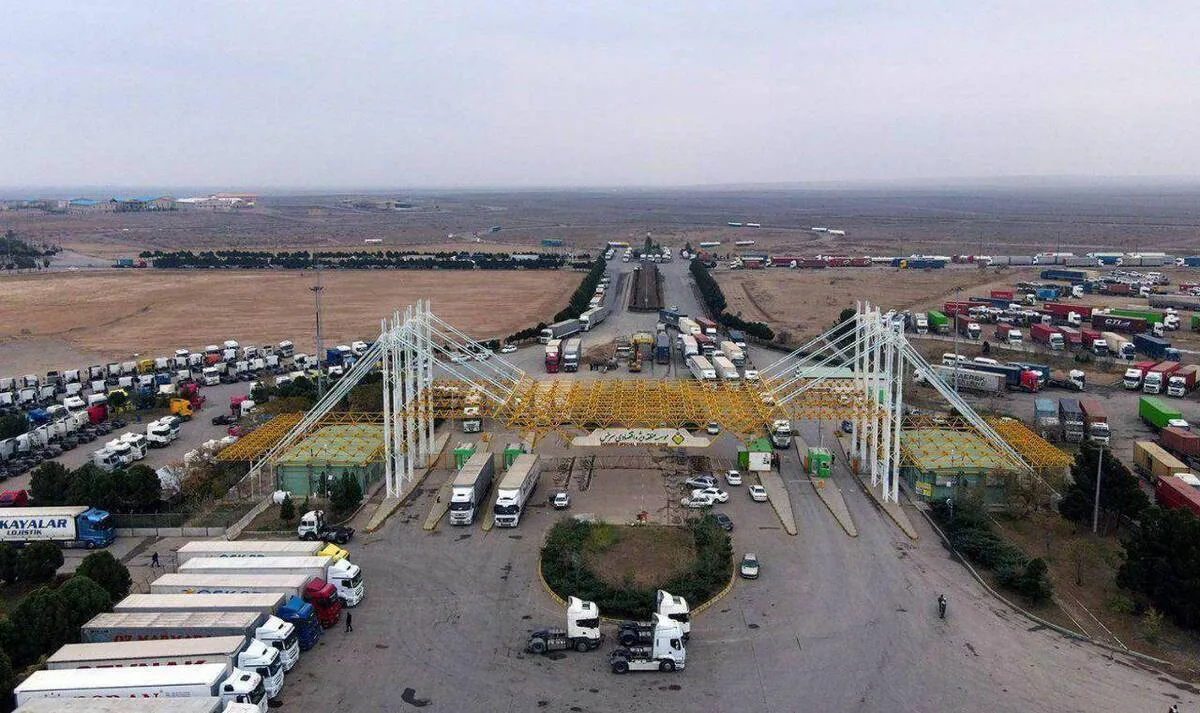
Senior national and provincial officials emphasized people‑centered development, sustainable investment and coordinated management as the Sarakhs Special Economic Zone (SEZ) began a new chapter in its administrative leadership.
A new phase of management began in the Sarakhs Special Economic Zone (SEZ) as senior officials outlined priorities focused on national development, local empowerment and economic transformation.
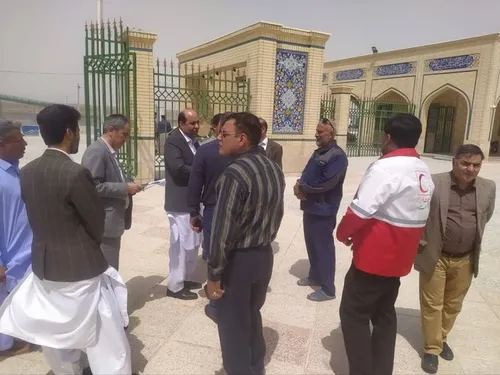
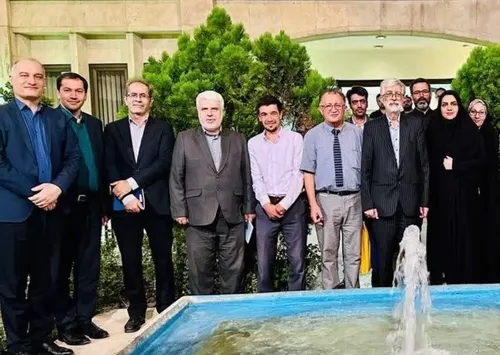
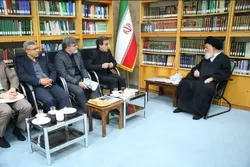
In a ceremony, held on the birth anniversary of Imam Mahdi (may God hasten his reappearance), the Custodian of Astan Quds Razavi (AQR), the Minister of Economic Affairs and Finance, the Governor of Khorasan Razavi Province and the Secretary of the Supreme Council of Free Zones met and discussed issues.
Speaking in the event, Ayat. Ahmad Marvi, the Custodian of Astan Quds Razavi, stressed: “Economic activity must remain aligned with ethical principles”.
“Imam Reza Shrine does not pursue profit‑seeking for its own sake and considers ignoring values in favor of financial gain contrary to religious teachings”, he said.
Ayat. Marvi emphasized that development in SEZ must primarily benefit its local population and that maximum use of local labor should be prioritized.
He also highlighted the long‑standing efforts that led to the establishment of the free zone and described public service as a divine trust requiring responsibility, sincerity and accountability.
The new managing director of SEZ, Rasoul Raeis‑Jafari, described the zone as an overlooked national asset with strategic economic, political and geopolitical importance.
He said: “The region’s value increases as maritime sanctions intensify, making SEZ a critical gateway for national resilience”.
He pledged that all actions in the zone would be based on national interests, sustainable employment and productive investment, with strong participation from the private sector.
The director also warned against two strategic errors: neglecting governmental responsibilities and interfering in areas where the private sector can operate effectively.
Also speaking in the meeting, Minister of Economic Affairs and Finance Ali Madanizadeh said investment in Sarakhs must directly improve local livelihoods.
“Revenues generated in the zone should first support development, employment and living standards in SEZ before contributing to provincial and national growth”, he noted.
The minister highlighted the zone’s potential for job creation, production expansion and regional economic diplomacy, and announced a new coordinated border-management model led by the Customs Organization to streamline trade and transit.
Elsewhere, Khorasan Razavi Governor Gholamhossein Mozaffari described SEZ as a decisive economic corridor at the intersection of east–west and north–south routes.
According to him, “Effective planning can enable the region to play a key role in national trade”.
At the end of the session, the Secretary of the Supreme Council of Free Zones, Reza Masroor, noted that SEZ holds significant promise for national economic recovery and must adopt an export‑oriented approach aligned with international trade routes.
Related News
Post comments
- Editor's suggestion
- Latest news
Islamic Revolution’s message transcends national borders
6th Imam Reza International Congress concludes
Intl. scholars explore Razavi justice, resistance against structures of domination
Researchers explore the Ahl al-Bayt’s (AS) distinctive perspectives on justice
Imam Reza Congress, vital platform for strengthening unity of Islamic Ummah
African thinker highlights inseparable link between Razavi teachings, governance model of Martyred Leader
Martyred Leader’s martyrdom resonates across religious boundaries in Latin America
Imam Reza Shrine remains a focal point of convergence for nations, religions
Human rights defined through Imam Reza’s teachings, human dignity: Scholar
Imam Reza’s teachings, “jihad of clarification” ensure invincibility of Resistance: Yemeni researcher
US researcher links Imam Reza’s foresight, Martyred Leader’s legacy to governance
International scholars examine human dignity and rights in light of Imam Reza’s teachings
Scholars examine formation of an independent and self-reliant resistance front against hegemonic powers
6th Imam Reza International Congress explores human rights, Razavi teachings
RUIS professor explains various dimensions of Abdul Azim Hassani’s lifestyle and teachings
Razavi shrine library, a treasury of Persian poets works
Imam Reza’s legal perspectives have gained global prominence
Global power redefined through Razavi teachings and reflected in a leadership model
IRIU, Ministry of Foreign Affairs forge scientific diplomacy ties
Future diplomats tour Imam Reza Shrine
Iraqi students visit Imam Reza Shrine
Campaigns