Imam Reza Shrine Outlines Roadmap for People-Centered Services and Smart Transformation

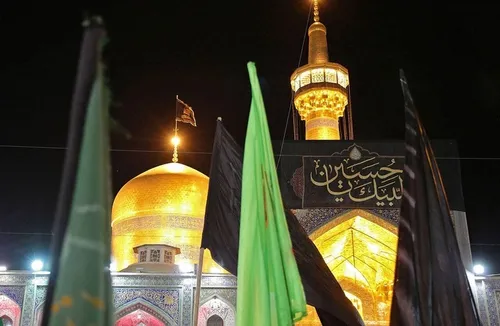
The chief director of Imam Reza Shrine highlighted people‑centered service, cultural innovation, digital transformation and improved pilgrimage experience as the core policies guiding the shrine’s future direction.
Reza Khorakian, the chief director of Imam Reza Shrine, presented an overview of the shrine’s strategic approach, recent achievements and plans for 2026. “The true measure of performance is not numerical reports but the peace and satisfaction pilgrims feel when they leave the shrine with a meaningful spiritual memory”.
He noted: “Many current initiatives are built on previous experiences but have now reached a more mature and structured stage”.
He emphasized that people‑centered service remains the shrine’s foremost priority, explaining, “The goal is for visitors to become partners in service rather than passive recipients. Programs such as “Service in Paradise” have enabled volunteers from different backgrounds to participate in shrine activities, creating social and spiritual benefits”.
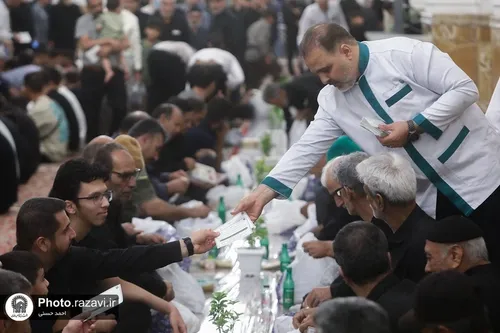
He pointed to traditional mourning ceremonies, public tea stations supported by charitable offerings, local cultural festivals, and advisory meetings with servants as further examples of community‑driven service.
He also highlighted cultural innovation, including monthly spiritual retreats alongside the traditional Rajab retreat, hosting Qur’an sessions, academic thesis defenses in the historic Do-Dar School, and specialized programs for women, children and teenagers.
“The shrine is moving toward becoming a smart shrine through digital transformation. Initiatives include an intelligent pilgrimage assistant, management dashboards with 30 subsystems, expanded electronic services and efforts to establish a wide‑band network and comprehensive Wi‑Fi coverage”, Khorakian said.
He added that the shrine provides cultural and religious services to pilgrims from nearly 100 countries and participates in national and international humanitarian activities. “Collaboration with universities and research centers, along with input from thousands of experts, supports long‑term planning”.
Khorakian also outlined major construction projects, including new porticos, restoration of historic structures, improved visitor facilities and sub‑surface infrastructure upgrades.
He concluded: “The shrine’s central mission remains enhancing the quality of pilgrimage, facilitating access and deepening religious understanding, a path that will continue with greater strength in 2027”.
Post comments
- Editor's suggestion
- Latest news
Iran and Iraq form a united front against aggression, Iraqi organizer says
Ceremony honors Hussaini Mukibs at Imam Reza Shrine
Love for Ahl al-Bayt is an unbreakable bond between Iranian and Iraqi nations: Custodian
Imam Reza Shrine hosts ceremony honoring Iraqi Mukib operators
Iraqi Mukib operators voice brotherhood at Imam Reza Shrine
Festive atmosphere engulfs Imam Reza Shrine on Hazrat Zeinab’s birth anniversay
Imam Reza Shrine marks Hazrat Zeinab’s birth anniversary
Intl. architects unite to heal grief over Minab school martyrs
Requirements for Imam Reza International Congress assembly reviewed at Qom University
Engineering, maintenance, and restoration projects enhance pilgrim comfort at Imam Reza Shrine
Two Razavi servants from Markazi Province named among the world’s top 2% of scientists
Imam Reza Shrine’s English-speaking mourning group promotes the teachings of the Ahl al-Bayt (AS)
Tribes play key role in protecting national security, territorial integrity, economy: AQR Custodian
Deputy minister of cultural heritage, tourism and handicrafts visits AQR Central Library
Decline of Takfiri movements indicates success in promoting Islamic unity
IRIU contributes to international publication on quantum security
Prayer promotion starts with worshipers’ conduct: Custodian
IRIU announces publication of international book on quantum security
AQR publishes Quran pages attributed to handwriting of Imam Hossein (AS)
Introductory “In’ash al-Aql” course concludes with head of AQR Quranic Center in attendance
AQR Custodian Offers Condolences on Passing of Grand Ayatollah Shobeiri Zanjani
Campaigns