Public Endowments in Astan Qods Razavi
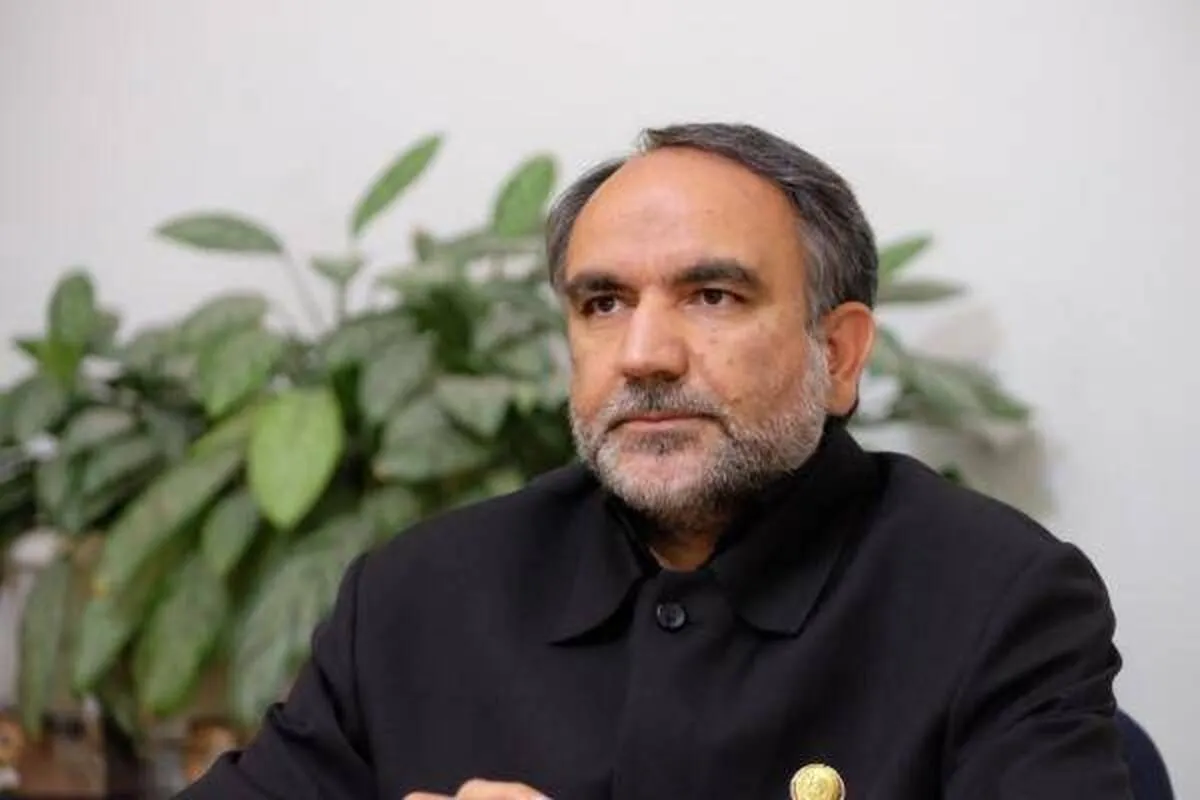
Alireza Esmaeilzadeh, Director General of Endowments of Astan Qods Razavi (AQR), elaborates on the mechanisms of trusteeship, financial transparency, and the role of public endowments in the development of the holy shrine and its social services.
The interview in detail follows:
What is the history of AQR endowments, and since when are its documents available?
Based on documents preserved at the Imam Reza Holy Shrine, written records of vows date back at least to 1111 AH. These records, maintained in the AQR library, show that people's vows and donations were documented with specific intentions and executed exactly according to those intentions. Historically, Astan Qods Razavi has relied on endowments and public vows rather than government budgets.
What is the importance of trusteeship in endowments, and how is it implemented?
Trusteeship is the cornerstone of endowment management. The intentions of endowers are carried out precisely. Endowment deeds are officially registered, and the execution of their intentions is carefully monitored. From the moment a vow is received, the process of documentation, intention recording, budget allocation, and supervision begins. Each endowment and vow is assigned a unique code, and its budget is managed separately.
How are cash vows collected in the holy chamber and donation boxes spent?
Donations and vows given with a general intention, such as those collected in the holy chamber, are used by the custodian for printing holy Qurans, shrine construction, social services, and cultural programs. All expenditures are recorded in a transparent financial system and are fully reportable.
What role do public endowments play in the development and expansion of the holy shrine?
Major projects such as the Imam Hossein Portico, Amir al-Momenin Portico, the AQR Central Museum, expansion of underground porticos, roof beautification, lighting, and upgrades to safety systems are funded directly through public endowments. Additionally, maintenance, restoration of artworks, and preservation of this valuable historical heritage are supported from the same source.
Where are non-cash public endowments mostly used?
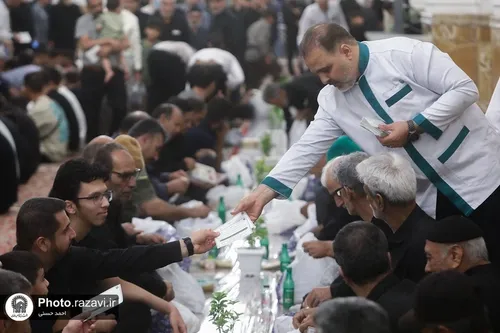
A significant portion of non-cash endowments—such as rice, legumes, saffron, meat, and livestock—is utilized in the Imam Reza guesthouse. Approximately 8,000 blessed meals are prepared daily from these endowments and distributed among pilgrims.
What role do public endowments play in AQR’s social services?
In recent years, endowments have expanded into social services, implemented by the Razavi Karamat Foundation. These services include supporting youth and infertility treatment, assisting needy families, providing dowries and marriage aid, offering medical services in Dar al-Shifa centers and Imam Reza Hospital, distributing livelihood packages, meat, clothing, stationery, and supporting orphans and disadvantaged children.
Are small donations effective?
Indeed, a significant portion of endowment resources comes from small public vows. These seemingly minor contributions, when combined, enable large-scale construction, medical, and social projects. The value of the vow is less important than the sincerity and intention of the donor.
What measures have been taken for transparency?
The Comprehensive Endowments System manages receipt and reporting. Donors receive SMS notifications, and annual and periodic reports are published and shared via media and social networks. Additionally, Astan Qods Razavi employs independent auditors and trusted supervisors to oversee all vows and donations.
What is your final message for pilgrims and lovers of Imam Reza (AS)?
Anyone, anywhere in Iran or the world, can express their love and devotion to Imam Reza (AS), whether by visiting the shrine or from afar. Even a small vow contributes to a great divine movement. Astan Qods Razavi considers itself the trustee of the people’s trust and strives to manage it with utmost care, transparency, and sincerity in serving pilgrims and society.
Related News

Post comments
- Editor's suggestion
- Latest news
IRIU, Ministry of Foreign Affairs forge scientific diplomacy ties
Future diplomats tour Imam Reza Shrine
Iraqi students visit Imam Reza Shrine
Razavi University, al-Mustafa International University launch joint cooperation center
Malek Museum unveils exhibition on devotion to Prophet Muhammad
Khorasan Razavi MPs support AQR development plans for Imam Reza Shrine
AQR research deputies strengthen international synergy
Darvazeh Bathhouse reflects Safavid-era history in Mashhad: Expert
Sunni influencer recalls shattered stereotypes during visit to Imam Reza Shrine
International Islamic Unity Conference continues strategic vision of Iran’s leaders
Iran is a unique model of peaceful coexistence: Muslim activist
Imam Reza Shrine plays pivotal role in Islamic unity: Bahraini scholar
40th Islamic Unity Conference concludes in Mashhad
40th Islamic Unity Conference concludes in Mashhad
Imam Reza Shrine adorned for birth anniv. of Prophet, Imam Sadiq
Arab pilgrims honor birth anniv. of Prophet, Imam Sadiq
Afghan collector donates rare stamps to AQR
Imam Reza Intl. University, Razavi University expand international cooperation
AQR Custodian meets martyr Larijani's family members
Intl. landscape design and memorial space competition for Shajareh Tayyebeh School martyrs' cemetery
Dust-cleaning ceremony held at Imam Reza Shrine
Campaigns