Fasting in Christianity; from 40 days of fasting in desert to the Lent
Fasting is a common tradition among divine religions; a worship that is sometimes a sign of repentance and return and sometimes a spiritual practice for gaining virtue. Fasting has diverse forms and an old history in Christianity as well; from forty days of fasting by Prophet Jesus Christ in the desert to institutionalized rituals of the church.
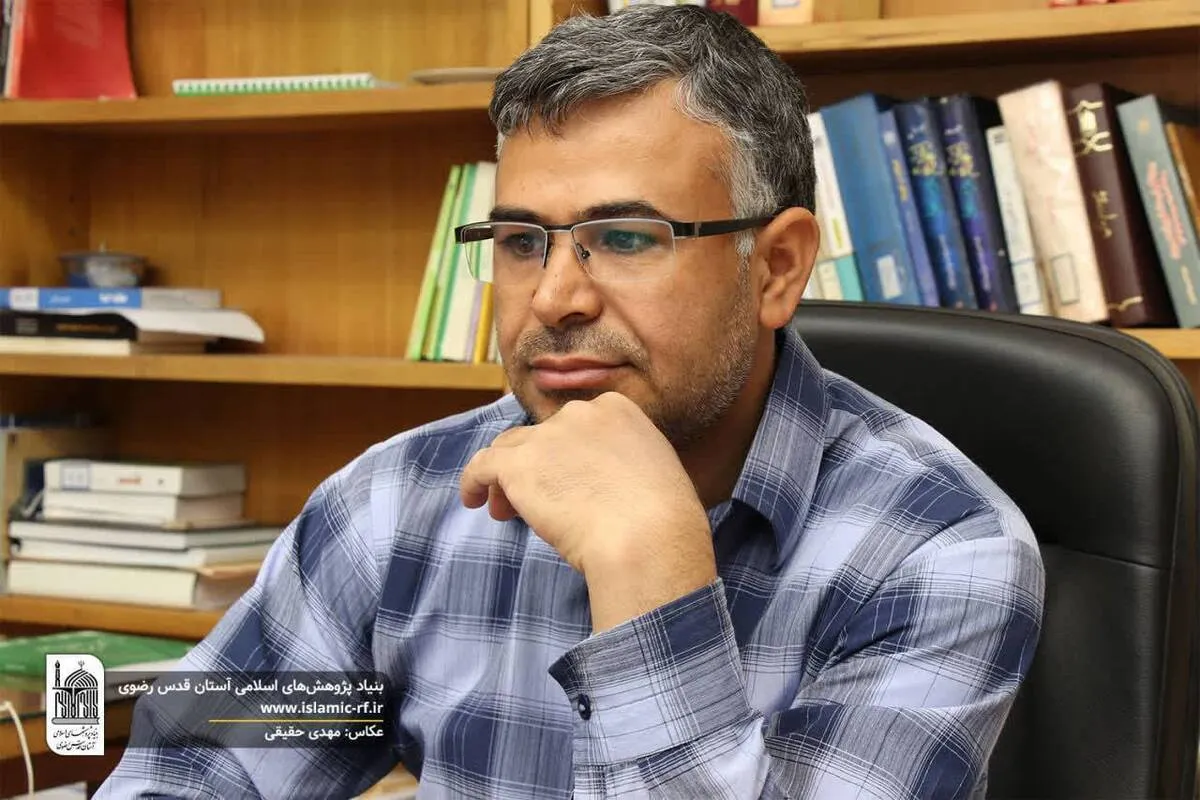
Ali Akbar Chenarani, researcher of the department of religions at Astan Qods Razavi’s Islamic Research Foundation shared with us his views about position of fasting in Christianity
Starting from a general perspective, how do you elaborate meaning and history of fasting in Christianity?
Fasting is practiced in almost all religions. It has been considered as a way of warding off evils and attracting goods in many cultures. In more advanced religious traditions, fasting is considered as a way of strengthening spiritual dimension and overcoming materialistic issues.
There are also clear examples of fasting in traditions of prophets; Moses was fasting before he received the Torah and Buddha did the same before reaching Ishraq (spiritual illumination). Jesus, before kicking off his religious service, was fasting for forty days. Also, in the Islamic narrations, fasting has been introduced as one of the main attributes of Jesus".
So, it is possible to say that the original pattern of fasting in Christianity returns to the 40 days of fasting by Jesus Christ?
Yes, exactly. According to the Gospel of Matthew, Jesus went into the wilderness for forty days after being baptized. He faced temptations of the devil during those days and could overcome them”.
Christians consider the event as a symbol of Christ's victory over temptations of Satan and they observe Lent as a memory of this event; so, it can be said that the history of fasting goes back to this event.
How about the New Testament? Is there a clear order about the time or quality of fasting?
The remarkable thing is that there is no explicit order in the New Testament about a month or a particular week for fasting, contrary to what we see in Islam about Ramadan.
Although fasting has been emphasized in some verses and its spiritual effects have been mentioned, it was the Christians themselves who determined some days in accordance with religious events as days of fasting. Act of fasting was initially a more personal habit, but it was gradually institutionalized in the church.
How did this institutionalization happen?
Fasting found an important place in the church after Jesus. His pupils were fasting during important occasions; it was quoted as saying that john was fasting for three days with other pupils before writing the fourth gospel.
Some days such as Fridays and Wednesdays gradually became days of fasting in memory of some incidents during the history of the religion. Refusal to eat was considered as symbol of victory over worldly tendencies.
Do these austerities continue during history?
No, some changes happened during history. Difficulties of fasting subsided since the end of the Middle Ages. Fasting become more political at the same time.
With initiation of reformation and formation of Protestantism, some of the Catholic Church's actions were questioned. For instance, Martin Luther questioned some traditions including pilgrimage, fasting and confession. For this reason, fasting is less attended than Catholic and Orthodox branches in protestant tradition.
What are the most important days for fasting in Christianity now?
The most important period of fasting in Christianity is the " Lent " which was determined for forty days in the fourth century as preparation of Easter. The course starts from Ash Wednesday and continues up to days before Easter.
What are rules of fasting in Catholic Church?
After the second Vatican council, fasting was restricted to "Ash Wednesday" and "Good Friday”. The faithful should observe fasting and the abstinence during these days; that is, to avoid eating meat and to have only one main dish during the day.
Age eligibility for fasting is 21. The aim of fasting is to control sensual tendencies, austerity, and sympathy with the poor.
How about Orthodox Church?
Fasting periods are stricter in Eastern Orthodox religion. There are some other occasions for fasting in addition to the conventional forty days of fasting.
In many of these days, consumption of meat, dairy and eggs is prohibited, and in some days even eating fish is not allowed. Wednesdays and Fridays are generally considered the day of fasting, except in special occasions.
What is spiritual view of Christianity on fasting?
It is emphasized that fasting should be kept away from hypocrisy and practiced for God's sake only. In his preaching above a mount, Prophet Jesus Christ says when fasting, do not take a special face revealing your fasting, rather keep it between yourself and God.
Post comments
- Editor's suggestion
- Latest news
Imam Reza Shrine holds mourning ceremonies to mark martyrdom anniversary of Hazrat Fatima
University of Qom hosts meeting to review preparations for specialized session of Imam Reza International Congress
Razavi manuscript treasury keeps Quran attributed to Imam Hussein (AS)
AQR Custodian urges elite youth to link science with divine gratitude
Top elite students, top national exam scorers honored at Imam Reza Shrine
Top exam scorers and science Olympiad medalists meet AQR Custodian
Top national exam stars, academic elites visited Imam Reza Shrine
Iran and Iraq form a united front against aggression, Iraqi organizer says
Ceremony honors Hussaini Mukibs at Imam Reza Shrine
Love for Ahl al-Bayt is an unbreakable bond between Iranian and Iraqi nations: Custodian
Imam Reza Shrine hosts ceremony honoring Iraqi Mukib operators
Iraqi Mukib operators voice brotherhood at Imam Reza Shrine
Festive atmosphere engulfs Imam Reza Shrine on Hazrat Zeinab’s birth anniversay
Imam Reza Shrine marks Hazrat Zeinab’s birth anniversary
Intl. architects unite to heal grief over Minab school martyrs
Requirements for Imam Reza International Congress assembly reviewed at Qom University
Engineering, maintenance, and restoration projects enhance pilgrim comfort at Imam Reza Shrine
Two Razavi servants from Markazi Province named among the world’s top 2% of scientists
Imam Reza Shrine’s English-speaking mourning group promotes the teachings of the Ahl al-Bayt (AS)
Tribes play key role in protecting national security, territorial integrity, economy: AQR Custodian
Deputy minister of cultural heritage, tourism and handicrafts visits AQR Central Library
Campaigns