Targeting enemy bases in third countries, legitimate according to intl. law: Legal expert
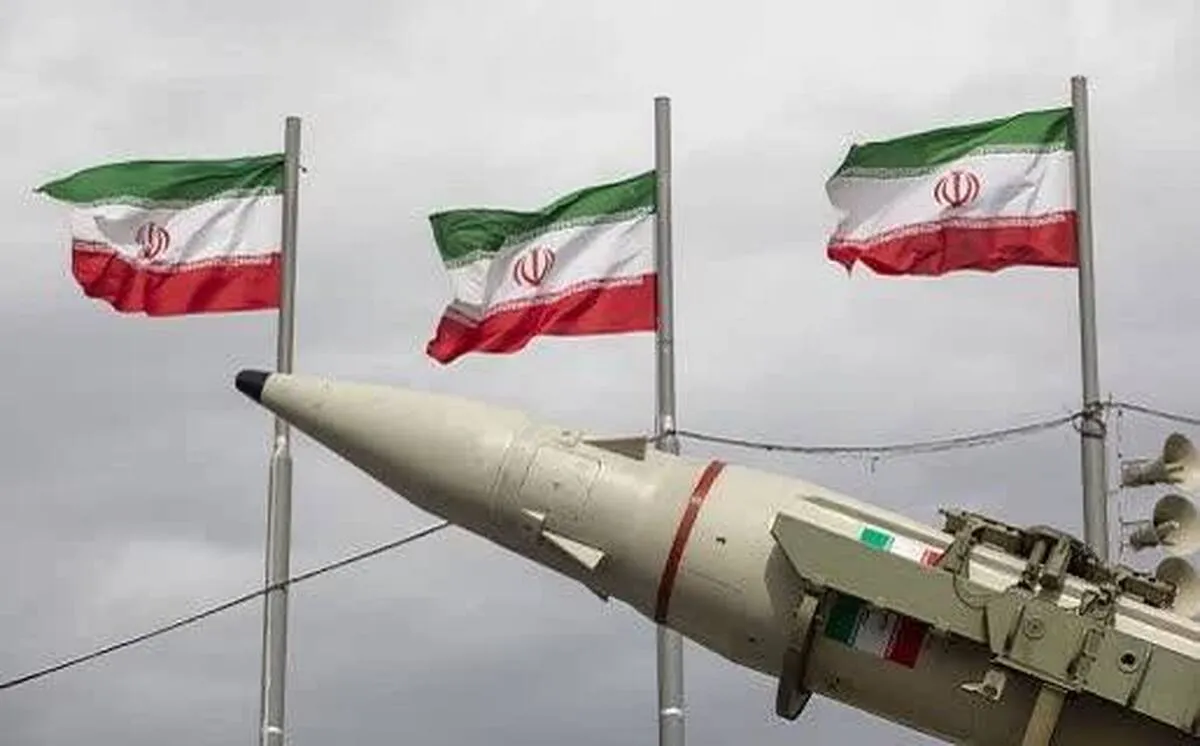
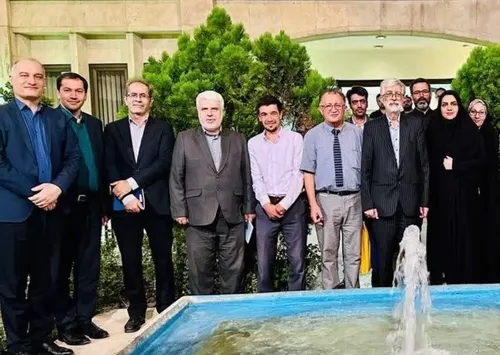
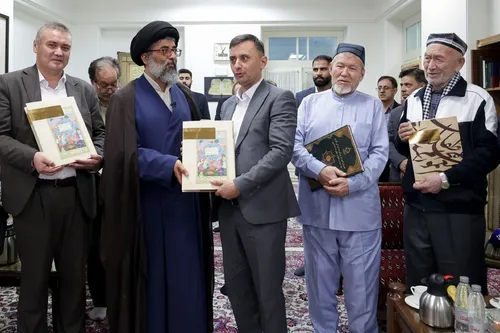
According to international law, attacking military bases in third countries which have been used in attacks against Iran is legitimate provided that principles of necessity, proportionality and differentiation are taken into account, says Hoj. Seyyed Sadeq Mousavinejad, an expert of international law and secretary of Fiqh of international relations circle at Higher School of Jurisprudence at Imam Reza Shrine.
Hoj. Mousavinejad analytically discussed possibility of attacking military bases located in the territory of third countries that are used to carry out attacks both within the framework of public international law and rules resorting to force (Jus ad Bellum).
According to this note, Article 51 of the United Nations Charter which recognizes inherent right of legitimate defense for states in the event of "armed attack" is starting point of this analysis. The note asserts that if a government is attacked by an armed aggression, it can do defensive action to ward off and stop the attack. In the doctrine of international law, it is widely accepted that legitimate defense can include action against "resources and platforms of attack" i.e. installations or bases that are actually used to carry out military operations against the target state.
Mousavinejad quoted Yoram Dinstein, a salient law expert, saying “If an attack was organized or carried out from a certain military base, that base could be considered as a legitimate defense target”.
Also, from the perspective of the law of armed conflicts, principle of "military target" strengthens this possibility. According to Article 52 of the First Annex to the Geneva Conventions 1977, military targets include objects that by nature, location, purpose or contribute to military action effectively. If a base in third-country territory is effectively used to carry out military operations against the other state, it can be argued that it is legitimate for a military action.
Another important issue is the role and consent of the host state. If the host state consciously allows the aggressor to use its territory or bases to carry out military operations against the other state, some legal analyses would place it in close proximity to "co belligerency". Christian Gary points out that giving territory to carry out military operations against the other state may expose the host state to the argument that they are involved in the ongoing conflict.
The paragraph also clearly states that “In several cases, states cite the concept of legitimate defense to justify military action in the territory of a third country. The US government in 2001, for instance, run a military operation in Afghanistan on the basis of the right of legitimate defense stipulated in Article 51 following 9/11 attacks, stating that . The US government mentioned this in a letter to the Security Council”.
The note; however, emphasized that even within the framework of such an argument, international law imposes significant restrictions on legitimate defense. In its vote on "Nicaragua against the United States", the International Court of Justice emphasized that the legitimate defense would conform to the criteria of "necessity" and "proportionality". In the case of the "oil rigs” also, the court asserted that defensive measures should be necessary to ward off the attack and they should observe proportionality and range of intensity.
Therefore, if an attack against Iran is carried out through military bases based in the territories of the third countries and those bases have a direct and effective role in implementation of military operations, it can be argued in the framework of Article 51 of the United Nations Charter, citing the concept of military objectives in the law of armed conflicts, that targeting these bases in case of respecting principles of necessity, proportionality and differentiation can be justified, from perspective of practice and doctrine of some states, as a form of legitimate defense.
Related News

Post comments
- Editor's suggestion
- Latest news
IRIU, Ministry of Foreign Affairs forge scientific diplomacy ties
Future diplomats tour Imam Reza Shrine
Iraqi students visit Imam Reza Shrine
Razavi University, al-Mustafa International University launch joint cooperation center
Malek Museum unveils exhibition on devotion to Prophet Muhammad
Khorasan Razavi MPs support AQR development plans for Imam Reza Shrine
AQR research deputies strengthen international synergy
Darvazeh Bathhouse reflects Safavid-era history in Mashhad: Expert
Sunni influencer recalls shattered stereotypes during visit to Imam Reza Shrine
International Islamic Unity Conference continues strategic vision of Iran’s leaders
Iran is a unique model of peaceful coexistence: Muslim activist
Imam Reza Shrine plays pivotal role in Islamic unity: Bahraini scholar
40th Islamic Unity Conference concludes in Mashhad
40th Islamic Unity Conference concludes in Mashhad
Imam Reza Shrine adorned for birth anniv. of Prophet, Imam Sadiq
Arab pilgrims honor birth anniv. of Prophet, Imam Sadiq
Afghan collector donates rare stamps to AQR
Imam Reza Intl. University, Razavi University expand international cooperation
AQR Custodian meets martyr Larijani's family members
Intl. landscape design and memorial space competition for Shajareh Tayyebeh School martyrs' cemetery
Dust-cleaning ceremony held at Imam Reza Shrine
Campaigns