Books, culture shape martyred Leader’s intellectual legacy
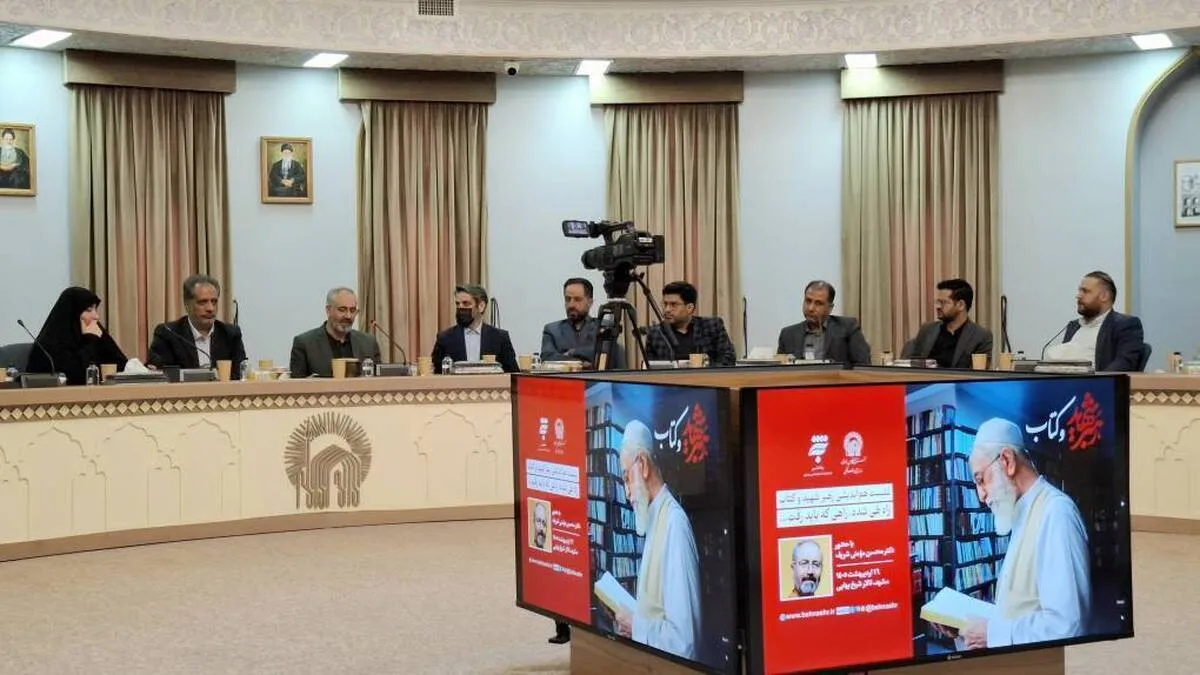
Speakers at a Behnashr forum outlined how wide-ranging reading informed martyred Leader Ayatollah Seyyed Ali Khamenei’s historical understanding, cultural vision, and future-oriented thought.
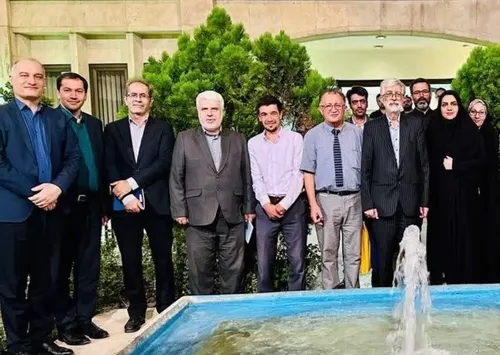
A scholarly forum titled “The Martyred Leader and Books: The Path Already Taken, the Path Ahead” was held under the auspices of Behnashr Publishing at the scientific and Cultural Organization of Astan Qods Razavi (AQR). Participants examined the intellectual character of the martyred Leader Ayatollah Seyyed Ali Khamenei and the formative role books played in his worldview.
Speaking at the forum, Masoud Farzaneh, CEO of Behnashr, maintained: “Revisiting the martyred Leader’s cultural conduct can guide society in turbulent times”.
He asserted: “Nothing can replace books in our lives, and the martyred Leader was one of the most influential figures in strengthening Iran’s bond with reading.”
Farzaneh emphasized that continued dialogue with scholars familiar with the martyred Leader’s intellectual approach is essential for preserving his scientific and cultural legacy.
He expressed hope that such gatherings would reinforce the country’s cultural foundations and deepen public understanding of his literary conduct.
Elsewhere, author and researcher Mohsen Momeni Sharif explained that books were not merely tools of study for the martyred Leader; rather, they were gateways to understanding history, society, and global transformations.
He noted: “The martyred Leader’s engagement with historical novels allowed him to gain novel perspectives on social dynamics. His reading shaped a strategic and civilizational outlook that defined his intellectual identity.”
He stressed that the concept of authentic intellectualism has been diluted in modern discourse, whereas the martyred Leader embodied its true form through deep historical knowledge, precise grasp of national realities, and an ability to outline future horizons.
Momeni Sharif added that the martyred Leader interpreted history through “divine traditions,” principles he believed governed the movement of societies, giving him notable clarity in analyzing events.
He further highlighted the breadth and discipline of the martyred Leader’s personal library, calling it one of the country’s richest collections of humanities sources.
The author explained that the martyred Leader’s attention to literature, including works of the Sacred Defense, stemmed from his conviction that Iran’s cultural spirit was vividly revealed in that era.
Related News

Post comments
- Editor's suggestion
- Latest news
IRIU, Ministry of Foreign Affairs forge scientific diplomacy ties
Future diplomats tour Imam Reza Shrine
Iraqi students visit Imam Reza Shrine
Razavi University, al-Mustafa International University launch joint cooperation center
Malek Museum unveils exhibition on devotion to Prophet Muhammad
Khorasan Razavi MPs support AQR development plans for Imam Reza Shrine
AQR research deputies strengthen international synergy
Darvazeh Bathhouse reflects Safavid-era history in Mashhad: Expert
Sunni influencer recalls shattered stereotypes during visit to Imam Reza Shrine
International Islamic Unity Conference continues strategic vision of Iran’s leaders
Iran is a unique model of peaceful coexistence: Muslim activist
Imam Reza Shrine plays pivotal role in Islamic unity: Bahraini scholar
40th Islamic Unity Conference concludes in Mashhad
40th Islamic Unity Conference concludes in Mashhad
Imam Reza Shrine adorned for birth anniv. of Prophet, Imam Sadiq
Arab pilgrims honor birth anniv. of Prophet, Imam Sadiq
Afghan collector donates rare stamps to AQR
Imam Reza Intl. University, Razavi University expand international cooperation
AQR Custodian meets martyr Larijani's family members
Intl. landscape design and memorial space competition for Shajareh Tayyebeh School martyrs' cemetery
Dust-cleaning ceremony held at Imam Reza Shrine
Campaigns