First Persian book examines history of Christian pilgrimage: Researcher
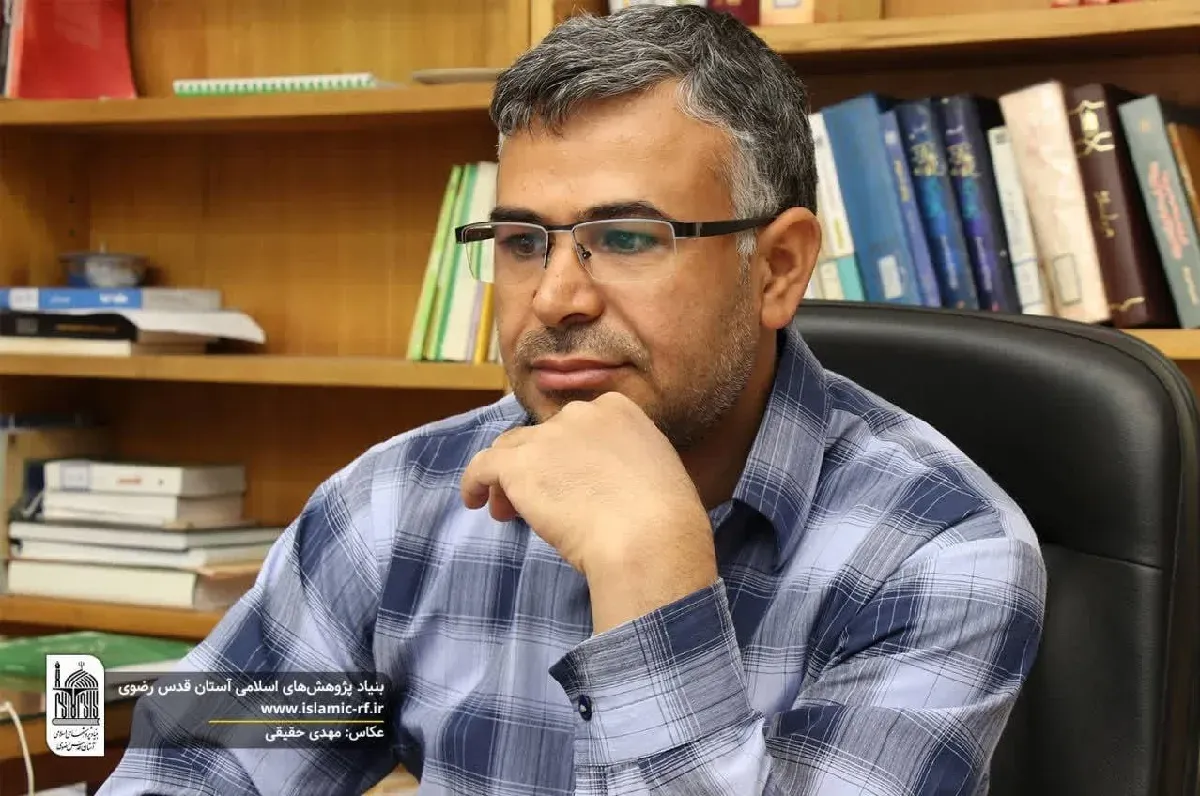
A researcher affiliated with Astan Qods Razavi (AQR) introduces pioneering Persian study exploring origins, historical transformations of pilgrimage tradition in Christianity.
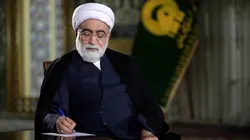
Aliakbar Chenari, researcher at the Islamic Research Foundation of Astan Qods Razavi (AQR), the body in charge of Imam Reza Shrine, has authored a new book titled “An Introduction to Pilgrimage in Christianity,” aiming to address the lack of systematic Persian‑language studies on Christian pilgrimage.
“Although many Persian works discuss Christian history and theology, the subject of pilgrimage has rarely been examined independently”, Chenari explained.
He stated: "Main issue of this book is to study transformations of Christian pilgrimage from its emergence until contemporary period, and analyze its role in religious, social, and political developments of Christianity."
He noted that while Western scholars have produced numerous studies on this topic, only a small portion has been translated into Persian.
According to the author, the book is structured in five chapters to trace the evolution of pilgrimage across more than two thousand years of Christian history.
Chenari explained: "First chapter addresses general concepts, terminology related to pilgrimage, while second chapter focuses on origins of Christian pilgrimage in early centuries."
This section explores several foundations of the practice, including Jewish and biblical influences, the historical role of Constantine and his mother Helena, as well as the impact of Greek and Roman religious traditions and local cultures.
According to him, the third chapter examines the medieval period, widely considered the golden age of pilgrimage, along with factors that later contributed to its decline.
Chenari stated: "One of important topics in this chapter is role of sacred relics in expansion of pilgrimage centers across Europe, as well as political, identity-building function of pilgrimage among Christians."
The chapter also analyzes issues such as financial exploitation and institutionalized penitential systems that weakened the tradition in late medieval times.
The final chapters focus on modern developments. Chenari explained that the fourth chapter studies Protestant opposition to pilgrimage, particularly Martin Luther’s criticism during the Reformation.
He added: "Fifth chapter examines modern era and explores why interest in pilgrimage has increased again despite modernity, including its relationship with tourism industry."
Chenari emphasized that the book also offers analytical insights valuable for comparative religious studies.
"Many challenges that appeared in history of Christian pilgrimage may emerge in different forms in Islamic pilgrimage as well", he maintained.
He concluded that the study aims to deepen understanding of pilgrimage as a religious and cultural phenomenon in the contemporary world.
Related News
Post comments
- Editor's suggestion
- Latest news
IRIU, Ministry of Foreign Affairs forge scientific diplomacy ties
Future diplomats tour Imam Reza Shrine
Iraqi students visit Imam Reza Shrine
Razavi University, al-Mustafa International University launch joint cooperation center
Malek Museum unveils exhibition on devotion to Prophet Muhammad
Khorasan Razavi MPs support AQR development plans for Imam Reza Shrine
AQR research deputies strengthen international synergy
Darvazeh Bathhouse reflects Safavid-era history in Mashhad: Expert
Sunni influencer recalls shattered stereotypes during visit to Imam Reza Shrine
International Islamic Unity Conference continues strategic vision of Iran’s leaders
Iran is a unique model of peaceful coexistence: Muslim activist
Imam Reza Shrine plays pivotal role in Islamic unity: Bahraini scholar
40th Islamic Unity Conference concludes in Mashhad
40th Islamic Unity Conference concludes in Mashhad
Imam Reza Shrine adorned for birth anniv. of Prophet, Imam Sadiq
Arab pilgrims honor birth anniv. of Prophet, Imam Sadiq
Afghan collector donates rare stamps to AQR
Imam Reza Intl. University, Razavi University expand international cooperation
AQR Custodian meets martyr Larijani's family members
Intl. landscape design and memorial space competition for Shajareh Tayyebeh School martyrs' cemetery
Dust-cleaning ceremony held at Imam Reza Shrine
Campaigns