Intl. scholars explore Razavi justice, resistance against structures of domination
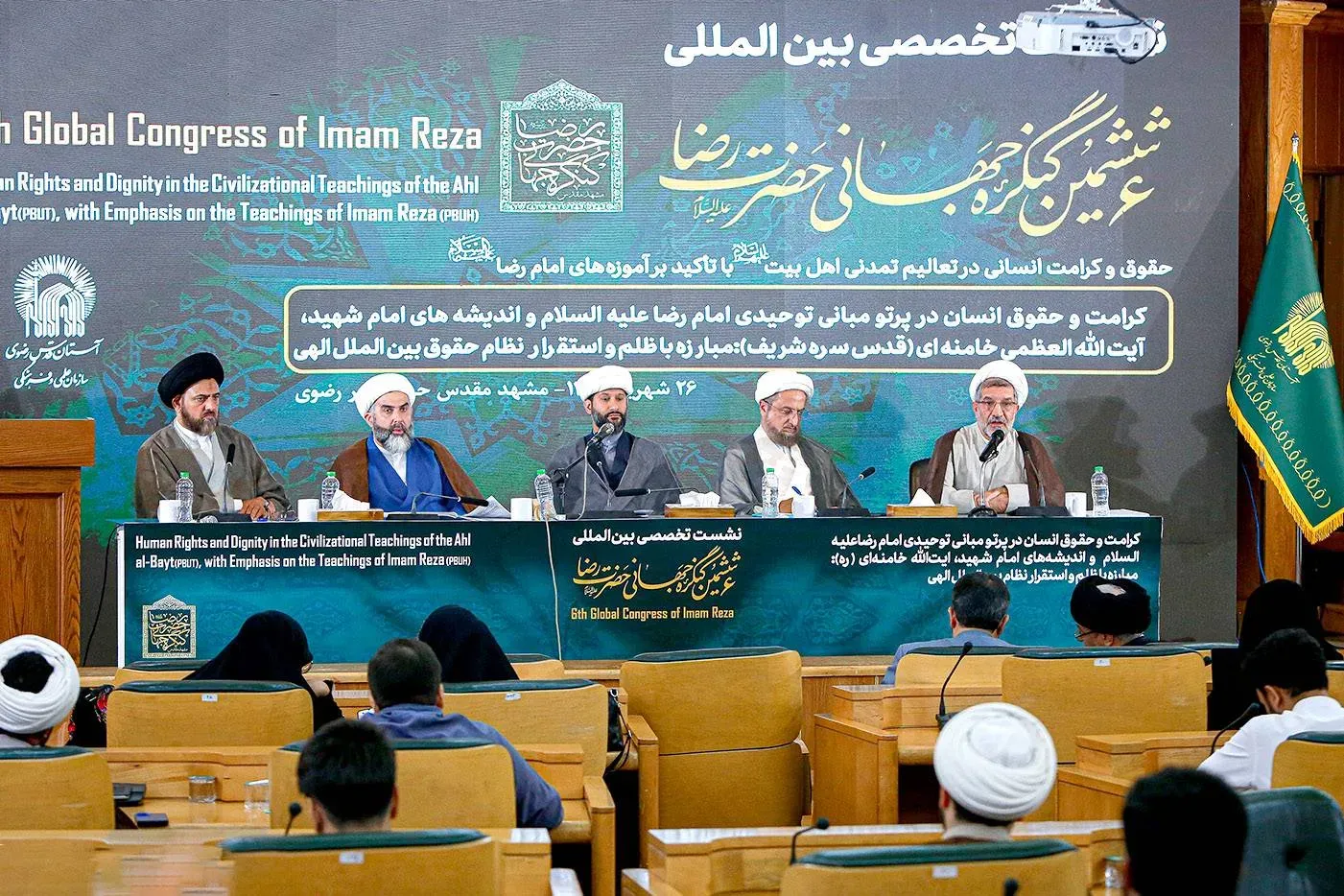
Scholars from around the world gathered in Mashhad to explore how resistance and Imam Reza’s teachings can contribute to shaping a new civilizational model.
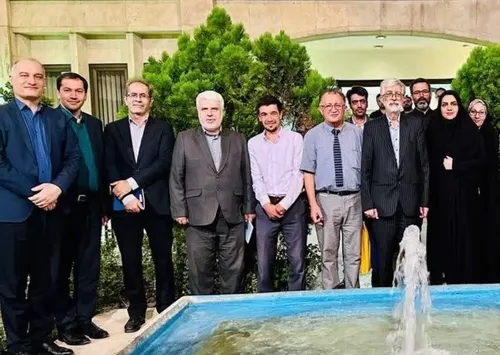
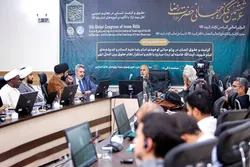
The 6th Imam Reza International Congress recently convened a series of specialized international panels in Mashhad, northeastern Iran, bringing together thinkers from diverse regions, including Lebanon, Palestine, Canada, Australia, and Brazil.
The sessions focused on how the teachings of Imam Reza (AS) can address contemporary human challenges and whether resistance can evolve from merely opposing hegemony into constructing a viable civilizational model.
The discussions quickly moved beyond theoretical concepts, addressing tangible realities such as energy security in Gaza, the identity struggles of Muslim youth in Western societies, and the pervasive impact of algorithms on modern thought. The central question posed to participants was whether a society seeking to reject oppressive systems also possesses a clear vision for the future it intends to build.
Speaking at the event, Hoj. Hamid Parsania, a sociologist and member of the Supreme Council of the Cultural Revolution, emphasized that hegemony is no longer limited to military occupation.
“Monotheism must move beyond a simple creed and integrate into social action,” he argued.
Similarly, Dr. Abdolhamid Talebi, head of the Scientific and Cultural Organization of Astan Qods Razavi (AQR), stressed, “Globalizing Imam Reza’s knowledge requires long-term planning and moving beyond traditional discourse to engage with modern questions of morality and justice.”
Elsewhere, international speakers explored the multidimensional nature of power. Rony Alfa, a Lebanese thinker, said, “True power is not built on weapons alone; it is established through education, science, the economy, and culture.”
Scholars such as Dr. Rania Fadel challenged the conventional definition of power, suggesting that the search for a new Islamic civilization must focus on transforming the logic of power and rooting it in divine values rather than merely replacing existing global actors.
A significant portion of the discussions focused on the martyred Leader, Ayatollah Seyyed Ali Khamenei, whose strategic thought on resistance and governance provided a framework for many participants.
The consensus among the scholars was that true resistance requires an internal transformation—a “struggle against the self”—before it can manifest as social or political resistance.
The sessions also highlighted that an ethical society must be judged by how it treats vulnerable groups, including minorities and those with the least social power.
The congress underscored the importance of dialogue, a hallmark of the scholarly debates associated with Imam Reza (AS).
Participants agreed that intellectual differences should not lead to the erosion of human dignity.
In conclusion, the organizers emphasized that while resistance provides the power to reject hegemony, civilization is defined by what is built in its place. The event demonstrated that the path forward lies in integrating science, ethics, and justice to create a resilient and independent society.
Related News
Post comments
- Editor's suggestion
- Latest news
Islamic Revolution’s message transcends national borders
6th Imam Reza International Congress concludes
Intl. scholars explore Razavi justice, resistance against structures of domination
Researchers explore the Ahl al-Bayt’s (AS) distinctive perspectives on justice
Imam Reza Congress, vital platform for strengthening unity of Islamic Ummah
African thinker highlights inseparable link between Razavi teachings, governance model of Martyred Leader
Martyred Leader’s martyrdom resonates across religious boundaries in Latin America
Imam Reza Shrine remains a focal point of convergence for nations, religions
Human rights defined through Imam Reza’s teachings, human dignity: Scholar
Imam Reza’s teachings, “jihad of clarification” ensure invincibility of Resistance: Yemeni researcher
US researcher links Imam Reza’s foresight, Martyred Leader’s legacy to governance
International scholars examine human dignity and rights in light of Imam Reza’s teachings
Scholars examine formation of an independent and self-reliant resistance front against hegemonic powers
6th Imam Reza International Congress explores human rights, Razavi teachings
RUIS professor explains various dimensions of Abdul Azim Hassani’s lifestyle and teachings
Razavi shrine library, a treasury of Persian poets works
Imam Reza’s legal perspectives have gained global prominence
Global power redefined through Razavi teachings and reflected in a leadership model
IRIU, Ministry of Foreign Affairs forge scientific diplomacy ties
Future diplomats tour Imam Reza Shrine
Iraqi students visit Imam Reza Shrine
Campaigns