Endowment, invisible infrastructure for experiencing pilgrimage: AQR’s deputy
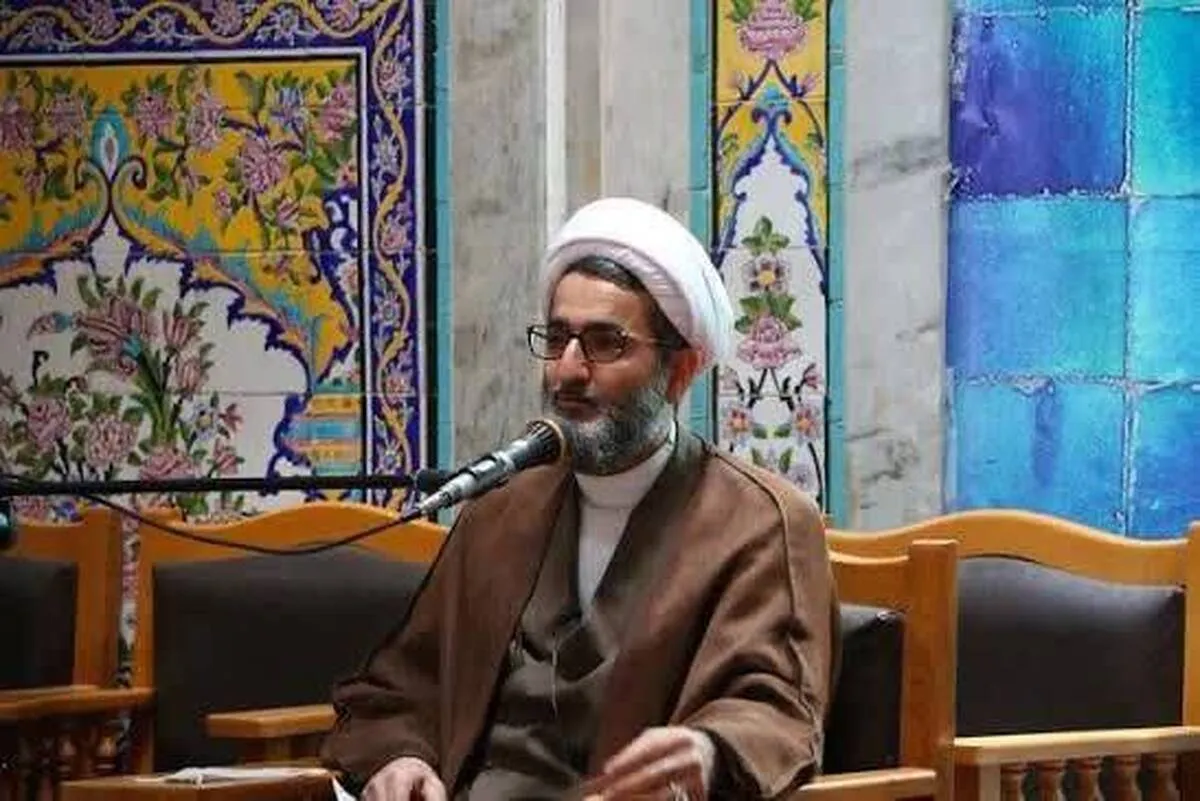
Hoj. Mostafa Faghih Esfandiari says the administration of Imam Reza Shrine rests on an organized system of endowments and vows, noting their transformation into modern managerial models.
Faghih Esfandiari, deputy for International Affairs at Astan Qods Razavi, believes that Imam Reza Shrine is not sustained solely by emotion and devotion, but by “a transparent financial and legal system” that bears the heavy costs of space development and extensive services for pilgrims.
“Although endowments and vows are commonly viewed as individual devotional acts, within Astan Qods Razavi these long-standing traditions have evolved into ‘organizational models’”, the deputy noted.
He stated that the shrine now operates through a management system that applies endowments and vows using precise legal and cultural mechanisms. “This shift has turned endowments into the backbone of administering Imam Reza Shrine and the main foundation for scientific and service-based initiatives inside the complex”.
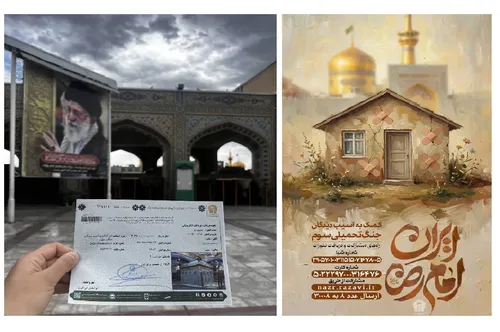
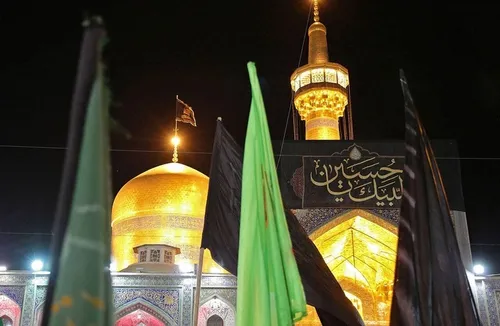
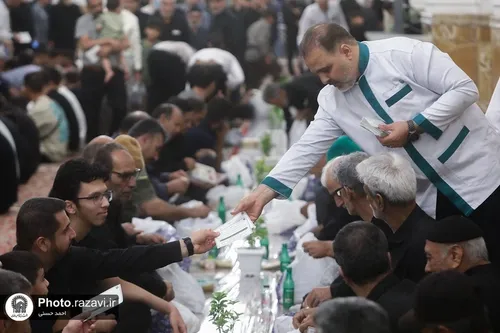
Faghih Esfandiari described endowment as “the invisible infrastructure for experiencing pilgrimage,” adding: “A pilgrim entering the shrine may not think about the major expenses behind round-the-clock lighting, courtyard cleanliness, carpeting, libraries, museums, and medical centers, but in reality, a significant part of these services relies on endowments”.
He stressed: “For centuries, Astan Qods Razavi has gathered a vast network of properties, agricultural lands, and production units that are run under modern economic principles. In this model, the goal is not profit maximization, but sustainability in service, meaning that endowed revenues are systematically allocated to enhancing services for both Iranian and international pilgrims”.
Faghih Esfandiari maintained that the welfare and cultural facilities of the shrine are not funded by government budgets, noting: “Religious response centers, Quranic spaces, special halls for multilingual lectures, affordable accommodation, and dining centers are all supported by endowments whose founders intended “sustainable service.”
He concluded that Imam Reza Shrine is not merely a place for individual rituals, but “a service institution fueled by the continuous flow of endowments.”
Keywords: , ,
Related News
Post comments
- Editor's suggestion
- Latest news
IRIU, Ministry of Foreign Affairs forge scientific diplomacy ties
Future diplomats tour Imam Reza Shrine
Iraqi students visit Imam Reza Shrine
Razavi University, al-Mustafa International University launch joint cooperation center
Malek Museum unveils exhibition on devotion to Prophet Muhammad
Khorasan Razavi MPs support AQR development plans for Imam Reza Shrine
AQR research deputies strengthen international synergy
Darvazeh Bathhouse reflects Safavid-era history in Mashhad: Expert
Sunni influencer recalls shattered stereotypes during visit to Imam Reza Shrine
International Islamic Unity Conference continues strategic vision of Iran’s leaders
Iran is a unique model of peaceful coexistence: Muslim activist
Imam Reza Shrine plays pivotal role in Islamic unity: Bahraini scholar
40th Islamic Unity Conference concludes in Mashhad
40th Islamic Unity Conference concludes in Mashhad
Imam Reza Shrine adorned for birth anniv. of Prophet, Imam Sadiq
Arab pilgrims honor birth anniv. of Prophet, Imam Sadiq
Afghan collector donates rare stamps to AQR
Imam Reza Intl. University, Razavi University expand international cooperation
AQR Custodian meets martyr Larijani's family members
Intl. landscape design and memorial space competition for Shajareh Tayyebeh School martyrs' cemetery
Dust-cleaning ceremony held at Imam Reza Shrine
Campaigns