Elite capacity tapped for development of AQR scientific diplomacy
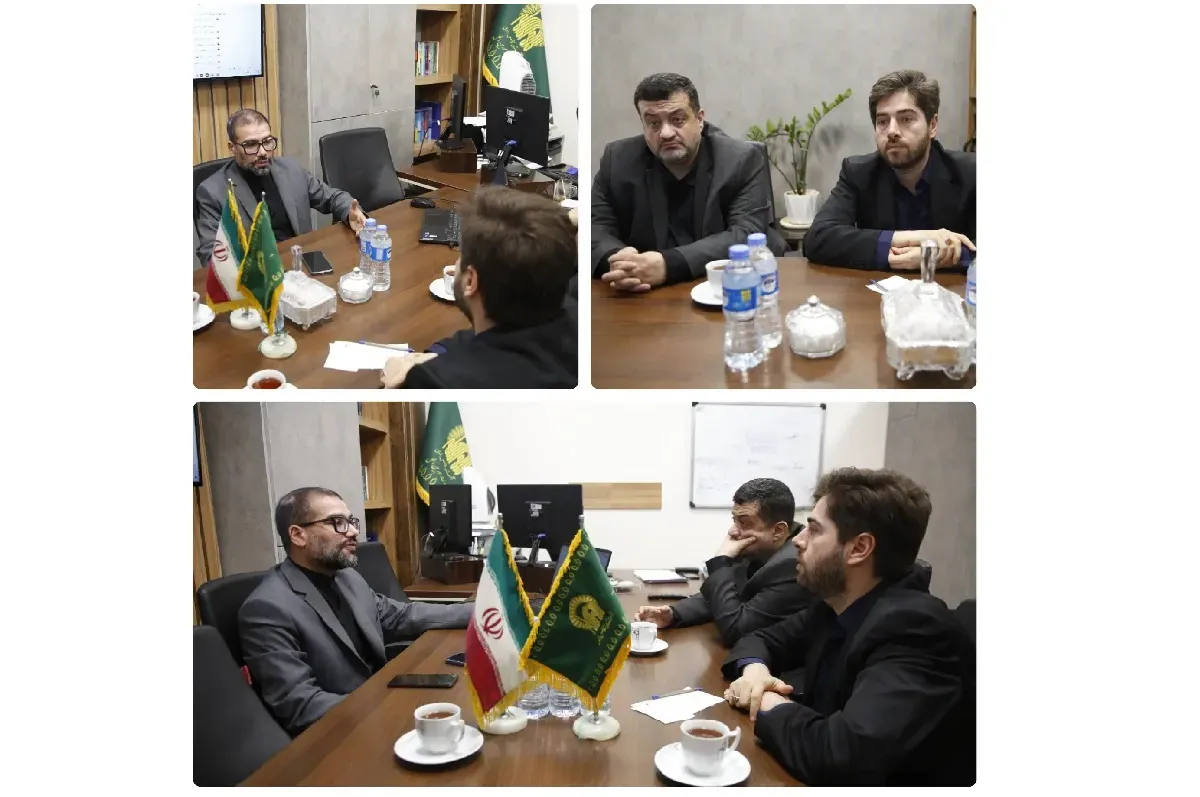
Officials of Astan Qods Razavi discussed ways to utilize a network of academic elites and scientific volunteers to expand international cooperation and strengthen the institution’s scientific diplomacy.
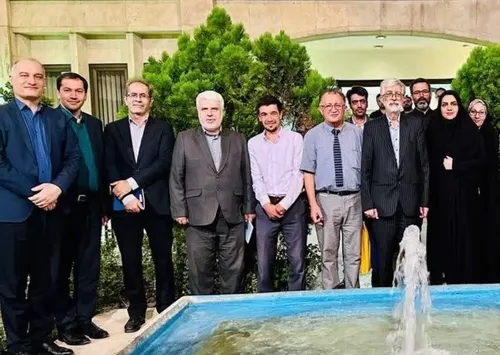
A joint meeting between the Secretariat of Scientific Service of the Scientific and Cultural Organization of Astan Qods Razavi (AQR) and the International Affairs Department of the institution was held to explore new avenues for scientific cooperation and international engagement.
Participants reviewed existing capacities for establishing a research and advisory body to support AQR’s international initiatives. They emphasized the importance of strengthening cooperation between the Secretariat of Scientific Service and the International Affairs Department in order to benefit from the expertise of academic elites, university professors, and researchers.
Speaking in the meeting, Mehdi Ganji, a member of the Secretariat of Scientific Service, highlighted the extensive network of scientific volunteers associated with the institution.
He stated: "Through its wide connections with university professors and researchers, the Secretariat of Scientific Service can function as an intellectual and advisory arm alongside the International Affairs Department and help address many of its research needs."
Ganji noted that the network of scientific volunteers provides valuable capacity for strategic studies, program design, and the formation of expert think tanks.
He also referred to the use of research platform NAN (Ideas and Needs Management System) as a mechanism for implementing research projects and facilitating collaboration with scholars.
Elsewhere, Dr. Kahlaki, planning director at the International Affairs Department of AQR, stressed the importance of utilizing the academic potential of the Scientific and Cultural Organization.
He explained: “The department can benefit from the intellectual contributions of scientific volunteers in both immediate consultative needs and long-term academic initiatives”.
He further pointed to the “Scientific Dialogue from the Sanctuary of a Scholar,” known as the “Discourse Eight” program, as a platform for scholarly exchanges with international institutions, including the Vatican, Al-Azhar, and universities around the world.
“Such interactions”, he maintained, “can contribute to strengthening AQR’s scientific and cultural diplomacy at the global level”.
Related News
Post comments
- Editor's suggestion
- Latest news
Imam Reza Shrine holds mourning ceremonies to mark martyrdom anniversary of Hazrat Fatima
University of Qom hosts meeting to review preparations for specialized session of Imam Reza International Congress
Razavi manuscript treasury keeps Quran attributed to Imam Hussein (AS)
AQR Custodian urges elite youth to link science with divine gratitude
Top elite students, top national exam scorers honored at Imam Reza Shrine
Top exam scorers and science Olympiad medalists meet AQR Custodian
Top national exam stars, academic elites visited Imam Reza Shrine
Iran and Iraq form a united front against aggression, Iraqi organizer says
Ceremony honors Hussaini Mukibs at Imam Reza Shrine
Love for Ahl al-Bayt is an unbreakable bond between Iranian and Iraqi nations: Custodian
Imam Reza Shrine hosts ceremony honoring Iraqi Mukib operators
Iraqi Mukib operators voice brotherhood at Imam Reza Shrine
Festive atmosphere engulfs Imam Reza Shrine on Hazrat Zeinab’s birth anniversay
Imam Reza Shrine marks Hazrat Zeinab’s birth anniversary
Intl. architects unite to heal grief over Minab school martyrs
Requirements for Imam Reza International Congress assembly reviewed at Qom University
Engineering, maintenance, and restoration projects enhance pilgrim comfort at Imam Reza Shrine
Two Razavi servants from Markazi Province named among the world’s top 2% of scientists
Imam Reza Shrine’s English-speaking mourning group promotes the teachings of the Ahl al-Bayt (AS)
Tribes play key role in protecting national security, territorial integrity, economy: AQR Custodian
Deputy minister of cultural heritage, tourism and handicrafts visits AQR Central Library
Campaigns