From Indian subcontinent to distant lands, devotees feel sense of kinship with Imam Reza
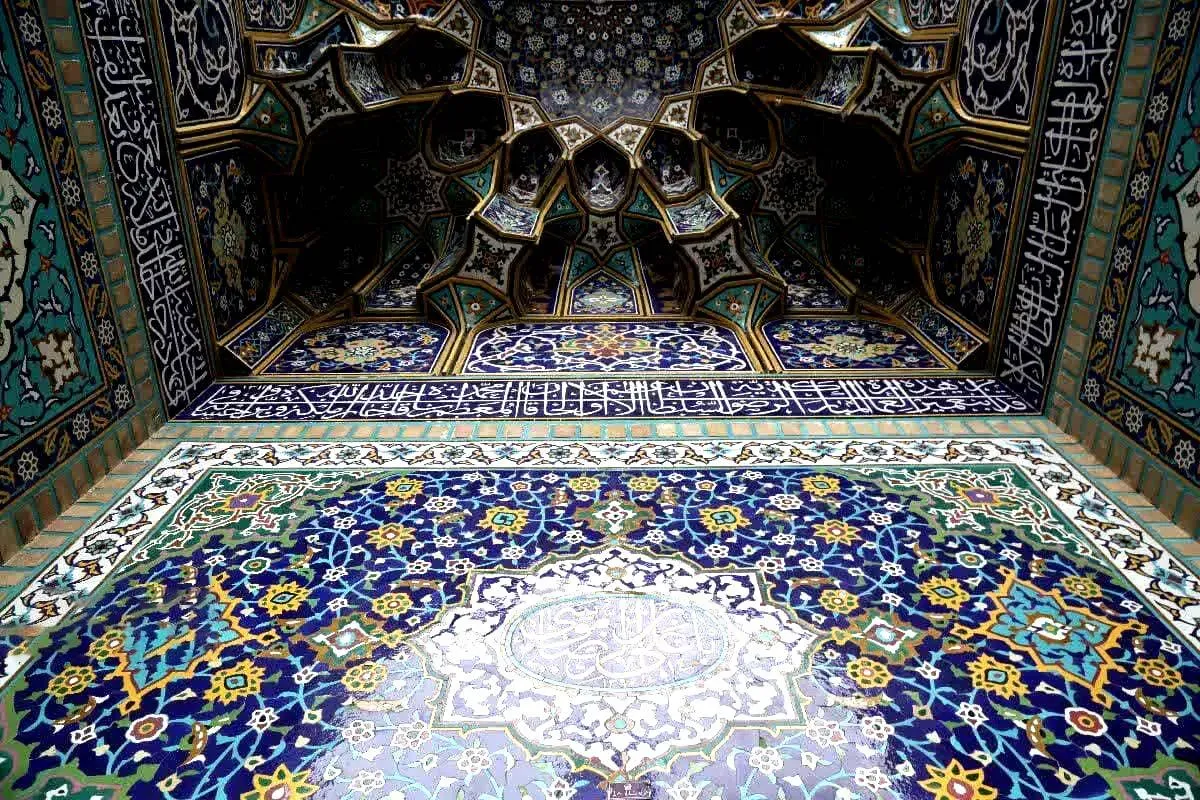
Alireza Ghazveh, prominent Iranian ritual poet, says Imam Reza (AS) is not only revered by Iranians, but people in other countries are lovers of the Eighth Imam (AS) as well.
Ghazveh said: “The status of Imam Reza (AS) in Iranian and Islamic mysticism is highly prominent. The personality of Imam Reza (AS) holds a significant place in Iranian and Islamic mysticism, as well as in the Indian subcontinent and Central Asian countries.”
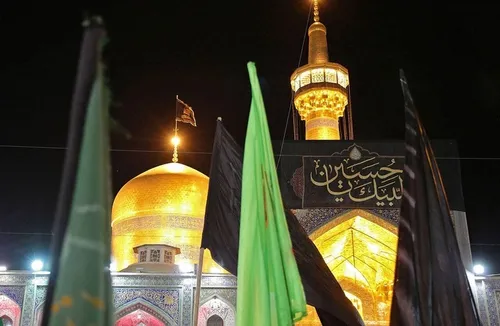
He added: “The devotion of Imam Reza (AS)’s followers in distant lands is particularly noteworthy. For example, in India, Tajikistan, and Pakistan, many people bear the surname ‘Razavi’ and consider themselves descendants of this lineage, feeling a sense of kinship and closeness to Imam Reza (AS). Many elders in these regions, both Sunnis and Shias, even left wills requesting that, after their death, their bodies be taken to the shrine of Imam Reza (AS) and buried there. I know many Indians whose families came to Mashhad for pilgrimage and told us that their ancestors are buried right here.”
Ghazveh further noted: “The mystical status of Imam Reza (AS) is also unique. Imam Reza (AS) himself was among the great figures of mysticism, and various mystical orders trace their spiritual lineage back to him.”
He also said: “Razavi poetry has grown tremendously. One of the important characteristics of Iranian poetry over the past 50 years, particularly poetry associated with the Revolution, has been the emergence and growth of two major currents: ritual poetry and resistance poetry. Ritual poetry, and Razavi poetry in particular, as well as other forms of ritual poetry, have experienced remarkable growth.”
Related News

Post comments
- Editor's suggestion
- Latest news
Iran and Iraq form a united front against aggression, Iraqi organizer says
Ceremony honors Hussaini Mukibs at Imam Reza Shrine
Love for Ahl al-Bayt is an unbreakable bond between Iranian and Iraqi nations: Custodian
Imam Reza Shrine hosts ceremony honoring Iraqi Mukib operators
Iraqi Mukib operators voice brotherhood at Imam Reza Shrine
Festive atmosphere engulfs Imam Reza Shrine on Hazrat Zeinab’s birth anniversay
Imam Reza Shrine marks Hazrat Zeinab’s birth anniversary
Intl. architects unite to heal grief over Minab school martyrs
Requirements for Imam Reza International Congress assembly reviewed at Qom University
Engineering, maintenance, and restoration projects enhance pilgrim comfort at Imam Reza Shrine
Two Razavi servants from Markazi Province named among the world’s top 2% of scientists
Imam Reza Shrine’s English-speaking mourning group promotes the teachings of the Ahl al-Bayt (AS)
Tribes play key role in protecting national security, territorial integrity, economy: AQR Custodian
Deputy minister of cultural heritage, tourism and handicrafts visits AQR Central Library
Decline of Takfiri movements indicates success in promoting Islamic unity
IRIU contributes to international publication on quantum security
Prayer promotion starts with worshipers’ conduct: Custodian
IRIU announces publication of international book on quantum security
AQR publishes Quran pages attributed to handwriting of Imam Hossein (AS)
Introductory “In’ash al-Aql” course concludes with head of AQR Quranic Center in attendance
AQR Custodian Offers Condolences on Passing of Grand Ayatollah Shobeiri Zanjani
Campaigns