40th Islamic Unity Conference concludes in Mashhad
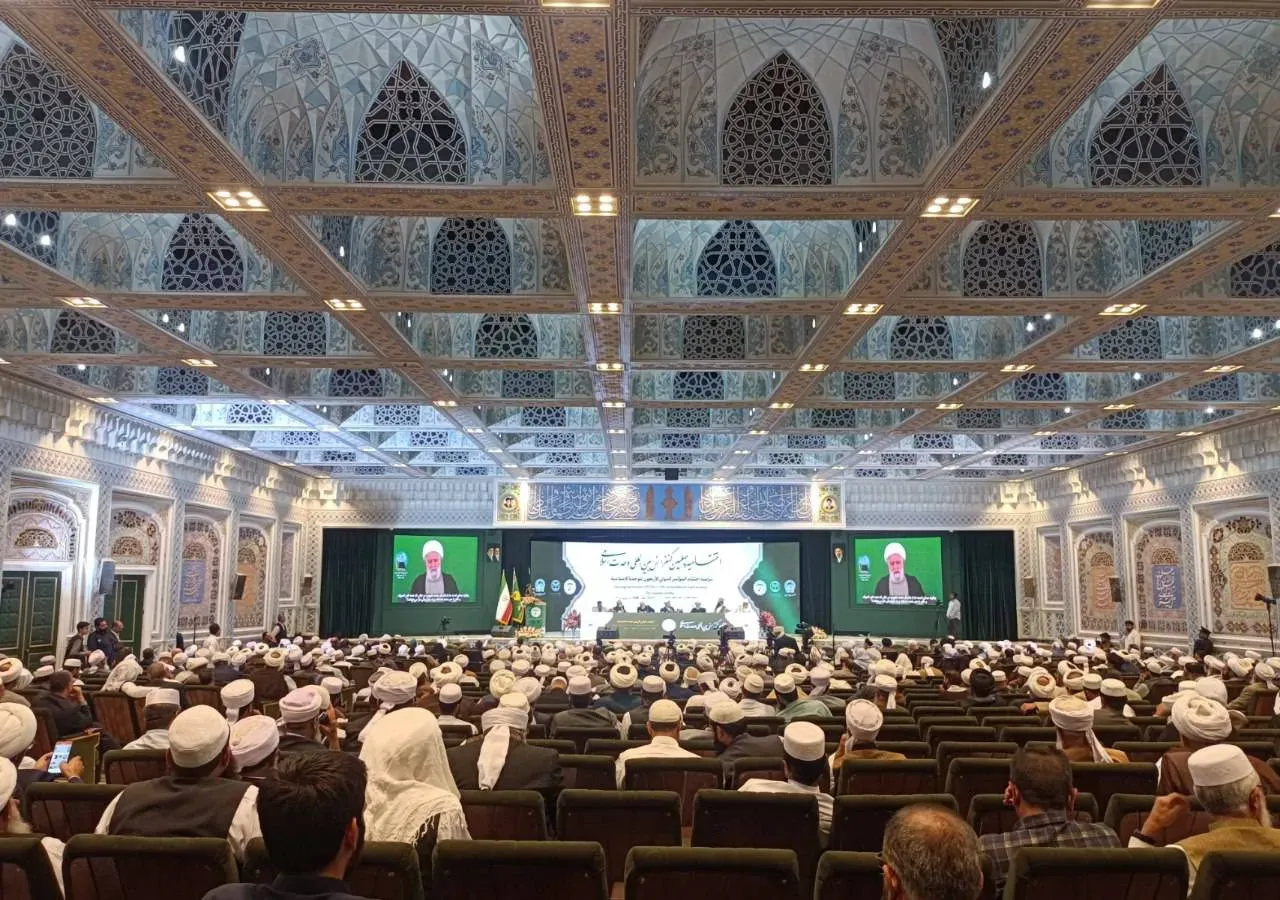
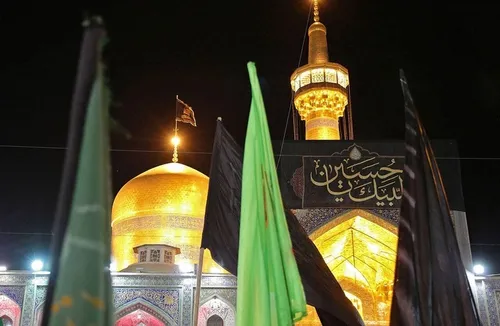
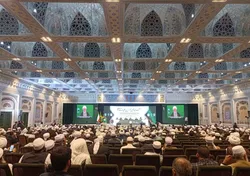
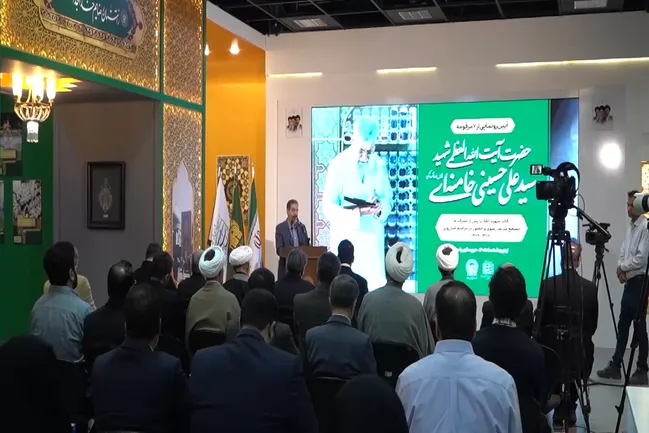
Scholars and dignitaries from nearly 40 countries gathered at the Imam Reza Shrine for the closing ceremony of the 40th International Islamic Unity Conference, emphasizing unity as a strategic Quranic imperative rather than merely a theoretical concept.
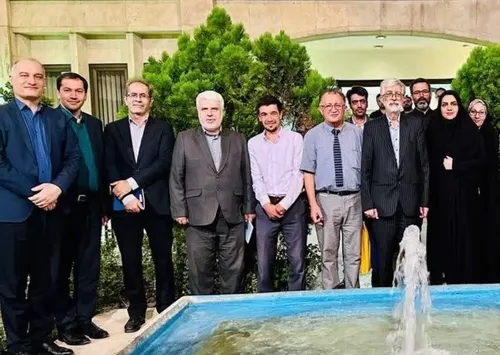
The closing ceremony of the 40th International Islamic Unity Conference was held at Ghadir Hall of Imam Reza Shrine, attended by Ayatollah Ahmad Marvi, the Custodian of Astan Qods Razavi (AQR), alongside prominent Shia and Sunni scholars and international guests.
The event featured a message from Leader of the Islamic Revolution Ayatollah Seyyed Mojtaba Khamenei, delivered by Ayatollah Mohsen Qomi, which described unity as a fundamental Quranic strategy essential to the dignity and strength of the Islamic Ummah.
The message warned that enemies of Islam actively exploit religious, ethnic, and political differences to weaken Muslim cohesion.
It specifically highlighted the plight of Palestine, stating: “A united Islamic Ummah could better defend the Palestinian people against the crimes of the occupiers.”
The Leader urged Islamic nations to recognize their true enemies—namely the United States and the Zionist regime—and to bolster cooperation in science, security, and economy to build a modern Islamic civilization.
Elsewhere, Dr. Hamid Shahriari, Secretary-General of the World Forum for Proximity of Islamic Schools of Thought, outlined a five-step model for translating Islamic unity from theory into practice, inspired by the legacy of the Martyred Leader. The five steps include conceptualization, organization, discourse-building, networking, and social mobilization.
He emphasized: “True unity is demonstrated through practical support for oppressed Muslims, particularly in Palestine and Lebanon”.
Contributing to the academic discourse, Dr. Hossein Simaei Sarraf, Minister of Science, Research, and Technology, emphasized that unity does not imply uniformity.
He noted: “Islamic history is defined by a culture of tolerance where diverse theological schools have long coexisted”.
Supporting this vision, Dr. Gholamhossein Mozaffari, Governor of Khorasan Razavi Province, proposed: “Mashhad should evolve into a global center for interfaith and inter-sectarian dialogue, utilizing its status as a major pilgrimage site to foster scholarly exchange”.
Also, international speakers provided diverse perspectives on the practical application of unity.
Sheikh Ali Al-Khatib, Deputy Head of the Supreme Islamic Shia Council of Lebanon, praised the Islamic Republic of Iran for its significant sacrifices in defending the unity of the Ummah and supporting the resistance against the US and Zionist hegemony.
From Afghanistan, Mawlawi Lutfullah Haqparast warned that political or personal interests must never be allowed to transform theological differences into tools of division.
Dr. Akram Keles, a former senior official from Turkey, highlighted Islam's ability to transcend racial and ethnic prejudices, noting that the faith provides a model of brotherhood that unites diverse cultures.
From Zambia, Sheikh Asadullah Mawale criticized Takfiri ideologies, noting that a proper understanding of the Quran is essential to avoiding sectarian deviation.
Finally, Zafar Najjar from South Africa called on Islamic nations to strengthen their collective power to withstand external pressures, placing their trust in divine strength over material forces.
Related News
Post comments
- Editor's suggestion
- Latest news
Iran and Iraq form a united front against aggression, Iraqi organizer says
Ceremony honors Hussaini Mukibs at Imam Reza Shrine
Love for Ahl al-Bayt is an unbreakable bond between Iranian and Iraqi nations: Custodian
Imam Reza Shrine hosts ceremony honoring Iraqi Mukib operators
Iraqi Mukib operators voice brotherhood at Imam Reza Shrine
Festive atmosphere engulfs Imam Reza Shrine on Hazrat Zeinab’s birth anniversay
Imam Reza Shrine marks Hazrat Zeinab’s birth anniversary
Intl. architects unite to heal grief over Minab school martyrs
Requirements for Imam Reza International Congress assembly reviewed at Qom University
Engineering, maintenance, and restoration projects enhance pilgrim comfort at Imam Reza Shrine
Two Razavi servants from Markazi Province named among the world’s top 2% of scientists
Imam Reza Shrine’s English-speaking mourning group promotes the teachings of the Ahl al-Bayt (AS)
Tribes play key role in protecting national security, territorial integrity, economy: AQR Custodian
Deputy minister of cultural heritage, tourism and handicrafts visits AQR Central Library
Decline of Takfiri movements indicates success in promoting Islamic unity
IRIU contributes to international publication on quantum security
Prayer promotion starts with worshipers’ conduct: Custodian
IRIU announces publication of international book on quantum security
AQR publishes Quran pages attributed to handwriting of Imam Hossein (AS)
Introductory “In’ash al-Aql” course concludes with head of AQR Quranic Center in attendance
AQR Custodian Offers Condolences on Passing of Grand Ayatollah Shobeiri Zanjani
Campaigns