Decline of Takfiri movements indicates success in promoting Islamic unity
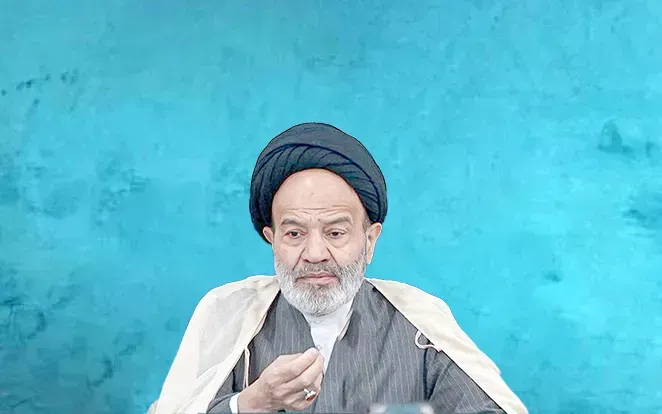
Hoj. Seyyed Abdolhasan Nawab, founder of the University of Religions and Denominations, says a decline in the influence of Takfiri movements is one of the objective criteria for assessing the success of efforts to promote proximity among Islamic schools of thought.
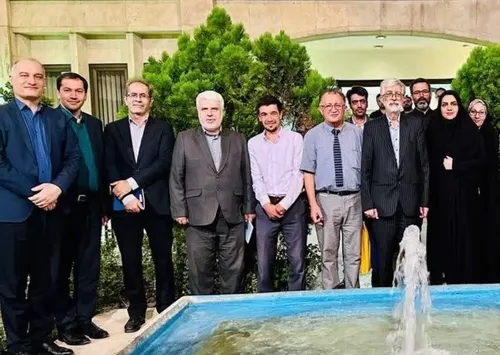
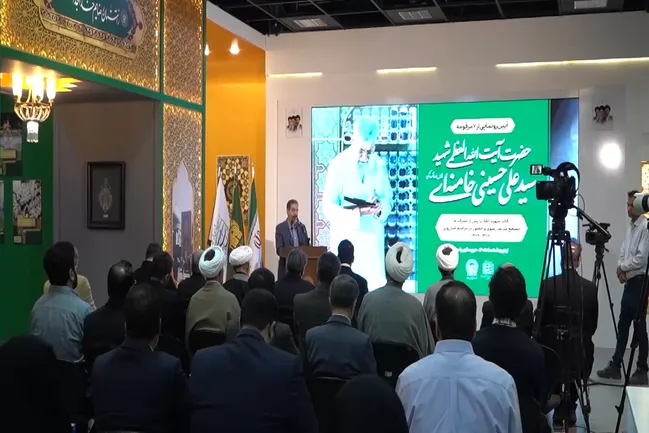
Speaking on the sidelines of a meeting titled “Dialogue and Proximity among Islamic Schools of Thought: Achievements and Challenges,” held at Astan Qods Razavi’s Islamic Research Foundation, Hoj. Seyyed Abdolhasan Nawab said that proximity becomes sustainable when it is grounded in epistemological and jurisprudential principles.
He noted that proximity and relations among Islamic schools of thought cannot be assessed purely in quantitative terms or measured by a simple numerical indicator. “To evaluate them, we must consider the problems and conflicts that could arise in Islamic society in the absence of proximity,” he said.
Referring to the historical background of efforts to promote proximity, Nawab said that various movements had emerged in different periods to bring Islamic schools of thought closer together and reduce conflicts, adding that these efforts had continued into the contemporary era.
Nawab emphasized that one indication of the success of proximity efforts was Muslims’ joint resistance to Takfiri movements. “In Iraq, Shia and Sunni Muslims stood together against ISIS, and a similar experience was seen in Syria,” he said.
He described proximity and takfir (excommunication from Islam of one Muslim by another) as two opposing currents, explaining that when proximity weakens, Takfiri movements have greater opportunities to emerge and exert influence. Conversely, stronger relations and greater convergence among Islamic schools of thought leave less room for takfir.
The founder of the University of Religions and Denominations added that the marginalization of Takfiri movements and their failure to advance their objectives could be considered among the indicators of the proximity movement’s success.
Nawab identified the lack of an epistemological foundation as one of the main challenges facing efforts to promote proximity. He said that discussions on the subject had often remained at the level of general calls for unity, political expediency, or the need to confront a common enemy, with few solutions grounded in the intellectual traditions of Islamic schools of thought.
He stressed that proximity among Islamic schools of thought could not rest solely on general principles, such as the desirability of unity or political necessity. Rather, it needed to be built on a solid, defensible foundation within the intellectual and jurisprudential traditions of the schools themselves.
Referring to the discussions at the meeting, Nawab said he had sought to identify such a foundation within Sunni thought, so that peaceful coexistence could be presented not as a recommendation imposed from outside, but as an approach rooted in the principles and capacities of that very jurisprudential and epistemological tradition.
He concluded that if proximity among Islamic schools of thought were established on such a foundation, it would no longer be merely a temporary or political necessity, but could become a sustainable framework for regulating relations among the followers of different Islamic schools of thought.
Related News
Post comments
- Editor's suggestion
- Latest news
Decline of Takfiri movements indicates success in promoting Islamic unity
IRIU contributes to international publication on quantum security
Prayer promotion starts with worshipers’ conduct: Custodian
IRIU announces publication of international book on quantum security
AQR publishes Quran pages attributed to handwriting of Imam Hossein (AS)
Introductory “In’ash al-Aql” course concludes with head of AQR Quranic Center in attendance
AQR Custodian Offers Condolences on Passing of Grand Ayatollah Shobeiri Zanjani
Evaluation shows Imam Reza Intl. University has capacity to enroll more international students
Transparency in fulfilling donors’ intentions boosts public donations to AQR
Flag-changing ceremony held at Hazrat Masumeh Shrine
Nation’s most modern student dormitory inaugurated in presence of AQR Custodian
Inscriptions honoring Imam Hassan Askari birth anniv. installed at Imam Reza Shrine
Islamic Revolution’s message transcends national borders
6th Imam Reza International Congress concludes
Intl. scholars explore Razavi justice, resistance against structures of domination
Researchers explore the Ahl al-Bayt’s (AS) distinctive perspectives on justice
Imam Reza Congress, vital platform for strengthening unity of Islamic Ummah
African thinker highlights inseparable link between Razavi teachings, governance model of Martyred Leader
Martyred Leader’s martyrdom resonates across religious boundaries in Latin America
Imam Reza Shrine remains a focal point of convergence for nations, religions
Human rights defined through Imam Reza’s teachings, human dignity: Scholar
Campaigns