Foreign pilgrims’ donations strengthen their bounds with holy shrine

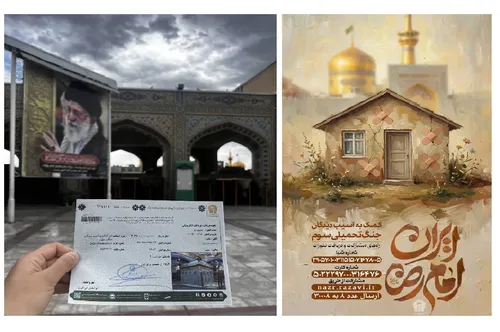
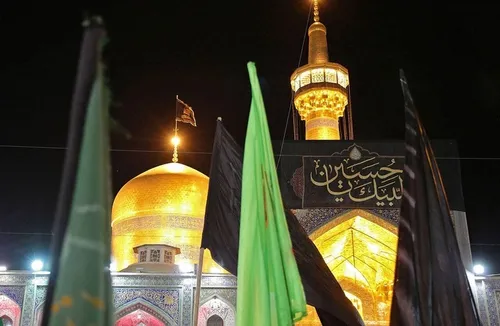
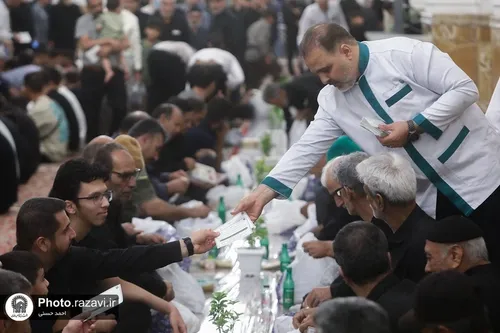
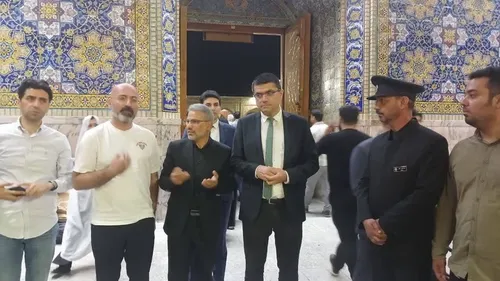
Participation of foreign pilgrims in endowments and donations of Imam Reza Shrine has strengthened their bounds with the shrine, says Hoj. Mostafa Faqih Esfandiari, Astan Qods Razavi’s deputy for international affairs, adding, the feeling of contribution is the beating heart of cultural diplomacy in the Islamic world.
Hoj. Esfandiari says Imam Reza Shrine is not managed by feelings and devotion only; rather, it is managed by a developed system based on endowments and donations which cover heavy expenses of the complex in terms of space development and different services.
“The management system in Imam Reza Shrine employs dedication and donation in the form of transparent financial, legal and cultural mechanisms,” he said, adding, “The result of this has changed donation to the spine of the shrine and a foundation for civilization-making plans of this holy site”.
Hoj. Faqih Esfandiari went on to say: “The main goal behind management of endowments and donations is paving the way for realization of sustainable service rendering; meaning that endowment-based incomes are spent on promotion of services rather than being accumulated”.
AQR’s deputy for international affairs noted: “An important portion of facilities that both Iranian and international pilgrims receive in the holy shrine is supplied from this endowment networks. For instance, specialized libraries, Quran interpretation centers, Quranic circles, and special services for multilingual ceremonies are all based on this endowment-based system which facilitates easy pilgrimage of visitors through providing permanent sustainable services”.
According to Hoj. Esfandiari, Imam Reza Shrine services create a context for participation of pilgrims from different nationalities and ethnicities in a joint and transnational movement. In fact, one of the most important cultural and social achievements of the holy shrine has been changing a pilgrim into a partner. Conducting this, nationality, language, and ethnicity are all secondary issues and what is important first is belonging to the shrine and the Imam (AS).
He continued: “A network has been formed in which Afghan, Pakistani, Iraqi, Lebanese, Azerbaijani, Turkish, African and European pilgrims are placed next to each other in a common service project. This management style allows for long-term planning for cultural, scientific and welfare services. This also upgrade the emotional bonding of pilgrims, especially international ones, from a level of momentary feeling to a level of sustainable participation”.
Esfandiari added: “This system of endowments and donations can transform the complex from a local shrine to a cultural center and a cultural diplomacy hub for the world. It is a center whose heart beats in Mashhad, but its influence is heard in the hearts of millions of Iranian and international pilgrims all over the world”.
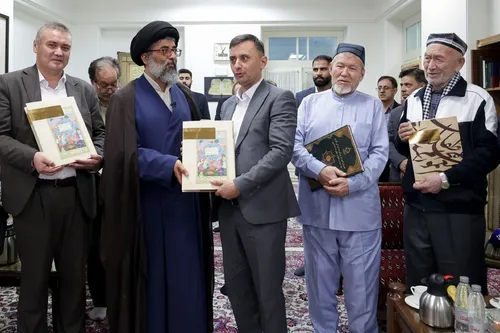
He noted that continuous holding of programs becomes difficult without a sustainable development of endowments. “Endowments and donations, devoted to cultural and scientific works, allow more flexibility and development of plans such as the translation of important works, releasing cheap booklets for foreign pilgrims, and holding specialized meetings for international students.
Related News



Post comments
- Editor's suggestion
- Latest news
Iran and Iraq form a united front against aggression, Iraqi organizer says
Ceremony honors Hussaini Mukibs at Imam Reza Shrine
Love for Ahl al-Bayt is an unbreakable bond between Iranian and Iraqi nations: Custodian
Imam Reza Shrine hosts ceremony honoring Iraqi Mukib operators
Iraqi Mukib operators voice brotherhood at Imam Reza Shrine
Festive atmosphere engulfs Imam Reza Shrine on Hazrat Zeinab’s birth anniversay
Imam Reza Shrine marks Hazrat Zeinab’s birth anniversary
Intl. architects unite to heal grief over Minab school martyrs
Requirements for Imam Reza International Congress assembly reviewed at Qom University
Engineering, maintenance, and restoration projects enhance pilgrim comfort at Imam Reza Shrine
Two Razavi servants from Markazi Province named among the world’s top 2% of scientists
Imam Reza Shrine’s English-speaking mourning group promotes the teachings of the Ahl al-Bayt (AS)
Tribes play key role in protecting national security, territorial integrity, economy: AQR Custodian
Deputy minister of cultural heritage, tourism and handicrafts visits AQR Central Library
Decline of Takfiri movements indicates success in promoting Islamic unity
IRIU contributes to international publication on quantum security
Prayer promotion starts with worshipers’ conduct: Custodian
IRIU announces publication of international book on quantum security
AQR publishes Quran pages attributed to handwriting of Imam Hossein (AS)
Introductory “In’ash al-Aql” course concludes with head of AQR Quranic Center in attendance
AQR Custodian Offers Condolences on Passing of Grand Ayatollah Shobeiri Zanjani
Campaigns