6th Imam Reza International Congress explores human rights, Razavi teachings
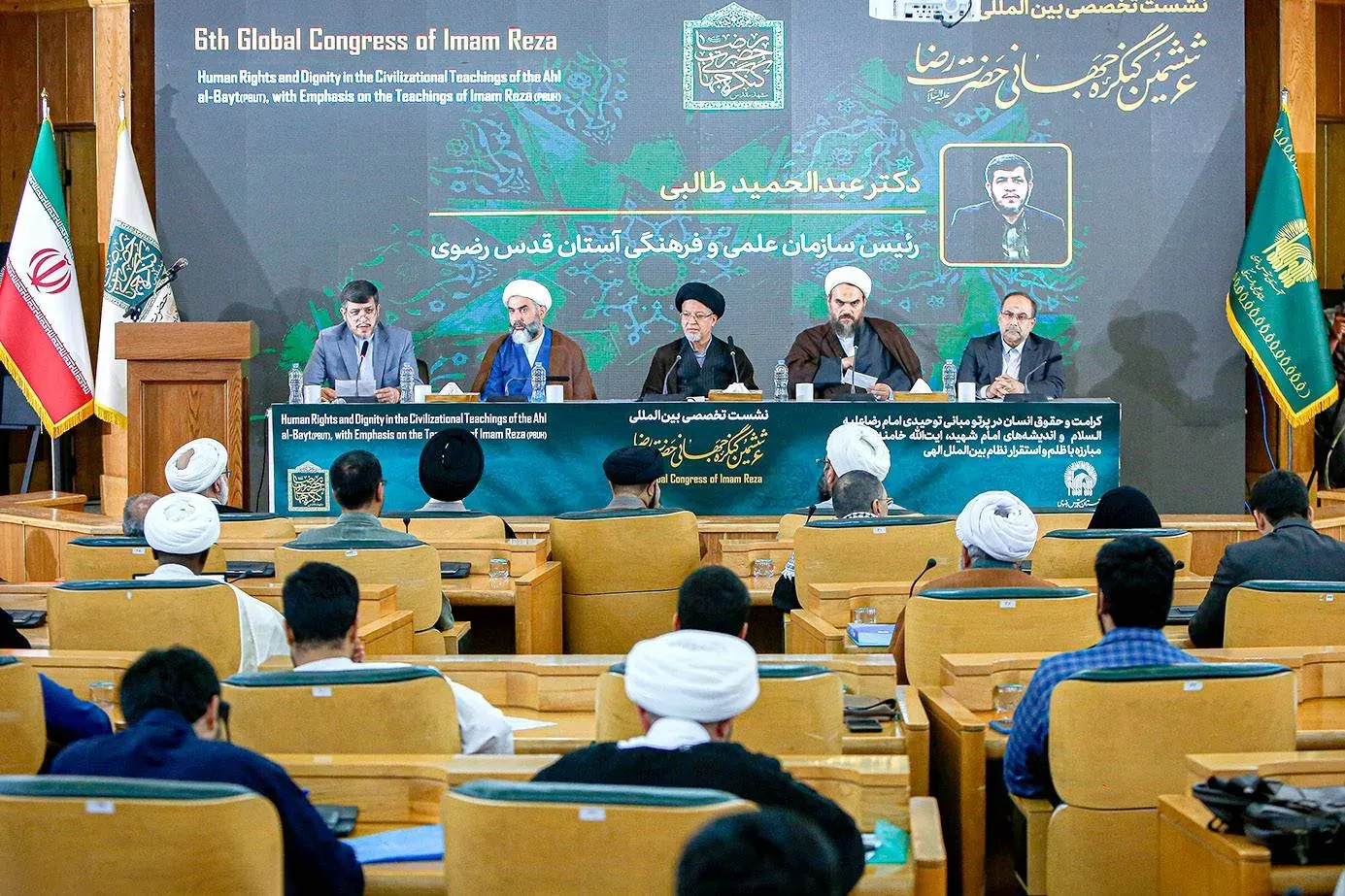
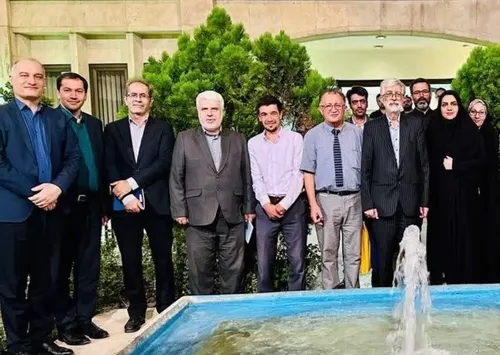
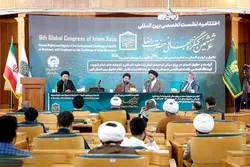
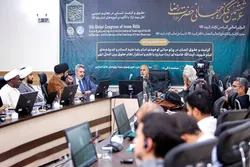
Scholars and researchers gathered in Mashhad, northeastern Iran, on September 16 for a specialized international session of the 6th Imam Reza International Congress, focusing on human dignity, divine justice, and the socio-political legacy of the martyred Imam.
Organized under the aegis of Astan Qods Razavi (AQR), the meeting explored the theme, “Human Dignity and Rights in the Light of Imam Reza’s Monotheistic Foundations and the Thoughts of the Martyred Leader, Ayatollah Seyyed Ali Khamenei.”
The event brought together scholars and experts to discuss resistance to global hegemony, the establishment of a divine international legal order, and the preservation of Islamic unity in the modern era.
Speaking at the event, Dr. Saeed-Reza Ameli, secretary of the congress, criticized the current global order.
He argued that the world is currently facing “structural injustice,” in which economic sanctions and restrictive financial systems are used as instruments of domination over nations.
Ameli also warned against emerging forms of control, particularly “algorithmic and cognitive domination,” which he said target human perception and ideology.
“We face a system in which oppressive attitudes, institutions, and behaviors are intertwined,” he said. “Countering this requires structural justice and international institutions that genuinely serve the people.”
Elsewhere, Dr. Abdolhamid Talebi, head of the AQR Scientific and Cultural Organization, emphasized the need for long-term and sustainable planning to globalize Razavi teachings.
“Introducing Imam Reza should not be limited to his devotional life, but must encompass his scientific, social, and civilizational dimensions,” he said.
Talebi noted that Imam Reza’s historical emphasis on rationality and dialogue provides a universal framework for addressing contemporary challenges and offers a way to connect with diverse audiences beyond traditional boundaries.
Hojjatoleslam Mohammad-Javad Mohammadi Golpaygani also addressed the “culture of martyrdom.”
He outlined five essential components of this culture: faith, sincerity, knowledge, struggle, and perseverance, observing that “martyrdom is not an incidental or accidental event, but the culmination of a life shaped by these high human virtues.”
He highlighted what he described as the consistent embodiment of these traits by the martyred Leader throughout his life and during his leadership of the Islamic Revolution.
Dr. Mohammad-Reza Mokhber Dezfuli, president of the Academy of Sciences of the Islamic Republic of Iran, discussed the concept of “civilizational science.”
He noted that Iran has moved from merely consuming scientific knowledge to becoming a significant producer of it.
The next stage, he argued, is to develop “inspiring science” that serves human welfare and spiritual growth rather than power and domination.
He also highlighted the martyred Leader’s support for emerging technologies, including nanotechnology and stem-cell research, as contributing to national scientific advancement.
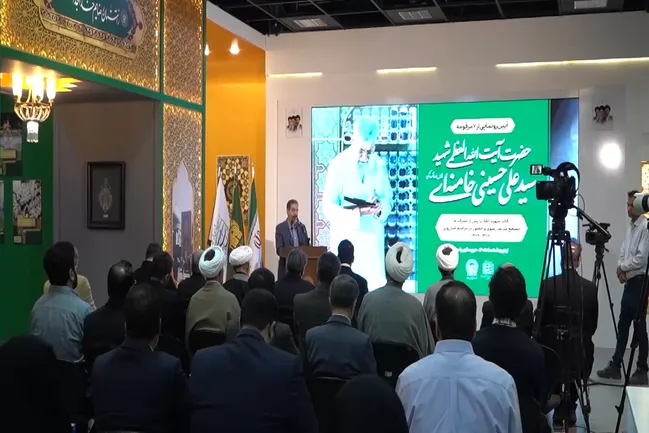
The meeting concluded with Hojjatoleslam Hamid Parsania introducing the two-volume collection Be’sat-e Khoon, which examines the social and historical reflections of the martyred Leader’s life.
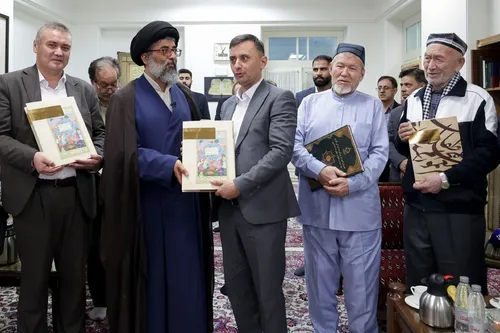
The event also featured the unveiling of four research works, including the first Portuguese translation of the book Danaye Khandan, described as the first specialized work on Razavi teachings to be published in Brazil.
Related News
Post comments
- Editor's suggestion
- Latest news
Islamic Revolution’s message transcends national borders
6th Imam Reza International Congress concludes
Intl. scholars explore Razavi justice, resistance against structures of domination
Researchers explore the Ahl al-Bayt’s (AS) distinctive perspectives on justice
Imam Reza Congress, vital platform for strengthening unity of Islamic Ummah
African thinker highlights inseparable link between Razavi teachings, governance model of Martyred Leader
Martyred Leader’s martyrdom resonates across religious boundaries in Latin America
Imam Reza Shrine remains a focal point of convergence for nations, religions
Human rights defined through Imam Reza’s teachings, human dignity: Scholar
Imam Reza’s teachings, “jihad of clarification” ensure invincibility of Resistance: Yemeni researcher
US researcher links Imam Reza’s foresight, Martyred Leader’s legacy to governance
International scholars examine human dignity and rights in light of Imam Reza’s teachings
Scholars examine formation of an independent and self-reliant resistance front against hegemonic powers
6th Imam Reza International Congress explores human rights, Razavi teachings
RUIS professor explains various dimensions of Abdul Azim Hassani’s lifestyle and teachings
Razavi shrine library, a treasury of Persian poets works
Imam Reza’s legal perspectives have gained global prominence
Global power redefined through Razavi teachings and reflected in a leadership model
IRIU, Ministry of Foreign Affairs forge scientific diplomacy ties
Future diplomats tour Imam Reza Shrine
Iraqi students visit Imam Reza Shrine
Campaigns