Intl. Fiqh system roundtable reviews capacities of no harm principle
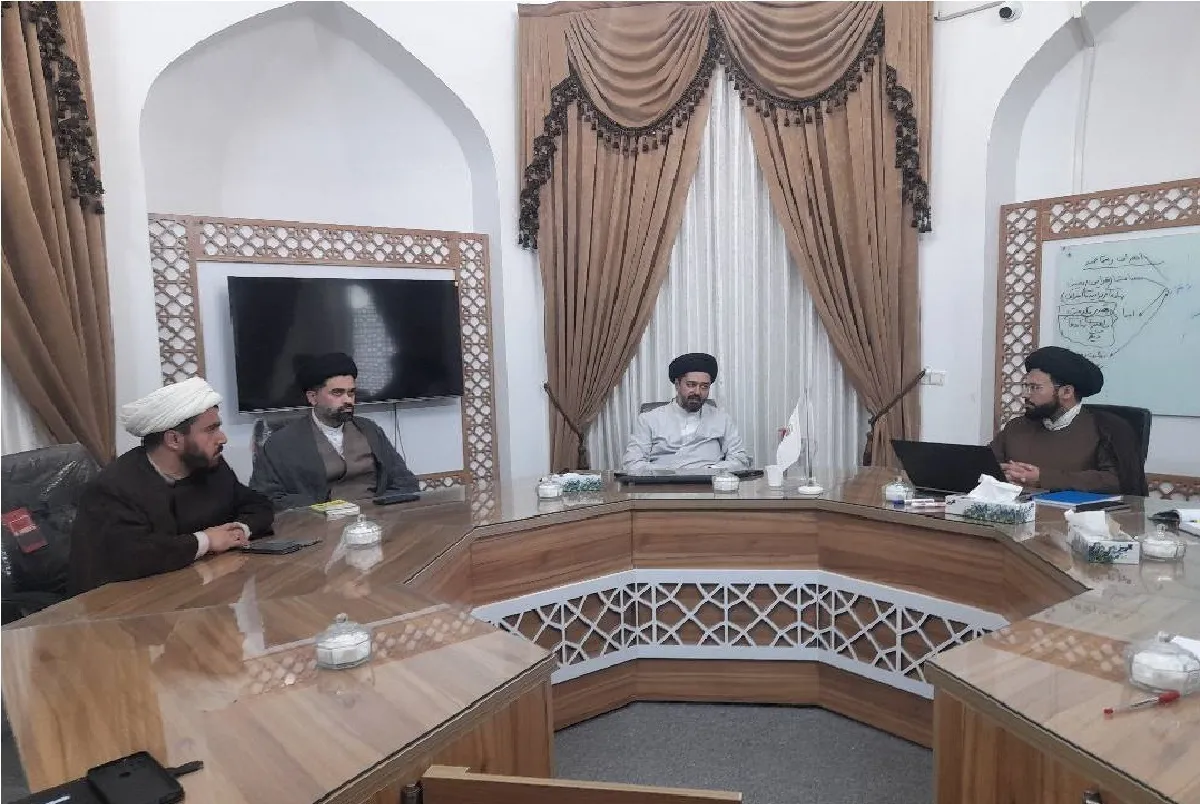
A roundtable on international Fiqh system reviewed jurisprudential and legal capacities of the no harm principle, and non‑harmful use principle in domestic and international spheres.
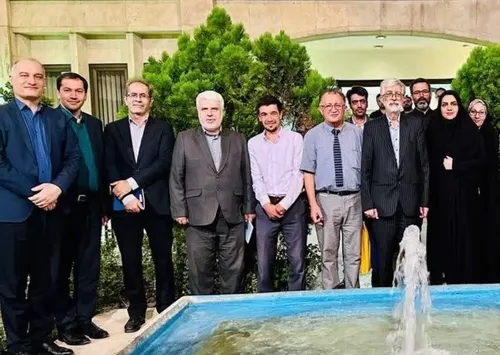
A roundtable titled “International Fiqh system” was held at the Feghahat School of Ahl al‑Bayt, with members of the ijtihad circle on international Fiqh in attendance.
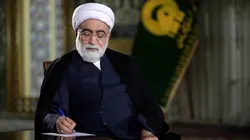
During the session, Hoj. Seyyed Alireza Hosseini Faqih, Hoj. Seyyed Esmail Deldar and Hoj. Seyyed Emad Saberi examined jurisprudential and legal dimensions of the ‘no harm principle (La Zarar)’ as well as the ‘principle of non‑harmful use’ in domestic and international contexts.
According to Hoj. Hosseini Faqih: “The narrative and jurisprudential foundations of the no harm principle (aka harm principle) are rooted in historical traditions including the well‑known case of Samra ibn Jundab”.
“This rule can serve as a basis for removing or invalidating rights that ultimately cause harm to others”, he stated.
He also discussed jurisprudential debates related to preemption rights and water rights, outlining different interpretations of the rule, including the negation of harmful rulings, the rejection of harm in legislation and the prohibition of causing harm.
He noted: “In the jurisprudential system, whenever a source of harm emerges, mechanisms exist to remove it".
Also speaking in the event, Hoj. Deldar described the no harm principle as a fundamental pillar for regulating social relations in Islamic jurisprudence.
He stressed: “Without attention to this rule, an essential balance between individual rights and public interests would disappear.”
Referring to examples such as preemption, rights of passage, water rights and other easement rights, he explained: “Islamic jurisprudence uses the principle to prevent legal rights from becoming instruments of pressure or harm among neighbors and partners”.
He also emphasized the need to reinterpret the rule within a systematic framework of “Fiqh of systems” in response to the increasing complexity of modern social and economic relations.
In the final part of the session, Hoj. Saberi examined the ‘principle of non‑harmful use’ in international environmental law.
Referring to major judicial cases including Trail Smelter, Corfu Channel and Lake Lanoux, he explained: “These precedents reinforced the responsibility of states to prevent environmental harm to other countries”.
Saberi concluded: “Territorial sovereignty of states is not absolute, and the use of domestic resources must not cause damage to other nations.”
Related News
Post comments
- Editor's suggestion
- Latest news
Islamic Revolution’s message transcends national borders
6th Imam Reza International Congress concludes
Intl. scholars explore Razavi justice, resistance against structures of domination
Researchers explore the Ahl al-Bayt’s (AS) distinctive perspectives on justice
Imam Reza Congress, vital platform for strengthening unity of Islamic Ummah
African thinker highlights inseparable link between Razavi teachings, governance model of Martyred Leader
Martyred Leader’s martyrdom resonates across religious boundaries in Latin America
Imam Reza Shrine remains a focal point of convergence for nations, religions
Human rights defined through Imam Reza’s teachings, human dignity: Scholar
Imam Reza’s teachings, “jihad of clarification” ensure invincibility of Resistance: Yemeni researcher
US researcher links Imam Reza’s foresight, Martyred Leader’s legacy to governance
International scholars examine human dignity and rights in light of Imam Reza’s teachings
Scholars examine formation of an independent and self-reliant resistance front against hegemonic powers
6th Imam Reza International Congress explores human rights, Razavi teachings
RUIS professor explains various dimensions of Abdul Azim Hassani’s lifestyle and teachings
Razavi shrine library, a treasury of Persian poets works
Imam Reza’s legal perspectives have gained global prominence
Global power redefined through Razavi teachings and reflected in a leadership model
IRIU, Ministry of Foreign Affairs forge scientific diplomacy ties
Future diplomats tour Imam Reza Shrine
Iraqi students visit Imam Reza Shrine
Campaigns