Scholars discuss Allameh Amini's legacy, scientific impact of his magnum opus Al-Ghadir
On the commemoration day of Allameh Amini, experts examine why his masterpiece, Al-Ghadir, remains a cornerstone of contemporary Islamic research.
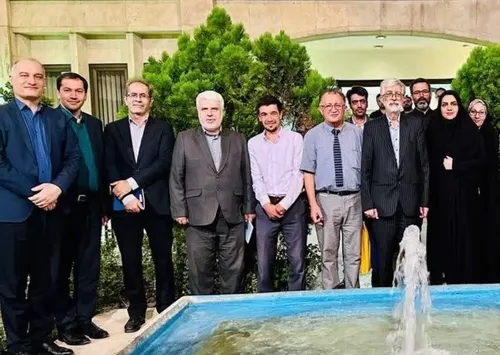
Scholars at the Islamic Research Foundation of Astan Qods Razavi (AQR) in Mashhad, northeast Iran, have highlighted the enduring scholarly significance of ‘Al-Ghadir’ as a premier academic reference for the Islamic world.
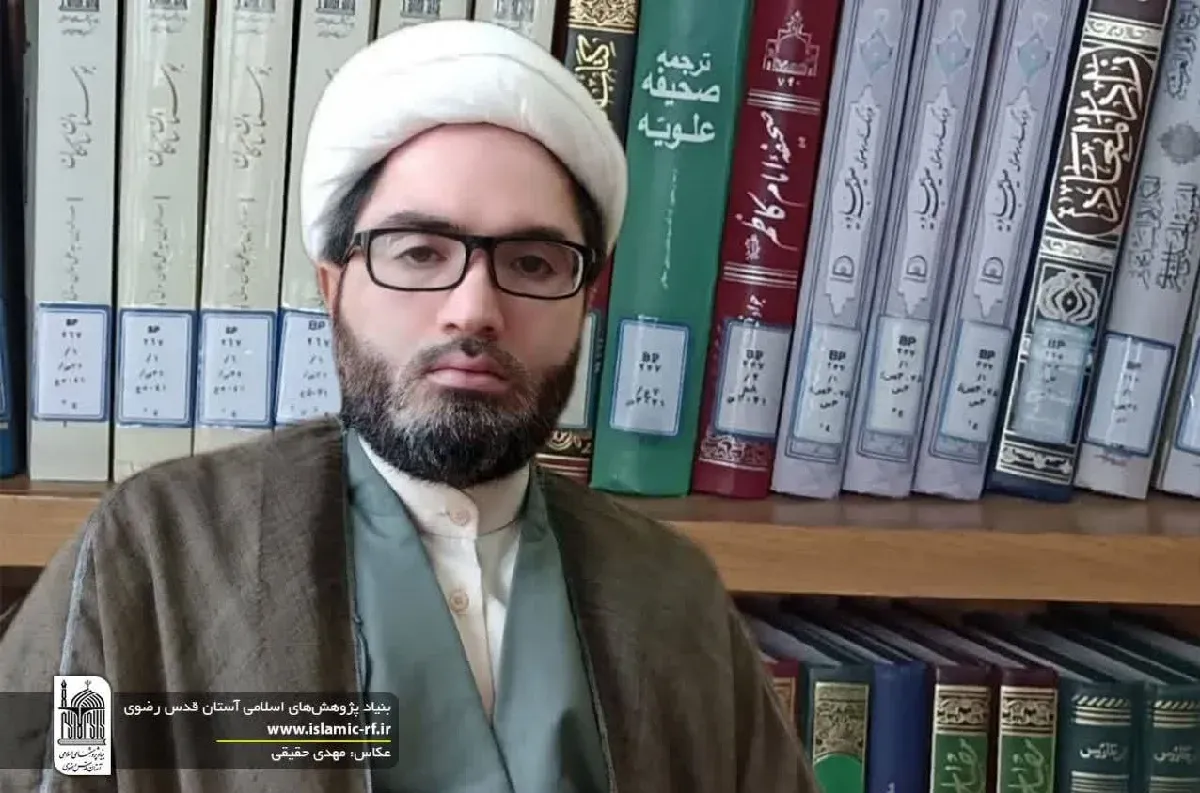
Hoj. Dr. Mohammad Arabshahi, a faculty member at the foundation, described the work as one of the most prominent contemporary research projects regarding the early Islamic era, the history of the Prophet's companions, and Imamate thought.
He explained: “The text transcends simple religious advocacy. Allameh Amini employed a rigorous methodology, personally examining thousands of manuscript and printed sources from major libraries across the Islamic world. This empirical approach transformed the book into a documented encyclopedia concerning the Ghadir event, establishing it as a repository of historical, literary, and theological evidence”.
A distinctive feature of the work is the extensive utilization of reliable Sunni sources alongside Shia references.
“This strategy demonstrates Allameh Amini’s commitment to providing arguments based on mutually accepted documentation. This approach shifts scientific dialogue away from polemical disputes toward documented research that scholars of all Islamic schools can evaluate, thereby fostering comparative studies”, Arabshahi noted.
According to Arabshahi, ‘Al-Ghadir’ marked a turning point in contemporary Shia studies. “By integrating historiography, bibliography, and literature, Amini presented a research model that aligns with academic standards. He moved the discourse from theological narrative to historical analysis”.
Concluding the discussion, Arabshahi emphasized that Allameh Amini’s scientific legacy teaches modern researchers the necessity of direct source verification and ethical fairness.
He stated: “True scientific approximation does not require ignoring doctrinal differences but rather discussing them within a framework of mutual respect, documented argumentation, and research ethics—a necessity for the Islamic world today”.
Related News

Post comments
- Editor's suggestion
- Latest news
Imam (AS) Central Pharmacy is MUMS designated pharmacy in Mashhad
IRIU announces programs for Martyred Leader’s funeral procession
AQR establishes extensive mukibs for funeral mourners
Imam Reza Shrine unveils new visual identity ahead of farewell ceremony
Holy shrine unveils four special murals for Martyred Leader's funeral ceremony
Roadside service centers prepare to host mourners of Martyred Leader
Karamat Razavi Foundation mobilizes service network for funeral ceremonies
Two lesser-known achievements of Iran in war with US and Israel
Scholars discuss Allameh Amini's legacy, scientific impact of his magnum opus Al-Ghadir
Razavi Cultural Foundation outlines plans for funeral procession of martyred Leader
AQR library service sends thousands of printed works to cultural centers
Elite capacity tapped for development of AQR scientific diplomacy
Hazaras of Afghanistan hold traditional mourning ceremony at the shrine
AQR holds international Quranic gathering for female pilgrims
Ashura mourning ceremony held at Imam Reza shrine
Imam Reza Shrine hosts mourning ceremony on Ashura eve
Imam Reza Shrine hosts Khotbeh Khani ceremony on eve of Ashura
Imam Reza Shrine hosts Tasua mourning ceremonies
Imam Reza Shrine hosts mourning ceremony on Tasua night
Glass workshop offers rare view of floral preparations at Imam Reza Shrine
Imam Reza Shrine holds specialized meeting on passing anniv. of Imam Khomeini
Campaigns